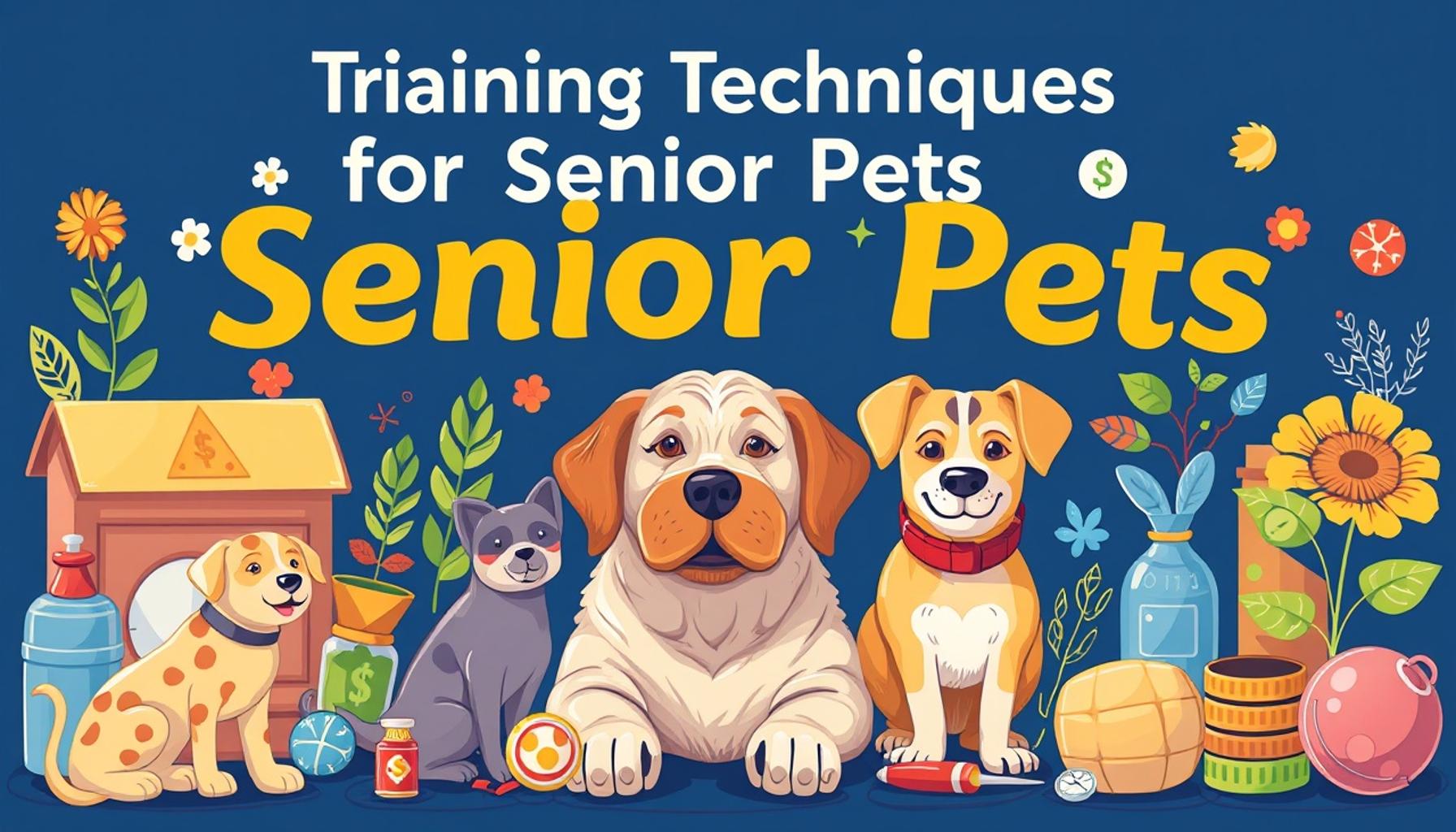
Training Techniques for Senior Pets: Adapting Methods for Aging Companions
Understanding the Unique Needs of Aging Pets
As our beloved pets reach their golden years, their physical and mental needs can shift significantly. Traditional training methods that may have worked during their younger days might not be as effective or suitable for senior animals. It is crucial to tailor your training approaches, not just to accommodate their changes in ability, but also to enhance their overall quality of life. By doing so, you can foster a stronger bond between you and your aging companions while ensuring they remain happy and engaged.
Key Considerations
- Physical limitations: Just like humans, as pets age, they can develop various physical issues such as arthritis or reduced mobility. For instance, a once sprightly Labrador may find it difficult to jump, making training sessions that require such movements unrealistic and potentially harmful. Instead, consider activities that involve gentle stretching or low-impact exercises to keep them active without putting undue stress on their joints.
- Attention span: Senior pets often have shorter attention spans. This change can make conventional, lengthy training sessions less effective. For example, while a younger dog might focus for 20 minutes on a trick, an older dog may only manage 5-10 minutes. It’s beneficial to make these sessions engaging by incorporating their favorite toys or brief playtime into the routines.
- Health issues: Chronic health conditions can play a significant role in a senior pet’s energy level and responsiveness. For instance, a pet with diabetes may experience fluctuations in energy and behavior. Understanding these aspects is essential to gauge how to plan your training efforts and daily activities, ensuring they align with your pet’s comfort and energy levels.
By adjusting your training methods, not only do you cater to your pet’s specific needs, but you also enrich your relationship. Gentle reinforcement techniques can create positive associations in a safe and supportive environment. This approach leads to a more rewarding learning experience for both you and your pet.
Effective Techniques to Explore
- Short and frequent sessions: Limit training intervals to short bursts, typically around 5-10 minutes. This helps to prevent exhaustion while keeping your pet engaged. You can schedule multiple mini-sessions throughout the day, allowing your pet to absorb the material at a more comfortable pace.
- Positive reinforcement: Celebrate every small achievement with treats or praise. This method not only encourages your pet but also strengthens your bond. For example, if your senior dog manages to sit or respond to a command, shower them with affection and a treat they love.
- Patience is key: Changes in cognition and health can mean that senior pets take longer to learn new commands. It is essential to remain patient and avoid showing frustration. Understanding that this is a gradual process can lead to a more harmonious training experience that supports their emotional wellbeing.
By taking a considerate and adaptable approach, you open up new avenues for training your aging pets. This not only ensures they remain happy and engaged but also contributes to a fulfilling companionship that lasts well into their senior years. Embracing their unique needs allows you to create lasting memories while keeping their spirits high.
DISCOVER MORE: Click here to learn about positive reinforcement in dog training
Effective Techniques to Explore
As you embark on the journey of training your senior pets, incorporating specific techniques tailored to their needs becomes essential. This not only promotes their mental and physical well-being but also enhances their responsiveness to your commands. Here are some effective training techniques that can help make the process enjoyable for both you and your aging companions.
- Short and frequent sessions: Limit training intervals to brief bursts, ideally around 5-10 minutes. Senior pets can tire easily, and long sessions may lead to frustration. By breaking training into multiple mini-sessions throughout the day, you provide a more manageable way for your pet to absorb new information. This method also allows for consistency without overwhelming them, which can be especially important for pets dealing with anxiety or cognitive decline.
- Positive reinforcement: Employing a positive reinforcement approach can work wonders. Celebrate every little victory with treats, praise, or their favorite toys. For instance, if your senior dog successfully responds to a command like “sit” or “stay,” shower them with affection and a small treat. This immediate recognition fosters an environment of encouragement, making your pet more likely to repeat the behavior in the future. You’ll find that even small gestures of appreciation can go a long way in building their confidence.
- Incorporate familiar routines: Implement training within the context of their daily routines. If your pet is accustomed to certain activities, such as meal times or walks, use these familiar contexts to introduce new commands or tricks. For example, practice the “sit” command before meals, or “stay” while you prepare their food. This integration allows training to feel like a natural extension of their day rather than an added task, making it more likely for them to engage.
- Patience is key: Remember that changes in cognition and health may cause senior pets to take longer to grasp new commands or tricks. It is vital to approach these moments with patience and understanding. Rapidly changing expectations can lead to stress and hinder the training process. Instead, recognize that learning may be a gradual journey and support your pet with kindness, helping them thrive without the pressure of performance.
- Use of visual cues: Since some senior pets may experience diminished hearing, incorporating visual cues or hand signals can be incredibly beneficial. Training can involve gestures like raising your hand for “sit” or pointing for “come.” This strategy not only compensates for hearing loss but also caters to your pet’s ability to learn through visual stimuli, enhancing communication between you two.
As you explore these techniques, keep in mind that every pet is unique. Tailor your training sessions to your pet’s specific needs and preferences, adjusting methods as necessary. By adapting training to the unique characteristics of your aging companions, you can ensure that the experience remains positive and fulfilling. In doing so, you not only help maintain their mental sharpness and physical engagement but also strengthen the bond that you share, making their senior years vibrant and joyous.
Training senior pets requires a unique approach tailored to their altered physical capabilities and cognitive functions. It’s essential to understand that as pets age, they may develop health issues such as arthritis or diminished eyesight, which can affect their ability to engage in traditional training methods. Adapting training techniques accordingly can lead to a more effective and enjoyable experience for both the pet and the owner. One of the most effective methods for motivating senior pets is the use of positive reinforcement. This technique encourages learning by rewarding desired behaviors, rather than punishing undesirable ones. Treats, praise, or affectionate petting can motivate older animals, reinforcing their learning without causing unnecessary stress.
Moreover, it is crucial to keep sessions brief. Senior pets may struggle with prolonged focus or physical stamina, so short, frequent training sessions—typically lasting around 5 to 10 minutes—can be more beneficial. Incorporating gentle exercises or incorporating stimuli like soft toys may help keep them engaged and even enhance their learning experiences. Furthermore, maintaining consistency is vital when teaching commands. Clear cues and signals should be used consistently to help alleviate confusion, which can arise due to cognitive decline in very old pets.
| Training Method | Benefits |
|---|---|
| Positive Reinforcement | Encourages learning and builds trust. |
| Short Training Sessions | Prevents fatigue and maintains focus. |
| Consistent Cues | Reduces confusion and enhances learning. |
Incorporating these specialized training techniques allows owners to nurture their aging companions’ learning potential, leading to a more fulfilling and connected relationship. Understanding each pet’s unique needs and abilities will ensure that the training process is both effective and enjoyable, making a significant difference in their quality of life.
DIVE DEEPER: Click here to learn more about positive reinforcement in dog training
Beyond Basic Commands: Enriching Your Senior Pet’s Training Experience
While mastering basic commands is a great starting point, diving deeper into more complex activities can significantly enhance your senior pet’s mental stimulation and physical engagement. By incorporating variety and creativity into training sessions, you can foster an exciting learning environment that keeps their senses sharp and their spirits high.
- Memory games: Engage your senior pet’s cognitive abilities through memory games. These can be simple yet effective, such as hiding treats under cups or using puzzle toys designed specifically for seniors. The challenge of searching for hidden rewards not only provides mental stimulation but also encourages problem-solving skills. Regularly incorporating these games into your pet’s routine can help slow cognitive decline and keep their mind agile.
- Light agility training: Consider introducing light agility work tailored to your senior pet’s physical abilities. This could include weaving through cones, stepping over low obstacles, or walking on a balance beam. Ensure that the equipment is designed for easy access, and always monitor your pet for any signs of discomfort. Light agility promotes physical fitness while entertaining them, providing an opportunity to bond over fun activities that still challenge their bodies without putting undue strain on their joints.
- Socialization opportunities: Training can also be a fantastic time for socialization. Arrange controlled playdates with familiar pets or gentle strolls in pet-friendly parks where your senior companion can gradually meet new friends. Encourage them to interact with social pets, allowing your senior pet to benefit from the emotional boost that comes from this kind of bonding. This interaction helps maintain a positive demeanor while giving them fresh experiences to learn from.
- Teaching fun tricks: Experiment with teaching unique or amusing tricks that cater to your pet’s physical limitations, such as “shake hands” or “turn around.” Choose tricks that will be easy for them to perform without strain. Using treats and love as rewards increases their motivation, while the sense of achievement can boost their confidence. Keep in mind that mastering something new can be a fantastic way to enrich their day and provide a sense of purpose.
- Incorporate scent work: Older pets have a keen sense of smell that can be utilized in scent work exercises. Simple activities like hiding treats around the house or training them to locate specific items (like a favorite toy) can engage their sense of smell while providing an excellent workout for their minds. Scent work also nurtures their natural instincts and adds an element of fun to their routine.
As you explore these advanced techniques, remember that your senior companion has valuable life experience. Their intelligence and understanding may surprise you, and you can often adapt methods your pet has mastered in the past to cater to their current abilities. Recognizing and celebrating their unique skills will help keep the training experience enjoyable for both of you. Ultimately, these enriched interactions can transform routine training into treasured moments that contribute to their happiness and well-being as they age gracefully.
DIVE DEEPER: Click here to learn more
Conclusion: Nurturing the Bond Through Adapted Training
In conclusion, adapting training techniques for senior pets requires not only an understanding of their physical limitations but also a recognition of their rich emotional lives and cognitive capabilities. Engaging your aging companions with varied and creative approaches can foster a vibrant training atmosphere that keeps their minds sharp and bodies active. As they age, your pets may benefit immensely from activities like memory games, light agility training, socialization opportunities, trick training, and scent work.
It’s essential to ensure that the training methods you utilize remain considerate of your senior pet’s health and comfort, promoting a positive and stress-free environment. This not only helps in enhancing their skills but also strengthens the bond you share, enriching both of your lives in the process. Remember that every session can be an opportunity for connection and joy, rather than a mere routine to follow. Tailoring training to accommodate individual needs leads to better outcomes and can significantly improve their quality of life.
As you embark on this training journey with your senior pet, take the time to celebrate their progress, no matter how small. Each successful command or new trick learned contributes to their confidence and happiness. Moreover, it’s a chance for you to explore the unique personality of your aging companion. Ultimately, by choosing to adapt your training techniques thoughtfully, you are not only enhancing their well-being but also creating precious memories that will last a lifetime.

Linda Carter
Linda Carter is a writer and pet care specialist passionate about animal health, behavior, and well-being. With extensive experience helping pet owners make informed decisions, Linda shares practical advice on nutrition, daily care, training, and creating a safe, loving environment. Her goal is to provide clear guidance, useful tips, and accessible information that help readers better understand their pets and give them happier, healthier lives.