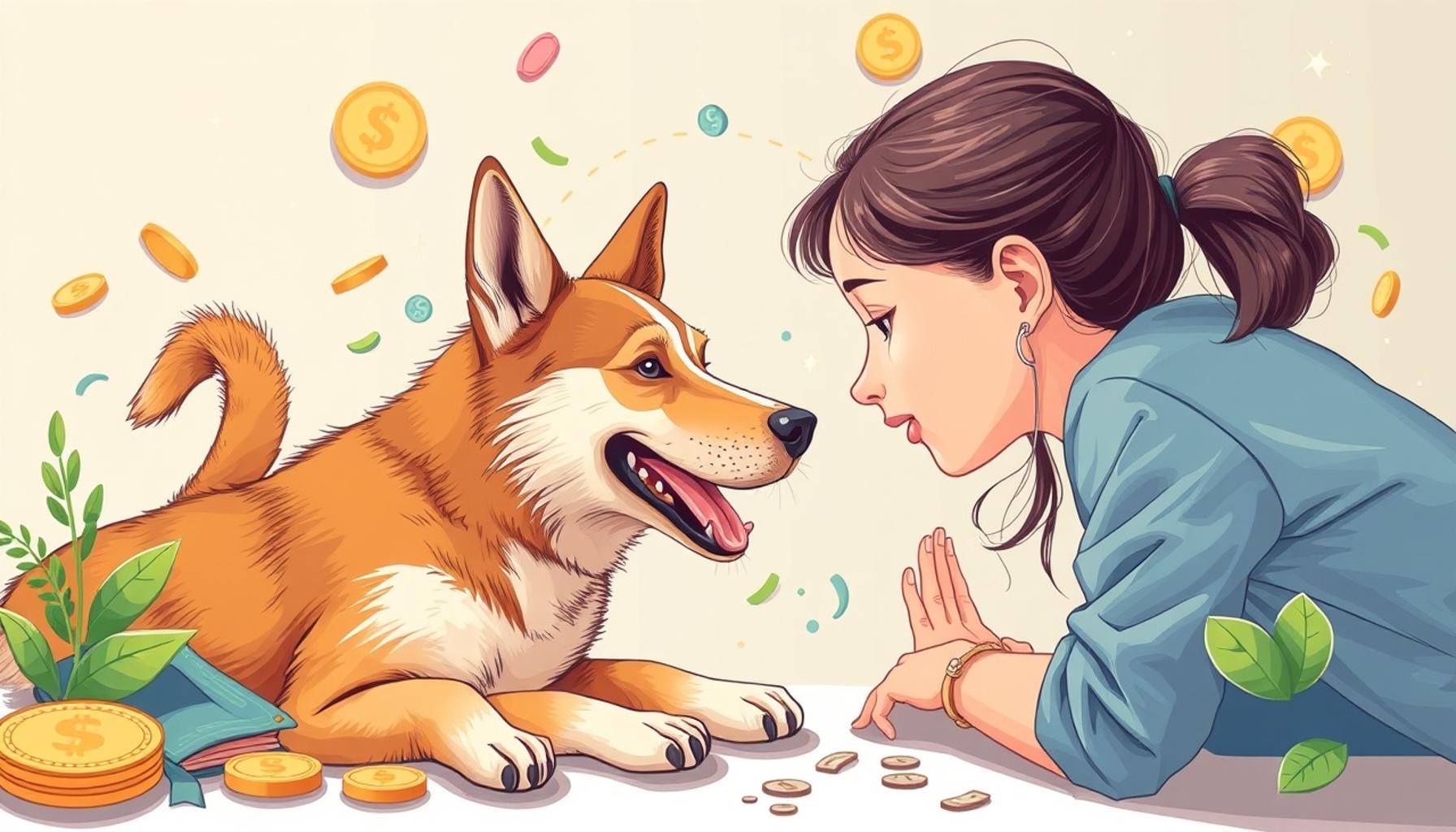
The Importance of Positive Reinforcement in Pet Behavior
Understanding Positive Reinforcement
In the realm of pet training, a compelling method often overlooked is positive reinforcement. This approach focuses on encouraging desired behaviors through rewards, making it a humane and effective way to shape pet behavior. Rather than employing punishment, positive reinforcement fosters trust and strengthens the bond between pet and owner.
What is Positive Reinforcement?
Positive reinforcement involves providing a stimulus after a desired behavior occurs, which increases the likelihood that the behavior will be repeated. This framework is not only central to training pets, but it also aligns with behavioral psychology principles, which highlight the effectiveness of rewarding behaviors rather than punishing them. Here are key components:
- Rewards: Rewards can take various forms, including treats, verbal praise, or playtime with a favorite toy. For example, offering your dog a small piece of their favorite treat immediately after they sit on command reinforces the action and creates a positive association.
- Consistency: The reinforcement should consistently follow the positive behavior to ensure understanding. If a pet receives praise only some of the time, they may become confused about what actions are desirable. For instance, if you only reward your cat for using the litter box occasionally, they may not grasp that it’s a preferred behavior.
- Timing: Immediate feedback is crucial to allow pets to connect their action with the reward. If there’s a delay, such as waiting until the end of a training session, pets may struggle to understand the cause-and-effect relationship between their behavior and the reward.
Benefits of Positive Reinforcement
Utilizing positive reinforcement can lead to a range of benefits, including:
- Enhanced Learning: Pets are more likely to engage and learn when they are rewarded consistently. Studies show that animals trained through positive methods retain learned behaviors longer compared to those subjected to punitive techniques.
- Reduced Fear: Avoiding negative consequences builds a more trusting relationship. Animals trained with positive reinforcement are generally happier and less anxious, which creates a more harmonious living environment.
- Increased Motivation: Pets become motivated to please their owners, leading to better behavior overall. For instance, a dog that learns to fetch a ball may be more willing to do so repeatedly if they know they will receive praise or a treat each time they bring it back.
Understanding and implementing positive reinforcement not only improves pet behavior but also enriches the pet-owner relationship. This method empowers owners to communicate effectively with their pets, resulting in a cooperative dynamic rather than a confrontational one. By choosing to employ positive strategies in training, owners cultivate a nurturing environment that benefits both pets and humans alike.
As the field of animal behavior continues to evolve, the embrace of positive reinforcement techniques stands as a testament to responsible pet ownership. Engaging in training practices that rely on rewards showcases an owner’s dedication to their pet’s well-being and overall happiness. For pet owners looking to explore this innovative training method further, various resources and training classes are available, making it an accessible option for anyone seeking to foster a loving, disciplined environment for their furry companions.
DISCOVER MORE: Click here for helpful training tips
Implementing Positive Reinforcement in Training
To successfully implement positive reinforcement in pet training, it is essential to establish a well-structured approach that caters to the unique personality and learning pace of each animal. Understanding your pet’s triggers, preferences, and motivators lays the groundwork for effective training. Here are some practical strategies you can utilize:
Identifying Motivators
Not all pets respond to the same type of rewards. For some, a crunchy treat may suffice, while others may yearn for a favorite ball or even a moment of undivided attention from their owner. Identifying what your pet finds rewarding is crucial to the success of positive reinforcement strategies. Some popular motivators include:
- Food Treats: Using high-value treats during training sessions can significantly boost engagement. Opt for smaller pieces that can be consumed quickly to maintain the momentum of the session.
- Verbal Praise: Positive verbal affirmations can uplift your pet’s spirit. A cheerful “good boy” or “well done” after performing a desired action reinforces their behavior.
- Playtime: For energetic pets, incorporating short play sessions as a reward can be highly motivating. A quick game of tug-of-war or fetch can make learning an enjoyable experience.
- Physical Affection: Some pets thrive on physical contact. Petting or hugging your furry friend after they display a good behavior can strengthen their association with positive actions.
Setting Achievable Goals
Another critical aspect of applying positive reinforcement effectively is setting achievable training goals. Breaking down complex behaviors into smaller, manageable steps is key to fostering success. For example, if you want your dog to learn how to stay, begin by rewarding them for simply sitting still for a few seconds. Progressively increase the duration required before they receive the reward. This build-up approach not only makes learning more digestible for your pet but also enhances their confidence as they notice their improvement.
Creating a Structured Environment
Establishing a structured training environment fosters focus and reduces distractions. Choose a quiet space where your pet can concentrate. Many owners find it beneficial to designate specific training times during the day when their pet is most alert. Consistency in this routine helps solidify the learning process. Additionally, keeping training sessions short—ideally between 5 to 10 minutes—can help maintain your pet’s attention and enthusiasm.
In conclusion, implementing positive reinforcement in pet training empowers pet owners to cultivate a well-behaved and happy companion. By effectively identifying motivators, setting achievable goals, and creating a positive training environment, both pets and owners can enjoy the journey of learning together. This practice not only enhances training success but also fosters a nurturing bond that lasts a lifetime. As you embark on this rewarding training path, consider the significant impact that positive reinforcement can have on your pet’s behavior and overall well-being.
The Importance of Positive Reinforcement in Pet Behavior
Continuing our exploration of positive reinforcement, it is essential to understand not only the methods but the deep-rooted impact this approach has in shaping a pet’s behavior. Contrary to correction-based training techniques, positive reinforcement emphasizes rewards for desirable behaviors, which helps create a stronger bond between the pet and owner. This relationship is crucial for fostering trust and promoting long-term compliance.
One notable aspect of positive reinforcement is its ability to enhance learning efficiency. Pets that receive rewards, whether they be treats, praise, or playtime, are more likely to repeat those behaviors. This method not only speeds up the learning process but also leads to higher retention rates. Owners can utilize various training tools like clickers or verbal affirmations to enhance the reward experience.
Another critical point is the role of motivation. Pets trained with positive reinforcement are generally more motivated to engage and respond to commands, reducing anxiety and frustration during training sessions. This motivation extends beyond training, as engaged pets are typically happier and healthier, leading to a lower incidence of behavior-related issues.
Moreover, positive reinforcement techniques can be tailored to suit individual pet personalities, making it a versatile choice for diverse pet populations. Harnessing this adaptability allows owners to manage specific behaviors effectively, ensuring that each training session remains fun and rewarding.
The effects of positive reinforcement can also extend to social settings, aiding pets in developing positive interactions with other animals and humans. Because these pets learn to associate social encounters with rewards, they are less likely to exhibit aggression or fear-based behaviors.
| Category | Advantages |
|---|---|
| Training Efficiency | Speeds up learning and enhances retention rates. |
| Increased Motivation | Transforms training into a fun and rewarding experience. |
| Customizable Approach | Allows for tailored strategies based on the pet’s personality. |
| Social Skills Development | Promotes positive interactions and reduces aggressive tendencies. |
In conclusion, while positive reinforcement represents a key component in pet training and behavior management, it invites pet owners to foster an enjoyable, trusting environment that underscores the significance of behavioral success and happiness. The empowering effects are not just beneficial for the pet but ultimately for pet owners too, establishing a harmonious life together.
DISCOVER MORE: Click here to learn how to build confidence in your introverted pets
The Role of Consistency and Timing
One of the cornerstones of effective positive reinforcement is the importance of consistency and timing during training sessions. Pets, like humans, thrive on predictability, and maintaining a steady approach helps them understand what behaviors are expected. When a pet performs a desired action, providing immediate reinforcement—whether it’s a treat, praise, or play—ensures that the connection between behavior and reward is clear. This practice is particularly crucial in preventing confusion during training.
Maintaining Consistency
Consistency doesn’t just refer to how often positive reinforcements are given; it also encompasses the behavior expectations set for the pet. For example, if a dog is rewarded for sitting quietly on the floor one day and scolded for the same behavior the next, they may become confused about what is acceptable. To promote clarity, every family member should apply the same training rules and rewards. This uniformity helps solidify learned behaviors and encourages pets to exhibit them more reliably.
The Effect of Timing
Timing in positive reinforcement cannot be overstated. The quicker the reward is provided after the desired action, the stronger the association your pet makes with that behavior. Research has shown that animals, including pets, have a short window—roughly 1 to 3 seconds—during which they link the action to the reward. Using the “mark and reward” technique, where a clicker or verbal cue is used to signal the desired behavior followed by the reward, has proven to be highly effective. Clicker training, for example, has gained popularity among pet owners in the United States as it allows for instantaneous feedback, creating a clear communication pathway between pet and owner.
Gradually Reducing Reinforcement
Once a pet has learned a particular behavior, gradually reducing the frequency of rewards encourages independence and helps develop consistent habits. However, it’s essential to maintain a balance; pets still need occasional positive reinforcement to keep them motivated and engaged. A strategy known as variable reinforcement is often recommended, where rewards are given at unpredictable intervals. This method not only keeps pets guessing but also leverages their natural instincts, akin to how gambling can create excitement due to unpredictability. This can lead to a more committed and eager learner during training.
The Impact of Environment
Another factor influencing the effectiveness of positive reinforcement is the training environment. Pets are often more responsive to positive reinforcement in familiar settings. For instance, training in quieter areas where the pet feels secure can enhance focus, whereas chaotic environments might lead to distractions that hinder progress. When setting up a training session, consider removing potential distractions—such as TV noise, other pets, or visits from unfamiliar people. A calm setting allows your pet to remain attentive to the task at hand, enhancing the likelihood of successful learning experiences.
Ultimately, the application of positive reinforcement plays a vital role in shaping a pet’s behavior. By emphasizing consistency and timing, pet owners can cultivate an atmosphere conducive to learning, characterized by trust and understanding. These methods not only improve training outcomes but significantly contribute to the emotional well-being of pets, paving the way for a harmonious relationship that enriches both their lives and that of their owners.
DISCOVER MORE: Click here for expert strategies
Conclusion: Fostering Trust and Connection
In summary, the application of positive reinforcement is essential for cultivating desirable behaviors in pets and fostering a strong bond between owners and their furry companions. By focusing on consistent training methods and timely rewards, pet owners can create a clear pathway for learning that effectively shapes a pet’s behavior. This approach not only enhances the clarity of communication but also promotes a sense of trust and security, which is crucial for a pet’s emotional well-being.
Moreover, establishing a supportive environment is key to maximizing the benefits of positive reinforcement. Training in familiar and calm settings allows pets to concentrate better, leading to more successful learning experiences. As pet owners adopt these strategies, they not only witness remarkable changes in their pets’ behaviors but also embark on a journey of mutual respect and understanding that reinforces their relationship.
As we continue to explore the significance of positive reinforcement in pet behavior, it becomes clear that this method holds the potential to transform the dynamics between pets and their owners. For anyone seeking a more engaging and effective approach to training, researching topics such as *clicker training*, *variable reinforcement schedules*, and *environmental influences* can provide insightful resources. Embracing positive reinforcement can create an enriching environment for both pets and owners, leading to a more fulfilling and joyful life together.

Linda Carter
Linda Carter is a writer and pet care specialist passionate about animal health, behavior, and well-being. With extensive experience helping pet owners make informed decisions, Linda shares practical advice on nutrition, daily care, training, and creating a safe, loving environment. Her goal is to provide clear guidance, useful tips, and accessible information that help readers better understand their pets and give them happier, healthier lives.