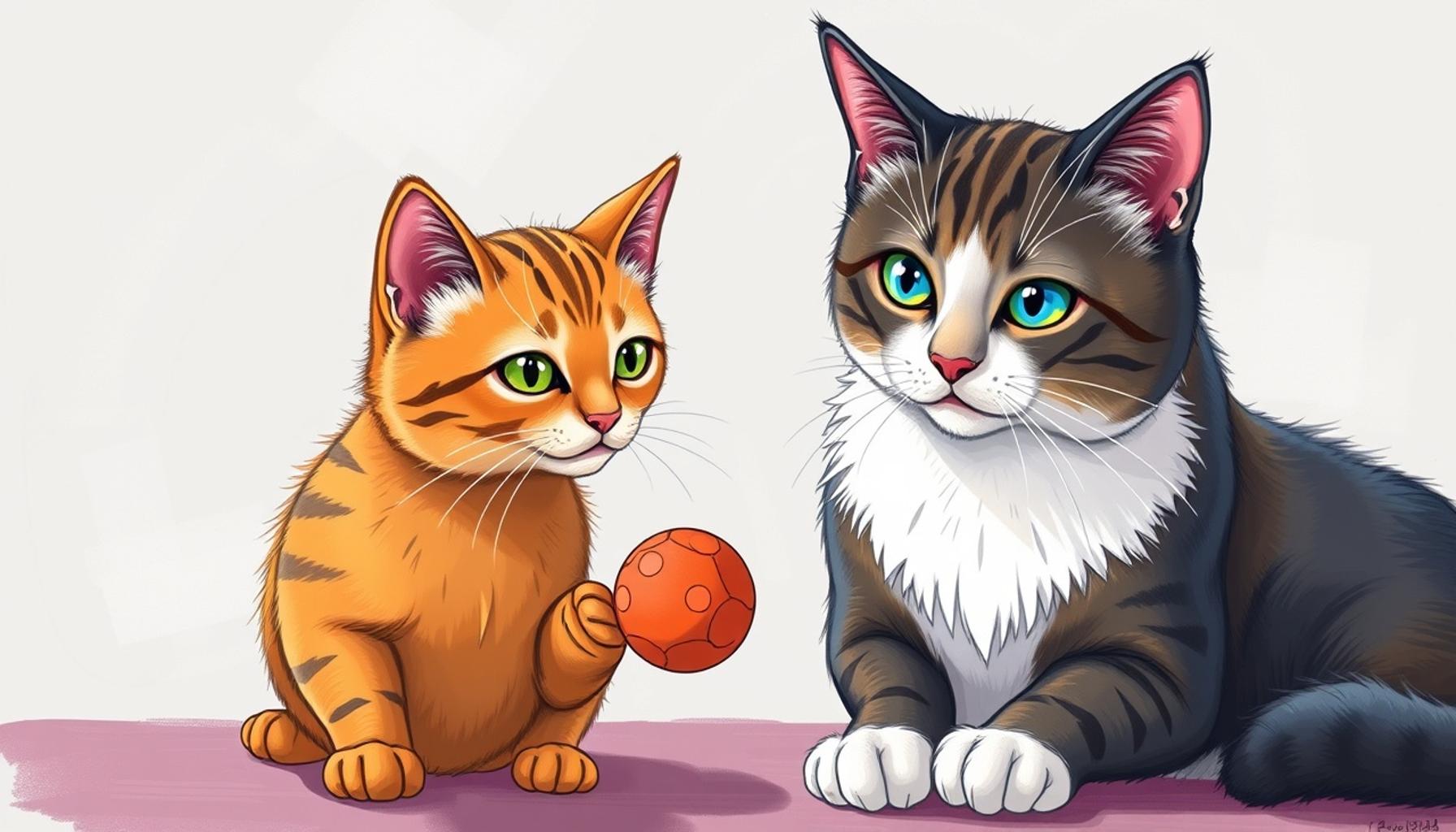
Incorporating Play into Training: Making Learning Fun for Your Pet
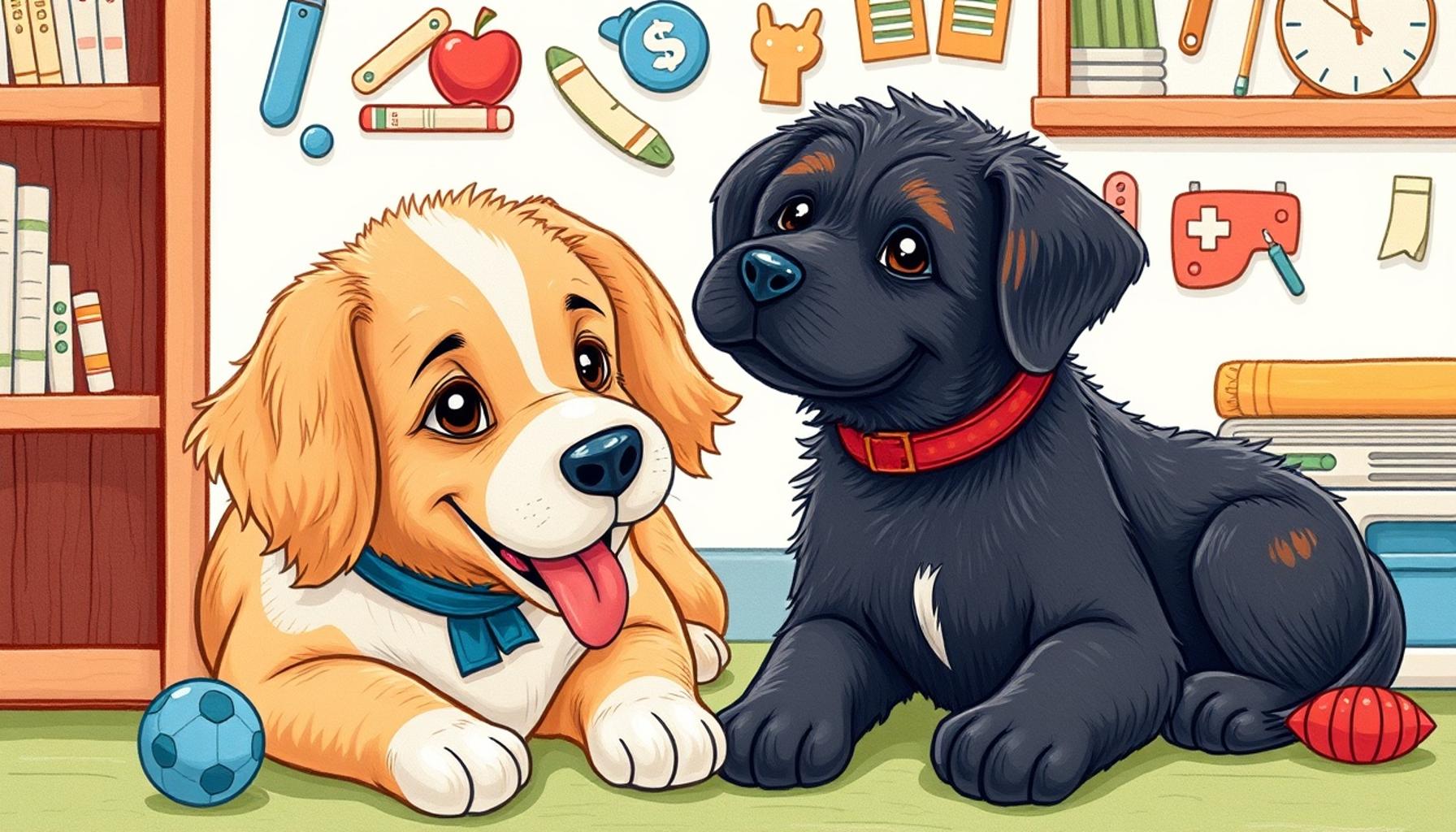
The Benefits of Playful Training
Traditional training methods often rely on repetition and strict discipline, which can make learning feel like a chore for both pets and their owners. Instead, embracing a playful approach to training can transform these vital bonding moments into interactive and enjoyable experiences. Playful training methods not only make learning fun, but they also foster a deeper connection between you and your furry companion.
One of the primary advantages of incorporating playful elements into training is increased engagement. Animals, much like humans, are more inclined to participate when they are enjoying themselves. Dogs, for instance, are naturally playful creatures. By utilizing their inherent love for play, you can create a more lively environment that encourages them to learn and respond to commands enthusiastically. Research shows that pets trained in a stimulating atmosphere are more likely to retain information and skills over time.
Another significant benefit is enhanced recall. Playful techniques not only aid in memory retention but also reinforce essential commands. For example, a dog playing fetch learns to associate the command “Come” with the joy of retrieving their favorite ball, directly linking fun with obedience. This association aids in quicker recall during everyday situations, such as when you need your dog to return to you at a busy park.
Additionally, stress reduction is a crucial aspect of playful training. Both animals and trainers can experience anxiety during rigorous training sessions. By introducing elements of play, such as games and rewards, you create a positive atmosphere that alleviates tension, making learning a more enjoyable experience for all involved.
To seamlessly blend play with training, consider some innovative strategies:
- Fetch for Retrieval Commands: Use your pet’s favorite toy during training. This not only keeps your pet engaged but effectively teaches commands such as “Drop it” as they return the toy back to you.
- Agility Courses: Set up an obstacle course in your backyard or living room using cushions, chairs, and boxes. This hands-on approach encourages exploration and agility, while reinforcing commands such as “Jump” and “Weave.”
- Treat-Dispensing Toys: These toys can keep your pet occupied while encouraging them to think creatively to receive rewards. This method also links positive reinforcement with playtime.
By turning training into interactive games, you’ll discover that your pet not only learns commands faster but is also having a great time throughout the process. Moreover, these enjoyable interactions can lead to a more loyal and well-behaved companion. As you explore further, remember that each pet is unique and may respond differently to various methods. Tailoring your approach to fit your furry friend’s personality will enhance the training experience even more!
DISCOVER MORE: Click here to learn about preparing for your new furry
The Power of Play in Training
Using play as a cornerstone in pet training opens doors to a wealth of possibilities. Not only do these methods create a conducive learning environment, but they also tap into the natural instincts of our pets, turning what could be a mundane task into an exciting adventure. By introducing playful strategies into your training regimen, you can significantly improve your pet’s motivation, focus, and overall enjoyment.
One proven technique is the clicker training method, which combines play with positive reinforcement. A clicker is a small handheld device that makes a distinct sound when pressed, signaling to your pet that they have performed the desired action. For instance, while your dog is playing with their favorite squeaky toy, you can use the clicker to reinforce good behavior, associating the sound with the reward of play. This simple tool can enhance communication between you and your pet, making learning feel like a game rather than a chore.
Moreover, interactive games specifically designed for training can also yield positive results. Activities such as hide-and-seek provide an excellent opportunity for pets to use their instincts while reinforcing commands like “stay” or “come.” Here’s how you can introduce this game:
- Start with “Stay”: Ask your pet to remain in one spot while you hide somewhere in the house.
- Call your pet’s name: Once you’re hidden, call your pet to find you. When they do, shower them with praise and a treat!
- Repeat the process: As your pet becomes familiar with the game, you can choose more complex hiding spots, gradually increasing the difficulty to keep them engaged.
Another engaging method is incorporating social playtime with other pets. Arranging get-togethers with fellow pet owners allows for not only socialization but also the opportunity to practice learned commands in a fun, low-pressure situation. As pets interact with each other, they become more adept at responding to cues amidst distractions, such as when playing with a group of friends or chasing after toys.
Utilizing sensory stimulation can also add a new layer to training sessions. Introducing toys with various textures, sounds, and smells can pique your pet’s curiosity and attention. For example, scented plush toys or crinkly balls can transform a regular training session into a sensory adventure, enhancing your pet’s learning experience while keeping them engaged and alert.
It is essential to remember that each pet’s preferences vary. Some might thrive in a more structured game, while others may find delight in spontaneous play sessions. As you navigate through these playful training methods, take note of what ignites excitement in your pet. This attentiveness will not only bolster their willingness to learn but also deepen the bond you share.
| Advantage | Description |
|---|---|
| Enhanced Engagement | Integrating play into training captivates your pet’s attention, making them eager participants in the learning process. |
| Strengthened Bond | Playing together builds trust between you and your pet, fostering a deeper connection during training sessions. |
| Improved Retention | Fun activities can boost memory retention, allowing pets to learn and recall commands more effectively. |
| Physical Health | Incorporating play keeps your pet active, contributing to their overall physical fitness and well-being. |
Incorporating play into pet training not only enhances learning but creates a dynamic environment in which your pet thrives. Through engaging games and activities, you make learning a joyful experience and offer numerous benefits for both you and your pet. With improved retention of commands, increased physical activity, and a bonus of enhanced emotional bonding, training sessions can quickly become a highlight of your day together. Emphasizing these advantages can truly revolutionize the way you view training—offering a holistic approach towards a happier, healthier pet.
DON’T MISS: Click here for helpful tips
Creative Games to Foster Learning
Steering training into playful terrain not only captures a pet’s interest but is scientifically proven to enhance their learning curve. Engaging pets in fun activities ensures they retain commands and behaviors for longer periods. Let’s explore a variety of creative games you can employ to make training more enjoyable and effective.
Obstacle courses are a fantastic way to combine physical activity with training skills. By setting up a simple course in your backyard or living room, you can challenge your pet to navigate through tunnels, jump over low barriers, or weave between cones. Incorporating commands such as “jump,” “crawl,” or “go around” while guiding them through the course not only reinforces obedience but also aids in developing their agility. Plus, the dynamic environment encourages a lighthearted approach to learning, making it a win-win!
Another entertaining and educational activity is the fetch and recall game. This timeless classic can be adapted to serve as a training tool. Instead of simply throwing a toy, introduce elements like “drop it” or “bring it back” to reinforce obedience while your pet is in motion. For added fun, you can switch out toys regularly, such as balls and frisbees, or even use treats to entice your dog to return to you. This not only adds novelty to the game but also keeps your pet engaged and looking forward to the next round.
Incorporating mental challenges is crucial as well. Brain games or puzzles designed for pets can stimulate their cognitive abilities, allowing them to learn in a playful manner. Many retailers offer interactive toys that dispense treats as pets solve tasks or navigate obstacles. You can also create DIY puzzles using cardboard boxes, hidden treats, or simple mazes, encouraging your pet to think critically while having fun. These activities promote mental stimulation, which is equally important for a well-rounded training experience.
When incorporating these playful strategies, consider the timing of training sessions. Short, focused bursts of play are more effective than lengthy, monotonous sessions. Aim for 5 to 10 minutes, a few times a day, rather than an hour-long commitment. This keeps the engagement high, ensuring your pet remains keen and open to learning new tricks or commands. Another bonus? You can mix routine commands with play to spice up those training essentials, seamlessly transitioning into fun at any moment.
Utilizing natural instincts can also enhance your training sessions. For example, if your pet loves to dig or run, incorporating these behaviors into structured games makes training feel relevant. Hide treats under a blanket for them to sniff out or set up a chase game with a rubber toy as the bait. By aligning the training methods with instinctual behaviors, you’re harnessing their natural tendencies, making the learning experience feel more organic and enjoyable.
Lastly, the role of the pet owner is vital in this playful endeavor. Your energy, enthusiasm, and attitude can significantly impact your pet’s willingness to participate and learn. So, embrace the silliness, laugh, and celebrate even the small victories along the way. These moments foster a bond between you and your pet that transcends traditional training, creating a joyful atmosphere where learning and fun go hand in hand.
DISCOVER MORE: Click here for tips on relieving pet stress
Conclusion
Incorporating play into training is not merely an innovative approach; it is an essential component for fostering a strong bond between you and your pet. By utilizing engaging activities such as obstacle courses, fetch games, and mental challenges, you facilitate a learning environment that is not only fun but also effective. This methodology aligns with your pet’s natural instincts while boosting their enthusiasm for learning new commands and behaviors.
Moreover, the importance of timing and session structure cannot be overstated. Opting for short and dynamic training bursts ensures your pet remains attentive and eager rather than fatigued or disinterested. Additionally, embracing your own playful energy and fostering an encouraging atmosphere transforms the training experience from a chore into a cherished routine. Celebrate small milestones and actively engage with your pet; these moments of joy amplify the learning process.
As pet owners in the United States and beyond look for ways to enrich their pets’ lives, the intersection of play and training offers a fresh perspective on traditional methods. With the right balance of creativity, enthusiasm, and patience, every training session can become a delightful adventure, laying the groundwork for a well-mannered and content companion. Dive into this playful approach to training and witness how it revolutionizes not just your pet’s learning, but the relationship you share. Your pet’s future training could turn out to be just a game away!

Linda Carter
Linda Carter is a writer and pet care specialist passionate about animal health, behavior, and well-being. With extensive experience helping pet owners make informed decisions, Linda shares practical advice on nutrition, daily care, training, and creating a safe, loving environment. Her goal is to provide clear guidance, useful tips, and accessible information that help readers better understand their pets and give them happier, healthier lives.