How to Set Up a Vertical Garden with Different Types of Plants
The Rise of Vertical Gardens
As urban living spaces continue to shrink, gardening enthusiasts have increasingly turned to innovative solutions to cultivate greenery in limited areas. One such solution gaining traction is the vertical garden, a method that allows individuals to grow a variety of plants on walls, fences, or specially designed structures. This approach is particularly alluring to city dwellers, where backyard space is often a luxury.
Vertical gardens, also known as living walls, not only enhance the aesthetic appeal of any home but also serve functional purposes that can significantly improve the living environment. For instance, these gardens can help reduce energy costs by providing natural insulation, and they can also act as sound barriers, muffling the noise of street traffic. But the advantages extend far beyond mere beauty and practicality.
- Space-saving: Vertical gardens are especially beneficial for those living in apartments or smaller homes where floor space is at a premium. Instead of horizontal plots, gardening enthusiasts can utilize vertical surfaces to grow vibrant plants and herbs.
- Aesthetic appeal: The visual impact of a lush green wall can transform a bland space into a vibrant oasis. Homeowners can choose from a variety of plants to create stunning patterns, providing an artistic flair traditionally found in larger gardens.
- Improved air quality: With the ability to filter indoor air pollutants, vertical gardens play a crucial role in enhancing air quality. Plants naturally absorb carbon dioxide and release oxygen, helping to create a healthier living environment.
Selecting the right plants is essential for the success of a vertical garden. It’s crucial to choose species that thrive in vertical arrangements, as this will ensure longevity and vibrancy. Suitable choices include:
- Herbs: Plants such as basil and mint not only provide culinary benefits but are also easy to care for and grow well in vertical setups.
- Succulents: Varieties like jade and aloe are perfect for those looking for low-maintenance options that also add a pop of color.
- Flowering plants: Bright and cheerful flowers, including petunias and begonias, add variety and beauty to the vertical garden.
To embark on the journey of setting up a vertical garden, begin by assessing the location. Consider factors like sunlight, access to water, and the weight of the structure you plan to install. Creating a vertical garden can be a fulfilling project, allowing you to personalize your space while contributing to environmental sustainability. With creativity and thoughtful planning, you can cultivate a stunning vertical garden that reflects your unique personal style and maximizes your available growing space.
LEARN MORE: Click here to discover the importance of drainage in your garden
Getting Started with Your Vertical Garden
Setting up a vertical garden can be a rewarding endeavor, but it requires careful planning and consideration. To ensure success, it is crucial to begin by identifying the right location for your garden. Factors such as sunlight exposure, access to water, and structural support must be taken into account. A well-thought-out location will not only enhance plant growth but also provide a visually appealing display.
When selecting a site for your vertical garden, aim for a wall or structure that receives adequate sunlight. Most plants require between four to six hours of direct sunlight daily. Pay attention to the direction your wall faces; south-facing walls typically receive the most sunlight, while north-facing ones may provide partial shade. If your chosen spot is less than ideal for sunlight, consider incorporating grow lights to supplement light levels for optimal plant health.
Once you’ve evaluated the location, consider how you will water your vertical garden. Installing an irrigation system can ease the burden of maintaining moisture. Drip irrigation systems or self-watering planters are excellent options that deliver water directly to the roots and help prevent the risk of overwatering, which can lead to root rot and other issues.
Choosing the Right Structures
The construction of your vertical garden is another critical element. There are various options available, from pre-made vertical gardening kits to DIY designs. Consider the following structures for your project:
- Pallet Gardens: Repurposing old wooden pallets creates a rustic and functional vertical garden. Simply secure the back, fill the chambers with soil, and plant your desired vegetation.
- Vertical Planters: These are specially designed containers that can be stacked or hung on a wall. They come in various styles and materials, allowing for easy customization and mobility.
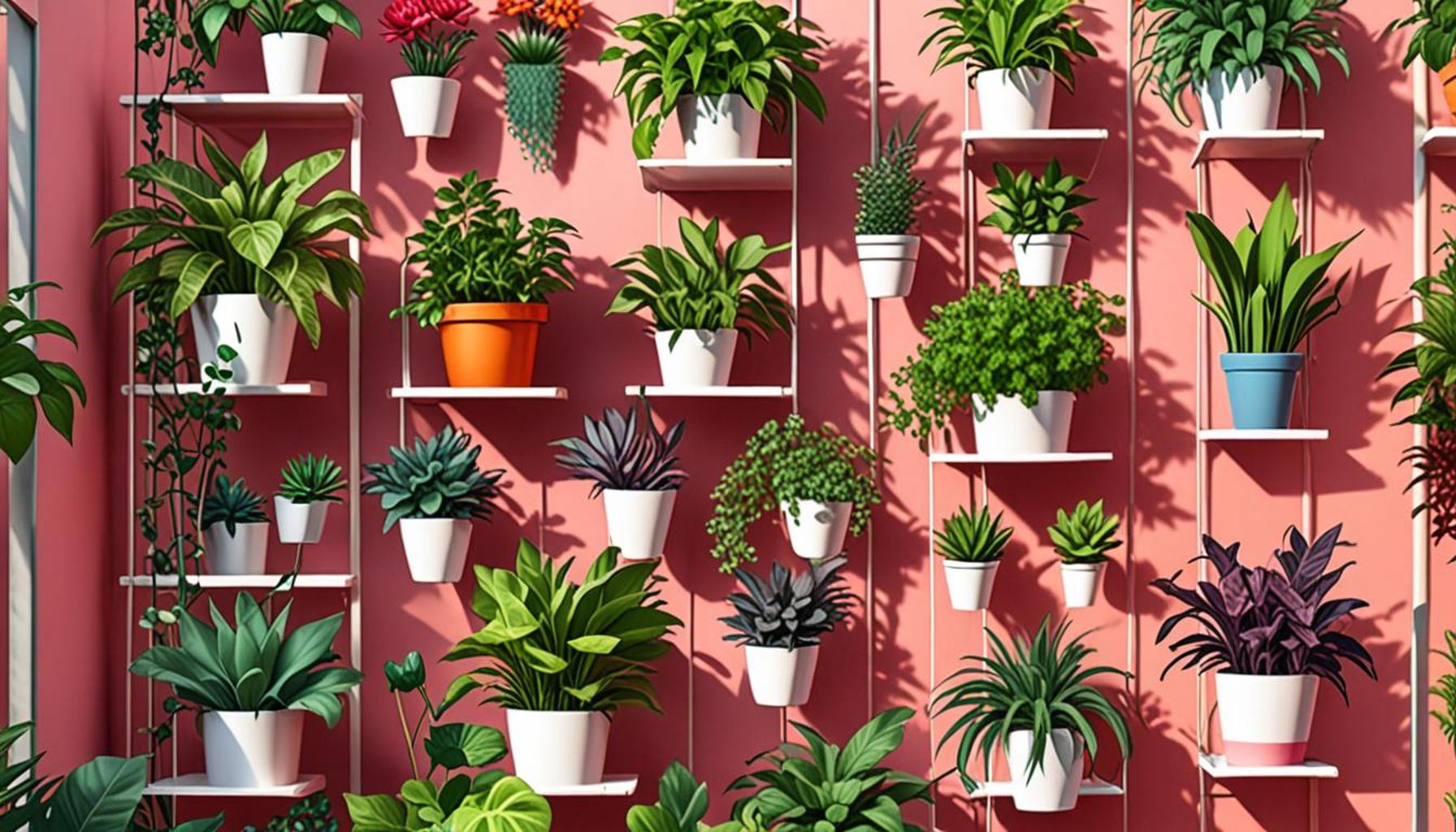
- Wall-Mounted Grids: Using metal or wooden grids, you can attach pots or containers at different heights. The grid structure allows for creative arrangements and optimizes space.
- Living Walls: Professional installation often provides a high-end look where plants are integrated directly into a structure. These walls allow for a diverse range of plant types and are typically equipped with irrigation systems.
After selecting your structure, it’s time to choose the plants that will thrive in your new vertical garden. Consider using a variety of plants to achieve both visual interest and practical functionality. Select species that have similar care requirements to make maintenance manageable. Take into account the level of sunlight and moisture each plant needs, and prepare to adjust your choices based on the specifics of your chosen structure.
With the right location, structural support, and plant selection, you are well on your way to creating a thriving vertical garden. The next steps will involve planting and ongoing maintenance, which will help ensure your green oasis flourishes year-round.
Essential Elements for a Successful Vertical Garden
Setting up a vertical garden requires careful consideration of various elements to ensure each plant thrives. One of the first aspects to consider is the selection of plants, as different species have unique light, water, and space requirements. Choose plants that harmonize well together, ensuring that taller plants do not overshadow their shorter companions. Herbs, succulents, and flowering plants can all coexist beautifully in a vertical setup.
Vertical Structures and Design
The structure of your vertical garden is equally important. Options range from wall planters, trellises, and even repurposed pallets. When designing your garden, think about the most efficient use of space while maintaining aesthetic appeal. Consider creating a tiered layout or using containers arranged in a colorful pattern. Each element should facilitate easy access for maintenance and care.
Watering and Maintenance
Irrigation systems play a critical role in the upkeep of a vertical garden. With so many plants sharing limited space, a satisfactory watering system prevents root rot and ensures that all plants receive adequate moisture. Employ drip irrigation for efficiency, or consider self-watering containers that help regulate moisture levels. Regular maintenance, such as pruning and checking for pests, keeps the garden healthy and vibrant.
Exploring Diverse Plant Varieties
In a vertical garden, the choice of plants opens a world of possibilities. Embrace a rich diversity by incorporating climbers like peas and beans, lush leafy greens such as lettuce and spinach, or even striking ornamental plants to create visual interest. Each plant adds unique colors, textures, and scents, making your vertical garden not just a functional space, but also a sensory delight that invites exploration.Each vertical garden tells a story based on its chosen plants, structure, and maintenance efforts. Whether seeking to grow culinary herbs for your kitchen or creating a peaceful green oasis, the journey toward setting up a vertical garden rewards both the gardener and the onlookers with beauty and productivity.
DISCOVER MORE: Click here for essential soil preparation tips
Planting Your Vertical Garden
After selecting your structure and plants, the next step is to dive into the planting process. While it may seem straightforward, there are essential techniques and tips that will facilitate a successful installation and make the most of your vertical space.
Soil and Fertilization
The foundation of any thriving garden lies in its soil. For vertical gardens, use a lightweight, well-draining soil mix, ideally formulated for container planting. Such mixes often include components like peat moss, vermiculite, and compost. These facilitate aeration and retain moisture, ensuring that your plants receive the appropriate nutrients without waterlogging.
Fertilization is also key to maintaining healthy plants. Since vertical structures often limit soil volume, consider applying a slow-release fertilizer at the time of planting. This will provide your plants with essential nutrients over time. Additionally, liquid fertilizers can be used during the growing season; applying them every couple of weeks will support ongoing growth and vibrancy.
Knowing Plant Placement
As you plant, you’ll want to think strategically about placement. Shorter plants should be positioned at the bottom, while taller plants can be placed higher up to avoid shading. This not only creates a visually appealing layered effect but also ensures that all plants receive adequate sunlight. If you’re incorporating vining plants, provide them with a trellis or similar structure to climb, maximizing vertical space and adding depth to your garden.
Moreover, consider mixing different types of plants based on their characteristics. Combining herbs, flowers, and foliage can result in a striking display, while also providing functional benefits. For instance, herbs like basil, oregano, and thyme can thrive in smaller spaces, while trailing plants such as ivy or string of pearls can create captivating cascades that soften the look of your garden.
Watering Techniques
Watering a vertical garden differs significantly from traditional garden beds. Plants in vertical gardens often dry out more quickly since they’re elevated and can be exposed to more air circulation. Regular monitoring is crucial to ensure each plant receives adequate moisture. As mentioned, a drip irrigation system is an efficient option. Alternatively, hand watering every other day can work if you prefer to interact more personally with your garden.
During particularly hot or dry spells, consider adjusting your routine. Pay attention to moisture levels in the soil, and don’t hesitate to adapt based on your plants’ needs. Installing a moisture meter can be helpful in gauging the right time to water, preventing over or under-watering.
Maintenance and Care
Once your vertical garden is installed, it requires consistent maintenance to promote growth and longevity. Regularly remove any dead or yellowing leaves, and prune overgrown plants to maintain balance and airflow. This will not only keep your garden looking tidy but also promote healthy growth by preventing pests and disease.
Pay attention to potential issues such as pest infestations or fungal diseases. A mixture of natural remedies, such as neem oil or insecticidal soap, can effectively manage these problems without harming your plants or the environment.
Finally, as the seasons change, don’t hesitate to refresh your garden by rotating plants or introducing seasonal varieties. This dynamic approach will keep your vertical garden vibrant and engaging year-round, inviting both pollinators and admiration from onlookers.
DISCOVER MORE: Click here to learn how to choose the best indoor plants
Conclusion
Creating a vertical garden is not just about aesthetics; it’s an innovative way to maximize limited space while enhancing your living environment with greenery. By following the essential steps outlined—from selecting the right structure to choosing various plant types and implementing appropriate care techniques—you can establish a thriving vertical garden that offers beauty and functionality.
Soil health and smart plant placement are critical to ensuring that every plant reaches its potential. Remember, the combination of texture and color from diverse plant types, such as herbs, flowers, and trailing vines, can create a stunning visual tapestry while providing practical uses, like fresh ingredients for your kitchen.
Furthermore, consistent maintenance, including vigilance against pests and regular watering, is key to achieving a flourishing vertical garden. Keeping your garden dynamic by rotating plants or introducing seasonal varieties will keep the space inviting all year round. For a truly rewarding experience, consider sharing your vertical gardening journey on social media or with community groups, nurturing a connection with others who share your passion.
Now is the perfect time to embrace the wonder of vertical gardening. With the right tools and knowledge, you can transform your walls into living art that invigorates both your space and your spirit. Start cultivating your vertical garden today and witness how a few simple adjustments can significantly impact your environment and emulate nature’s beauty in an unconventional manner.