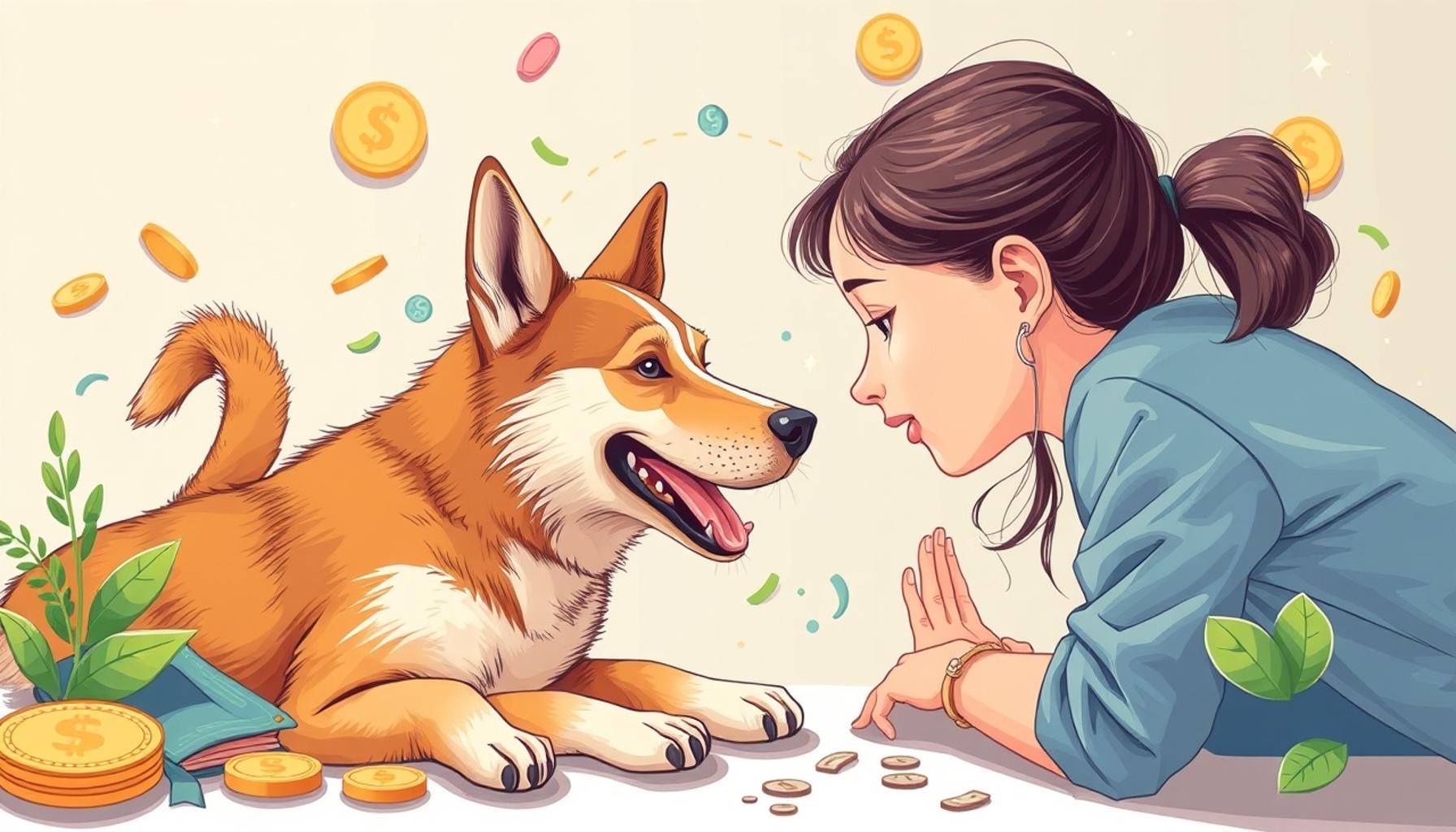
How Pet Owners Behavior Impacts Pets Mental Health Wellbeing

Understanding the Link Between Owners and Pets’ Mental Health
The bond between pet owners and their furry companions goes beyond cuddles and playtime; it significantly impacts pets’ mental health and wellbeing. Recognizing this connection is essential for ensuring that pets live happy, stress-free lives. As responsible pet owners, being aware of our behavior and its effects on our pets can lead to a healthier relationship.
Various factors come into play regarding how owner behavior influences pet mental health, such as attention, stress levels, and the home environment. For instance, an anxious owner may transmit their stress to their pets, leading to behavioral issues. Conversely, a nurturing environment can enhance a pet’s emotional stability.
In this article, we will dive into the top 5 ways your behavior as a pet owner can affect your pet’s mental health. By understanding these influences, you can make positive changes that benefit both you and your beloved companion.
Top 5: How Pet Owners’ Behavior Influences the Mental Health of Pets
The bond between pet owners and their furry companions is a unique one that goes beyond basic care. Pets are more than just animals; they are family members, and their mental health is significantly influenced by their owners’ behavior. Just as human relationships require nurturing, the relationship between a pet and their owner necessitates understanding and effort. In this article, we will explore the top five ways that a pet owner’s actions can shape the mental health of their pets. Whether you are a seasoned pet owner or a first-time adopter, understanding these dynamics can help you create a happier life for your beloved animal.
5. Interactions and Socialization
From the moment a pet enters your home, initial interactions between a pet and its owner can set the tone for their lifelong relationship. Socialization is critical, particularly for young animals. A lack of social exposure during the formative weeks and months of a pet’s life can lead to anxiety and behavioral issues in the future. For instance, dogs that are not taken out for social walks may become fearful or aggressive towards other dogs or people. Cats too, while often more independent, benefit from early and varied social interactions.
Fostering Proper Socialization
- Pet Parks: Taking your pet to parks where they can interact with other animals encourages positive social interactions.
- Varied Environments: Introduce pets to various environments gradually to avoid overwhelming them.
- Playdates: Arrange playdates with other pets under supervised conditions to help them learn appropriate social cues.
These efforts help improve a pet’s confidence and overall mental well-being, creating well-rounded, sociable animals.
4. Routine and Structure
Much like humans, pets thrive on routine. A well-established routine provides a sense of security and predictability. A predictable schedule for feeding, exercise, and downtime can positively impact a pet’s mental health. When a routine is disrupted, pets, particularly dogs, can experience heightened stress levels. This stress can manifest as anxiety or unwanted behaviors such as excessive barking or destructive chewing.
Maintaining a Stable Routine
- Consistent Feeding Times: Feed your pets at the same times each day to create a stable schedule.
- Designated Exercise Times: Establish regular times for walks and exercise to give pets an outlet for their energy.
- Regular Playtime: Keeping playtimes consistent helps in building a reliable and enjoyable daily structure.
Providing stability through routine helps animals feel secure, thereby reducing anxiety and fostering a calming environment.
3. Emotional Connection and Affection
The emotional bond between a pet and its owner is a powerful and nuanced connection that greatly impacts the pet’s mental health. Pets can sense the emotional climate of their home and owners. A loving and affectionate attitude from their owner can foster a deep sense of safety and comfort in pets. Conversely, if an owner is consistently stressed, angry, or indifferent, it can negatively affect a pet’s emotional state, leading to behavioral problems such as withdrawal or aggression.
Building a Vital Emotional Connection
- Quality Time: Dedicate quality time each day to spend with your pet, whether it is through play, relaxation, or simple companionship.
- Bonding Activities: Engage in activities like playing fetch, grooming, or solving puzzles to enhance your mutual bond.
- Positive Reinforcement: Use treats or praise to reinforce good behavior and show affection, contributing to a positive relationship.
A strong emotional bond can alleviate stress and anxiety in pets, leading to healthier, happier animals.
2. Training and Behavior Management
Proper training is essential for a pet’s mental health and overall well-being. Training not only teaches a pet essential commands and behaviors but also establishes clear rules and boundaries, which are comforting to animals. Inconsistent training can confuse pets, leading to frustration and anxiety. For example, a dog that is occasionally allowed on furniture may become confused or anxious when reprimanded for the same behavior at other times.
Promoting Effective Training
- Consistency: Use consistent commands and set clear expectations to provide your pet with a reliable framework of behavior.
- Positive Reinforcement Techniques: Encourage desired behavior through praise and rewards, aligning training with affirmative methods.
- Professional Help: In cases where behavior management becomes challenging, seeking professional assistance can provide specialized strategies.
A well-trained pet is a more confident pet, which reduces stress and enhances their overall mental health.
1. Stress Management in the Owner’s Life
Above all, the owner’s general stress levels have the most significant impact on a pet’s mental health. Pets are incredibly intuitive and can absorb the emotional state of their owners. If an owner is consistently anxious or stressed, their pets may mirror that emotional state. Symptoms of a stressed pet may include excessive barking, aggression, or withdrawal, mirroring their owner’s emotional turbulence.
Effective Stress Management for Owners
- Relaxation Techniques: Practice relaxation methods such as meditation or yoga to maintain a calm home environment.
- Limiting Stressful Environments: Create peaceful spaces in the home where pets and owners can retreat from daily stressors.
- Engaging in Joyful Activities: Taking part in enjoyable activities can foster positivity, benefiting both owner and pet.
By prioritizing their own mental health, pet owners can create a nurturing environment that is conducive to their pets’ well-being, establishing a cycle of positivity and health.
Understanding how your behavior affects your pet is essential for fostering a supportive environment that enhances their mental health. By being aware of these dynamics, pet owners can play a pivotal role in the emotional and psychological well-being of their beloved furry family members.
| Category | Details |
|---|---|
| Owner’s Attitude | The emotional state of pet owners can significantly affect their pets. Owners who are calm and positive tend to have pets that are less anxious and more well-adjusted. |
| Social Interaction | Pets whose owners engage socially, such as participating in dog parks or pet-friendly events, often display improved social behavior and adaptability. |
| Routine and Structure | Establishing a regular routine for feeding, exercise, and training creates a sense of safety and predictability for pets, leading to better mental health. |
| Attention and Affection | Owners who spend quality time with their pets, offering love and attention, foster strong bonds that enhance emotional stability and happiness in pets. |
The behavior of pet owners plays an integral role in the mental health of their furry companions. First and foremost, an owner’s attitude can directly influence their pet’s emotional well-being. For instance, a calm and patient owner typically fosters a more confident and relaxed pet, whereas a stressed or anxious owner may inadvertently pass on those feelings to their pet, leading to increased anxiety or behavioral issues.Moreover, social interaction is crucial for pets. Regular engagement in social activities—whether through visits to pet parks or involvement in community events—helps enhance a pet’s social skills and reduces the risk of developing aggressive or fearful behaviors. A well-socialized pet is generally more adaptable and capable of handling new situations and environments.In addition, maintaining a routine and structure in a pet’s daily life is essential for its mental health. Just like humans, animals thrive on routine, which provides a sense of security. By having set times for meals, walks, and playtime, pets can feel more at ease and understand what to expect, positively impacting their behavior and anxiety levels.Lastly, giving attention and affection to pets cannot be overstated. Regular play, petting, and quality time spent together strengthen the bond between an owner and their pet, ultimately enhancing the pet’s emotional health. Pets that receive sufficient love and care are less likely to experience stress or behavioral issues, leading to happier and healthier lives. By understanding and implementing these concepts, pet owners can foster a supportive environment that significantly benefits their animals’ mental health.
FAQs: How Pet Owners’ Behavior Influences the Mental Health of Pets
How does my behavior as a pet owner affect my pet’s mental health?
Your behavior has a significant impact on your pet’s mental health. Animals are highly perceptive and can sense your emotions and energy. For example, if you often feel stressed or anxious, your pet might pick up on these emotions and become anxious or distressed as well. Maintaining a calm and positive demeanor can help promote a peaceful and relaxed environment for your pet, boosting their mental well-being.
What specific actions should I take to ensure my pet’s mental wellbeing?
To support your pet’s mental health, engage in regular interactions and provide consistent routines. Spend time playing with them, take them on regular walks, and ensure they have social interactions with other animals when possible. Consistency is key, as a predictable routine can offer security and reduce anxiety in pets. Additionally, offering mental stimulation through toys and training activities can keep their minds active and fulfilled.
Can changes in my lifestyle impact my pet’s behavior or mood?
Yes, changes in your lifestyle, such as moving to a new house or having a new family member, can affect your pet. Pets are sensitive to changes in their environment and may feel unsettled during transitions. To ease this process, try to maintain familiar elements like feeding and walking schedules, and gradually introduce any changes. Providing comfort and reassurance during these times can alleviate stress for your pet.
Do pets benefit from their owners having a strong understanding of their needs?
Absolutely! Understanding your pet’s specific needs, such as their preferred playtime activities, dietary requirements, and comfort zones, allows you to provide tailored care. By observing their behavior and reactions, you can adapt your interactions to foster their happiness and mental health. For instance, knowing when they prefer solitude or attention can prevent unnecessary stress and strengthen your bond.
How can I tell if my behavior is affecting my pet’s mental health negatively?
Pay attention to changes in your pet’s behavior, such as increased aggression, withdrawal, or changes in eating habits. These could be signs that they are experiencing stress or anxiety. Reflect on recent changes in your behavior or household that could have impacted your pet. Addressing these changes and fostering a stable, nurturing environment can help alleviate any negative effects your actions may have had on their mental health.
Conclusion
Understanding how pet owners’ behavior influences the mental health of their pets is crucial for fostering healthier and happier relationships between humans and animals. Throughout this article, we’ve explored key aspects of this dynamic:
- The significant impact of an owner’s emotional state on their pet’s mental health. Pets are sensitive and can mirror the stress, anxiety, or calmness of their owners.
- The importance of consistent routine and environment. Animals thrive on predictability, and disruptions in their schedule or living conditions can lead to stress and behavioral issues.
- The role of active engagement between pets and their owners. Regular interaction and play are essential not only for physical exercise but also for mental stimulation and emotional bonding.
- The necessity of providing proper training and socialization to ensure pets are well-adjusted and can cope with different environmental and social situations.
- The influence of an owner’s overall lifestyle on their pet’s well-being. A healthy, balanced lifestyle benefits both the owner and the pet, contributing positively to each other’s mental and physical health.
Given these considerations, it is vital for pet owners to be mindful of their own behavior and its potential repercussions on their pets’ mental health. By fostering an environment of stability, love, and engagement, pet owners can significantly contribute to their animals’ holistic well-being. Ensuring that pets receive proper care, attention, and training not only improves their mental health but also enhances the harmony and satisfaction within the pet-owner relationship. Ultimately, the well-being of pets is closely tied to the actions and attitudes of the people they live with, emphasizing the shared responsibility in nurturing a healthy lifestyle.

Linda Carter
Linda Carter is a writer and pet care specialist passionate about animal health, behavior, and well-being. With extensive experience helping pet owners make informed decisions, Linda shares practical advice on nutrition, daily care, training, and creating a safe, loving environment. Her goal is to provide clear guidance, useful tips, and accessible information that help readers better understand their pets and give them happier, healthier lives.