How Pet Owners’ Behavior Affects Their Pets’ Mental Health
The Intricate Bond Between Pets and Their Owners
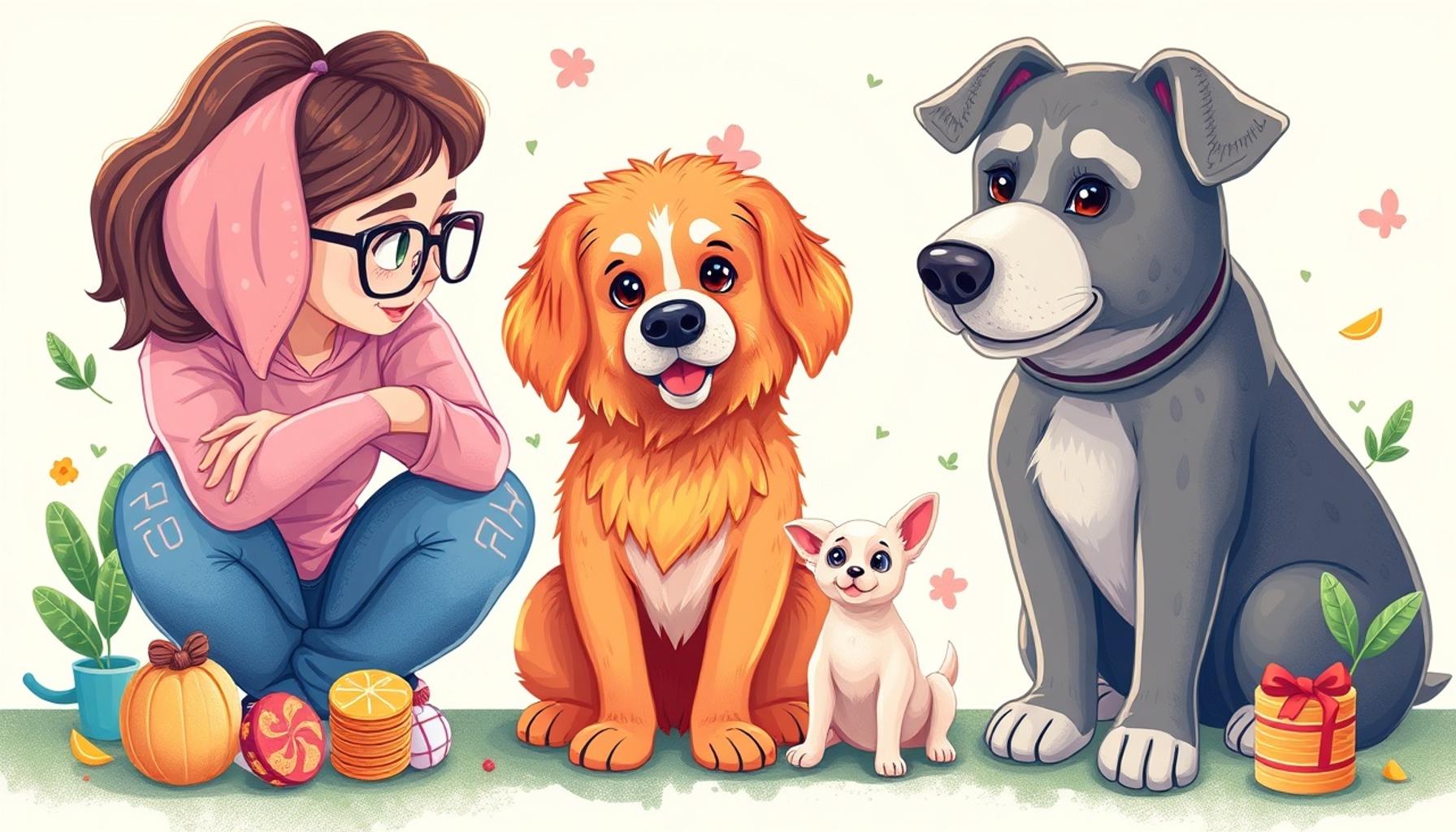
The relationship between pets and their owners is complex and deeply intertwined. Many pet owners often overlook how their behaviors can significantly affect their furry companions’ mental health. Understanding this connection is essential for fostering a happy and healthy environment for pets, as it directly influences their behavior, emotional stability, and overall quality of life.
Consider the following aspects of pet ownership:
- Interaction levels: The time and quality of interaction can greatly impact a pet’s happiness. For example, spending quality time playing with a dog or providing a cat with engaging toys can help alleviate boredom and anxiety. Studies show that pets who receive regular mental and physical stimulation tend to be happier and healthier.
- Training methods: Utilizing positive reinforcement leads to better mental well-being. Rewarding good behavior with treats, praise, or playtime encourages pets to develop trust and enhances their ability to learn. In contrast, aversive training methods can lead to feelings of fear and insecurity, which may result in behavior problems. Many experts advocate for humane training techniques that strengthen the bond between pets and owners.
- Routine and stability: A consistent routine helps pets feel secure. Dogs and cats thrive on predictability; regular feeding, exercise, and playtime schedules reduce anxiety and promote a sense of safety in their environment. A pet that knows when to expect meals, walks, and quiet time will often exhibit less stress and better behavior.
Research indicates that stressful environments and negative interactions can lead to behavioral issues in pets. For instance, dogs subjected to harsh discipline may show signs of anxiety, such as separation distress or aggression towards their owners or other animals. Similarly, cats living in chaotic households may respond with defensive behaviors, making them more prone to aggression or withdrawal. It serves to highlight the importance of creating a calm household for the well-being of both pets and owners.
Furthermore, an owner’s mental state plays a crucial role in how pets perceive their surroundings. Pets, particularly dogs and cats, are highly perceptive to their owner’s feelings and behaviors, often mirroring their emotional states. This phenomenon reveals how connected pets can be to their owners’ mood changes—happy, anxious, or stressed owners can influence their pets’ behavior. Consequently, this connection emphasizes the shared responsibility of maintaining a nurturing environment, suggesting that pet owners should also prioritize their mental health.
As we delve deeper into how pet owners’ behavior affects their pets’ mental health, it becomes increasingly apparent that nurturing positive habits can enhance the overall well-being of both pets and their owners. Investing time in understanding these dynamics could unlock the key to a happier, healthier relationship for both parties. It’s essential for pet owners to educate themselves on how their lifestyle choices, emotional well-being, and interaction styles can create lasting impacts on their pets’ quality of life, ensuring a harmonious coexistence that benefits everyone involved.
DIVE DEEPER: Click here to learn more
Understanding Interaction Levels and Their Impact
One of the most vital components of a pet owner’s behavior is the level and quality of interaction they provide to their pets. Regular engagement not only strengthens the bond between pets and owners but also significantly contributes to a pet’s overall mental health. Studies indicate that pets who enjoy frequent quality time with their owners tend to exhibit fewer behavioral issues and enjoy better emotional well-being. Consequently, neglecting this essential aspect can lead to feelings of loneliness, anxiety, and even depression in pets.
To better understand the role of interaction, let’s explore some of the key benefits:
- Emotional Connection: Simple activities such as playing fetch with a dog or engaging in interactive play with a cat can enhance their emotional connection to their owners. This bond promotes feelings of security and happiness in pets, which are crucial for their mental health.
- Behavioral Improvement: Pets that receive regular attention and stimulation tend to show more desirable behaviors. Engaged pets are less likely to exhibit signs of anxiety-related issues, such as barking, scratching, or excessive grooming, by channeling their energy into positive activities.
- Reduction in Stress Levels: Physical affection, whether it’s petting, cuddling, or gentle grooming, greatly reduces stress in pets. Such interactions release oxytocin, often referred to as the “love hormone,” which is known to alleviate anxiety and foster a sense of calm.
In addition to interaction, the methods employed in pet training significantly influence a pet’s mental state. Owners who utilize positive reinforcement techniques create a more conducive learning environment, enhancing their pet’s confidence and emotional resilience. For instance, rewarding pets with treats, praises, or playful interactions when they exhibit good behavior fosters trust and encourages them to repeat those behaviors. Conversely, punishment-based training can instill fear, leading to issues such as aggression or withdrawal, which ultimately disrupt the mental well-being of pets.
Moreover, maintaining a consistent routine is equally critical for enhancing pets’ mental health. Pets thrive on routine, which provides stability and predictability in their lives. For example, a dog who knows they will be taken for a walk at the same time every day is likely to feel more secure and content. In contrast, sudden changes in their schedules can induce stress and anxiety. Regular routines not only make pets feel safe but also contribute to better behavior and less destructive tendencies.
Understanding the intricate effects of interaction, training methods, and routine is essential in recognizing how pet owners’ behaviors significantly influence their pets’ mental health. As we continue to explore this topic, it becomes clear that the responsibility to create a nurturing environment extends beyond just providing food and shelter—offering emotional support and stability is equally paramount in fostering the well-being of our furry companions.
Understanding the Connection Between Owner Behavior and Pet Mental Health
Research has increasingly highlighted how the actions and emotional states of pet owners play a critical role in determining their pets’ mental health. Just as humans can sense emotions through body language and tone of voice, pets respond profoundly to their owners’ behaviors. For instance, stressful interactions and a lack of positive engagement can lead to anxiety and fear in pets, significantly affecting their overall well-being.Pets thrive on consistent routines and positive reinforcement. Owners who engage in regular exercise, playtime, and training can foster both physical health and mental stimulation in their pets. This not only strengthens the bond but also promotes better behavior and reduces instances of anxiety or destructive tendencies. A study suggested that dogs who participate in daily walks with their owners exhibit lower levels of stress and aggression, illustrating the vital role of companionship and interaction.Moreover, owner mental health is another crucial component. Pet owners experiencing depression or anxiety are less likely to engage positively with their pets, which can create a cycle of negative emotional states for both parties. The presence of a pet can help alleviate some of these symptoms for the owner; however, it is essential for owners to be mindful of their mental states, as it directly affects their furry companions.To delve deeper into how pet owners can positively influence their pets’ mental health, let’s explore an illustrative table below highlighting specific advantages:
| Category 1 | Category 2 |
|---|---|
| Emotional Support | Pets provide unconditional love, reducing feelings of loneliness and boosting mental wellness for owners and pets alike. |
| Routine and Structure | Consistency in walks, feeding, and playtime enhances stability, creating a calm environment that benefits both the pet and owner. |
By integrating practices that promote positive interactions, owners not only secure their pets’ mental health but also nurture their own well-being. This bidirectional relationship underscores the importance of understanding the impacts of pet owners’ behaviors on their furry companions. The journey to improving pet mental health is significantly influenced by the owner’s understanding and responsiveness to their emotional and behavioral needs. Encouraging responsible pet ownership allows both parties to engage deeply and joyfully in a shared life, enhancing mental wellness holistically.
DISCOVER MORE: Click here for stress-free pet introductions
The Role of Environment and Enrichment in Mental Health
Beyond interaction, the environment that pet owners create plays a significant role in shaping their pets’ mental health. A stimulating environment that caters to a pet’s natural instincts can help mitigate behavioral issues and promote emotional well-being. For instance, dogs are naturally inclined to explore, sniff, and play. Incorporating elements such as puzzle toys, agility courses, or even simple scavenger hunts can provide mental stimulation that is crucial for their cognitive functioning.
Moreover, the presence of safe and varied spaces within the home allows pets to express their natural behaviors. For example, providing designated areas for climbing and scratching for cats not only satisfies their instinctive needs but also prevents destructive behaviors that can arise from boredom. Research shows that pets who live in enriched environments are generally more active, happier, and demonstrate fewer signs of distress.
Additionally, pet owners must be aware of the impact of household dynamics on their pets’ mental health. Multi-pet households can create a rich social fabric, promoting play and interaction; however, they can also lead to competition and stress if not managed correctly. It’s essential for owners to maintain harmony by ensuring that each pet receives individual attention and is not overshadowed by more dominant companions. This balance helps to create a peaceful household conducive to all pets’ emotional stability.
The Influence of Owner Behavior on Pets’ Reactions
Pet owners’ behaviors extend beyond direct interaction or environmental factors; their own emotional states greatly influence their pets’ mental health. Pets are incredibly perceptive creatures, often picking up on their owners’ emotions and stress levels. A 2020 study from the University of Massachusetts found that dogs exhibited increased signs of stress in response to their owners’ anxiety or anger. This phenomenon is often referred to as “emotional contagion,” whereby one species’ emotional state affects another’s behavior and well-being.
Furthermore, the day-to-day stressors that owners experience—such as work-related pressures or financial worries—can inadvertently translate into neglectful behavior towards their pets. A pet that is frequently left alone due to an owner’s long hours at work may develop separation anxiety, leading to further emotional turmoil. Therefore, it’s essential for pet owners to actively manage their own stress and emotions for the sake of their pets’ mental well-being.
Socialization and Its Mental Health Benefits
Another vital factor in promoting a pet’s mental health is proper socialization. Social exposure to other animals and humans is crucial for pets, especially during their formative years. For puppies and kittens, early socialization can prevent anxiety and fear-based behaviors in adulthood. Regular outings to dog parks or controlled group training classes can facilitate positive interactions that can enhance a pet’s confidence and social skills.
For adult pets, continued socialization can help prevent behavioral issues by ensuring they are comfortable in varying environments. A study published by the Journal of Veterinary Behavior indicates that dogs that were regularly socialized showed lower levels of fear and anxiety in unfamiliar situations compared to those that were isolated. Therefore, pet owners should prioritize creating opportunities for social interaction in a controlled and nurturing manner.
In summary, the combination of an enriched environment, attentive owner behavior, and socialization can significantly improve pets’ mental health outcomes. As we further explore the dynamics of pet ownership, it becomes evident that a holistic approach—considering both environmental factors and emotional influences—is essential for fostering a nurturing atmosphere for our beloved companions.
DISCOVER MORE: Click here for essential tips on socializing your pet
Conclusion
Understanding how pet owners’ behavior affects their pets’ mental health is crucial for cultivating a harmonious relationship that benefits both parties. The intricate interplay between a pet’s environment, their owner’s emotional state, and opportunities for socialization highlights the responsibility that comes with pet ownership. A nurturing home filled with mental stimulation and physical enrichment can significantly enhance a pet’s quality of life, leading to happier and more balanced companions.
The effects of owner emotions resonate deeply with pets, as they often mirror their owner’s feelings. Thus, maintaining a calm and positive atmosphere not only helps owners cope with their own stress but also promotes emotional stability in pets. Furthermore, the importance of socialization cannot be overstated; exposing pets to diverse environments and interactions is vital for their development and well-being, particularly during their formative years.
In a broader sense, by fostering an environment that is rich in care and understanding, pet owners not only enhance their pets’ mental health but also build stronger bonds that last a lifetime. As we continue to explore the profound connections we share with our furry companions, it becomes clear that our behavior holds the key to unlocking their fullest potential. For those looking to improve their pets’ mental health, every small effort—be it in creating an enriched environment, managing stress levels, or facilitating social opportunities—contributes towards a happier, healthier pet.

Linda Carter
Linda Carter is a writer and pet care specialist passionate about animal health, behavior, and well-being. With extensive experience helping pet owners make informed decisions, Linda shares practical advice on nutrition, daily care, training, and creating a safe, loving environment. Her goal is to provide clear guidance, useful tips, and accessible information that help readers better understand their pets and give them happier, healthier lives.