Growing Vegetables at Home: Types of Edible Plants for Beginners
Discovering the Joy of Home Gardening
Imagine stepping into your backyard and plucking fresh vegetables for dinner. Growing vegetables at home not only provides a source of fresh produce but also offers a rewarding pastime for both seasoned gardeners and enthusiastic beginners alike. The great news is that with a little enthusiasm, planning, and patience, anyone can cultivate their own edible plants, regardless of the size of their outdoor space.
Why Start Growing Your Own Vegetables?
There are numerous benefits to embarking on this green journey. Here are some key reasons to consider:
- Healthier Options: Homegrown vegetables are free from harmful pesticides and preservatives, allowing you to enjoy produce that’s fresher and often tastier than what you find in stores. For instance, many gardeners report that their tomatoes have a richer flavor compared to commercial varieties.
- Cost-Effective: Growing your own food can significantly decrease your grocery bills. With rising costs in supermarkets, home gardening can lead to substantial savings, especially during peak harvest seasons when you can enjoy a variety of vegetables without additional costs.
- Satisfaction: There’s a unique joy in nurturing plants and reaping the rewards of your labor. Whether it’s the thrill of watching seeds sprout or the pride in cooking a meal with ingredients you’ve grown yourself, these experiences add invaluable joy to everyday life.
Choosing the Right Edible Plants
For beginners, it’s essential to choose easy-to-grow vegetables that yield a good harvest. Here are some great options to kickstart your garden:
- Tomatoes: Versatile and popular, they’re ideal for containers, making them perfect for both small apartments and spacious backyards. Varieties such as cherry tomatoes are especially great for snacking and salads.
- Lettuce: Quick to grow, lettuce varieties like romaine or butterhead can sprout within weeks, making them perfect for quick salads. Additionally, their fast growth means you can enjoy multiple harvests in a single growing season.
- Radishes: Fast-growing and easy to care for, radishes offer crisp results in as little as three weeks. Not only are they a delicious addition to salads, but they’re also an excellent choice for children learning the ropes of gardening.
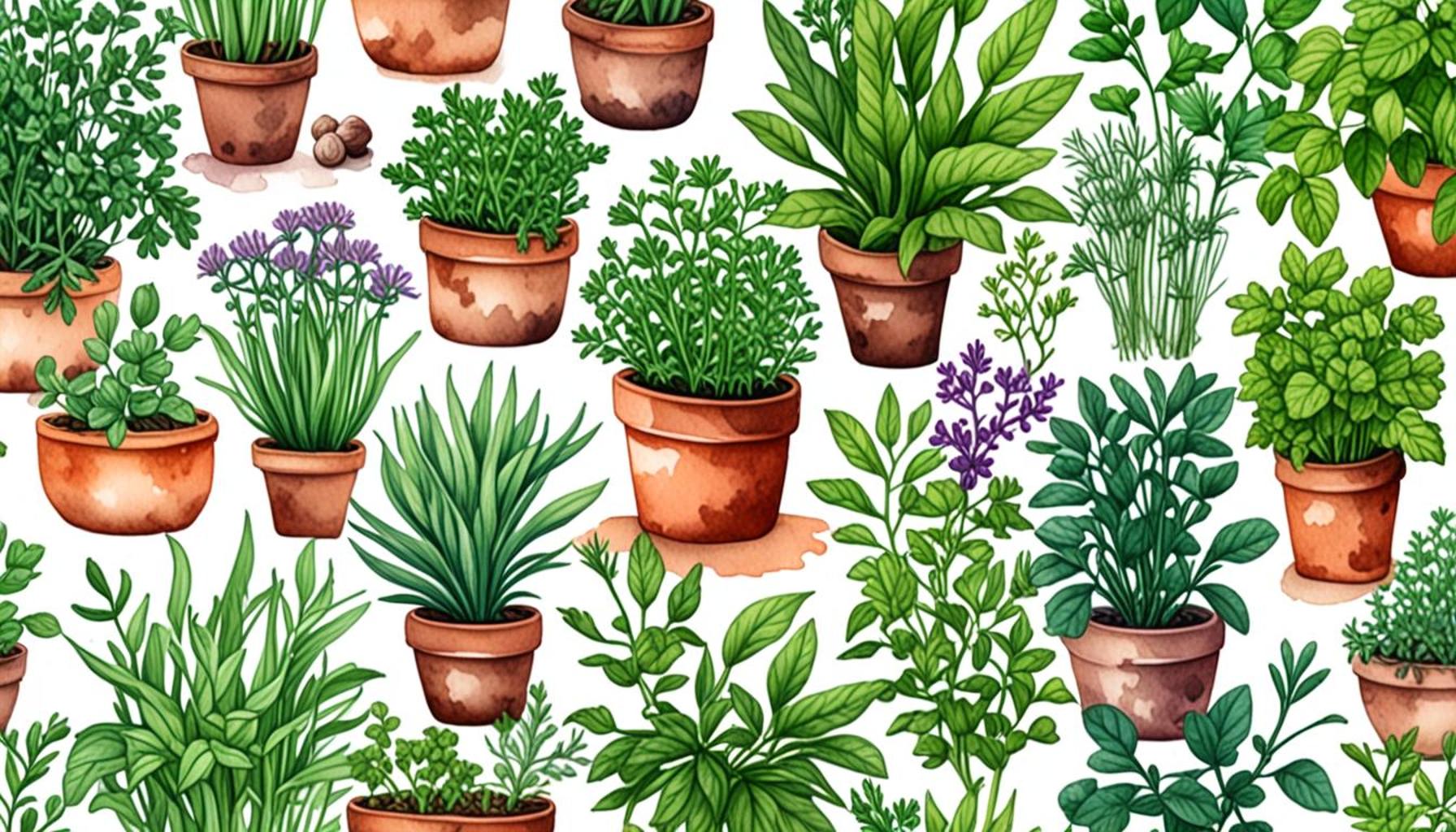
- Herbs: Basil, cilantro, and mint can thrive in small spaces, adding flair to your dishes without requiring much room to grow. These herbs can also be grown indoors on a windowsill, providing fresh flavors all year round.
With the right choices and a bit of attention, growing vegetables at home becomes an accessible and enjoyable hobby. You might find your backyard transformed into a lush retreat filled with vibrant colors and delightful scents. Ready to dig in? Let’s explore the types of edible plants perfect for budding gardeners and the various benefits they bring to your kitchen and lifestyle.
DISCOVER MORE: Click here for essential gardening tips
Getting Started with Easy-to-Grow Vegetables
Embarking on your home gardening journey can be both exciting and fulfilling. As a beginner, the key to success is starting with the right types of edible plants that not only suit your growing space but also match your culinary preferences. Here, we delve into a selection of vegetables that thrive easily in a home garden, ensuring that you can cultivate a lush space without overwhelming yourself.
Top Edible Plants for New Gardeners
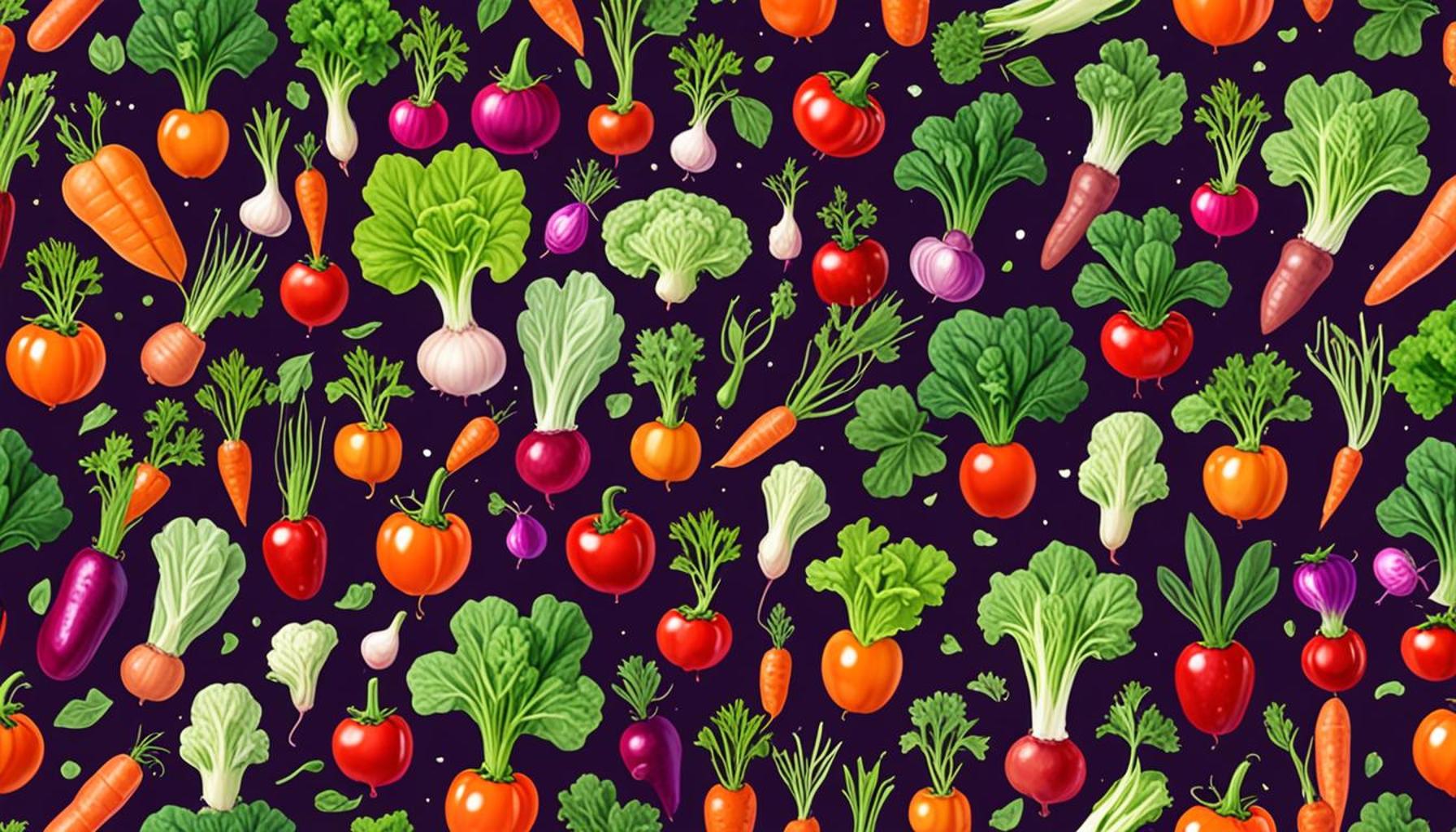
When selecting vegetables to grow at home, it’s important to prioritize those that are low-maintenance and accommodating for novice gardeners. Here’s a list of recommended vegetables that can make your gardening experience rewarding and enjoyable:
- Green Beans: These are not only fun to grow but also prolific yielders. Green beans adapt well to various soil conditions and can be grown in containers or directly in garden beds. Choose between bush varieties for compact growth or pole varieties that climb and save ground space.
- Spinach: A nutrient-dense green that is incredibly forgiving in terms of growing conditions, spinach can be sown both in spring and fall. It thrives in cool weather, making it a perfect fit for the moderately warm climate found across much of the United States.
- Carrots: Carrots can be grown in a variety of soil types, as long as they’re loose and well-drained. Not only do they require minimal upkeep, but their colorful roots are a hit amongst kids, making carrot-growing an ideal family activity.
- Peppers: Available in endless varieties, from sweet bell peppers to spicy jalapeños, these colorful plants can be grown in pots, hanging baskets, or in garden beds. They enjoy warm weather, so waiting until all frost has passed before planting is essential.
- Zucchini: This versatile veggie is notorious for its high yields, often providing gardeners with a bumper crop. With a bit of space and a sunny spot, you can grow zucchini plants that not only generate a lot of produce but are also delicious in numerous dishes.
Choosing the right vegetables is just the first step; understanding their growing requirements is crucial. Knowledge about factors like sunlight, water needs, and soil type will ensure your garden flourishes. Keep in mind that some plants can be grown from seeds, while others may be preferable to start from young seedlings. This consideration can ease the transition into gardening if you’re unsure about the seed germination process.
Ultimately, growing vegetables at home can transform your culinary experience. From herb-infused salads to garden-fresh stir-fries, the tangible benefits of your efforts will be reflected in your meals. As you gain confidence and experience, don’t hesitate to experiment with different types of edible plants, broadening your garden and palate alike.
| Category | Description & Benefits |
|---|---|
| Leafy Greens | Strong plants such as spinach and lettuce are nutrient-dense and grow quickly, making them ideal for beginners. |
| Root Vegetables | Aspects like carrots, radishes, and potatoes can thrive in smaller spaces, providing essential carbohydrates and easy-to-manage soil cultivation. |
| Herbs | Simple to maintain, herbs like basil and parsley can enhance meals with flavor while requiring minimal gardening skills. |
| Fruiting Plants | Tomatoes and peppers offer delicious homegrown produce, enriching meals and providing vitamins and antioxidants. |
| Legumes | Beans and peas are excellent for nitrogen fixation, enriching soil health and yielding nutritious crops. |
The above table encapsulates key categories of edible plants suitable for beginners embarking on their home gardening journey. Leafy greens offer quick returns and are essential for a healthy diet, while root vegetables are space-efficient and easy to grow. Herbs can elevate home-cooked meals with minimal effort, while fruiting plants provide both visual beauty and nutritional benefits. Lastly, legumes focus on soil health, promoting a sustainable gardening practice. Growing vegetables at home not only enhances one’s culinary experience but also contributes to a healthier lifestyle. With these categories in mind, novice gardeners can confidently select plants that suit their interests and abilities, ensuring a fruitful gardening experience. Discover the joy of harvesting your own edible plants and reap the countless benefits that come with it!
DISCOVER MORE: Click here to learn about great succulents for beginners
Herbs and Companion Plants: Enhancing Your Vegetable Garden
In addition to traditional vegetables, incorporating herbs and companion plants can significantly enrich your home gardening experience. These plants not only provide flavor and aroma but also serve various roles in promoting healthier vegetable growth. Here’s a closer look at some herbs and their benefits, as well as how they work harmoniously with vegetable crops.
Essential Herbs for Beginners
Many herbs are remarkably easy to grow and can be cultivated in small spaces. Here are some key herbs that beginner gardeners should consider:
- Basil: A fan-favorite in many kitchens, basil thrives in warm weather and is excellent for containers. It can be directly seeded in the garden post-frost or started indoors. Basil also pairs nicely with tomatoes, enhancing their flavor and deterring pests.
- Parsley: This versatile herb can be used in salads, soups, and garnishes. Parsley is robust and can tolerate a variety of growing conditions, making it an ideal choice for novice gardeners. It is often happy growing alongside carrots and other root vegetables.
- Chives: Known for their mild onion flavor, chives are another plant that can thrive with little effort. They can be grown in pots, raised beds, or directly in the ground, and they attract beneficial insects that aid in vegetable pollination.
- Mint: While mint can grow aggressively, it’s a delight to have on hand for teas, desserts, and savory dishes. Growing mint in containers can help control its spread while providing easy access for culinary use. Mint emits a strong aroma that can deter some insect pests from vegetables.
- Oregano: A staple in Mediterranean cooking, oregano is a hardy herb that thrives in sunny locations. Oregano works well in companionship with vegetables like tomatoes and peppers, enhancing both growth and flavor.
The Role of Companion Planting
Companion planting refers to the practice of growing different plants together for mutual benefit. By interspersing certain herbs and vegetables, you can naturally improve garden health and yield. Here are some combinations worth exploring:
- Tomato and Basil: Not only does basil enhance the flavor of tomatoes, but it also repels pests like aphids and whiteflies, creating a healthier environment for your tomato plants.
- Carrots and Onions: These two can benefit from each other’s presence; onions may deter carrot flies that threaten carrot crops.
- Cucumber and Nasturtium: Nasturtium acts as a trap crop, drawing aphids away from cucumbers while enhancing the garden’s aesthetic appeal with its vibrant flowers.
- Lettuce and Radishes: Radishes grow fast and can help break up the soil, providing a nurturing environment for slower-growing lettuce nearby.
Understanding these herbs and companion plants can empower you to create a richly interwoven garden that supports both flavor and health. Growing vegetables at home becomes less about mere cultivation and more about crafting an ecosystem that celebrates biodiversity. By learning which plants thrive together, you can cultivate an expressive and efficient garden, as well as deepen your understanding of nature’s interconnections.
As you progress in your gardening journey, don’t hesitate to research various plant pairings and explore new herbs that resonate with your tastes. This exploration can lead to a creative and bountiful gardening experience that both nourishes you and supports the environment.
DISCOVER: Click here to learn about common gardening mistakes
Conclusion: Nurturing Your Home Garden
In conclusion, embarking on the journey of growing vegetables at home offers an enriching experience that transcends mere gardening. Engaging with edible plants such as tomatoes, peppers, and herbs not only allows beginners to cultivate their own food but also fosters a connection to nature and an appreciation for sustainable living. As you’ve discovered, the choice of beginner-friendly vegetables and herbs can significantly impact your gardening success and culinary endeavors. Whether you opt for the sweetness of carrots, the zest of peppers, or the fragrant touch of basil, each plant brings unique value to your home garden.
Furthermore, the concept of companion planting opens up a world of possibilities. By understanding how different plants can work together, you can create a thriving ecosystem that not only boosts productivity but also enhances flavor and fights pests naturally. This holistic approach to gardening can transform your space into a vibrant hub of growth.
As you nurture your edible plants, take time to observe their growth, experiment with different combinations, and evolve your methods. The journey of home gardening is one of discovery and creativity, urging you to explore new varieties and techniques. So grab your gardening tools, research the best edible plants for your area, and embark on a rewarding adventure that promises not only delicious harvests but also a deeper understanding of the natural world. Your thriving home garden awaits!