Cacti for Beginners: Cultivating Diverse Species and Their Special Care
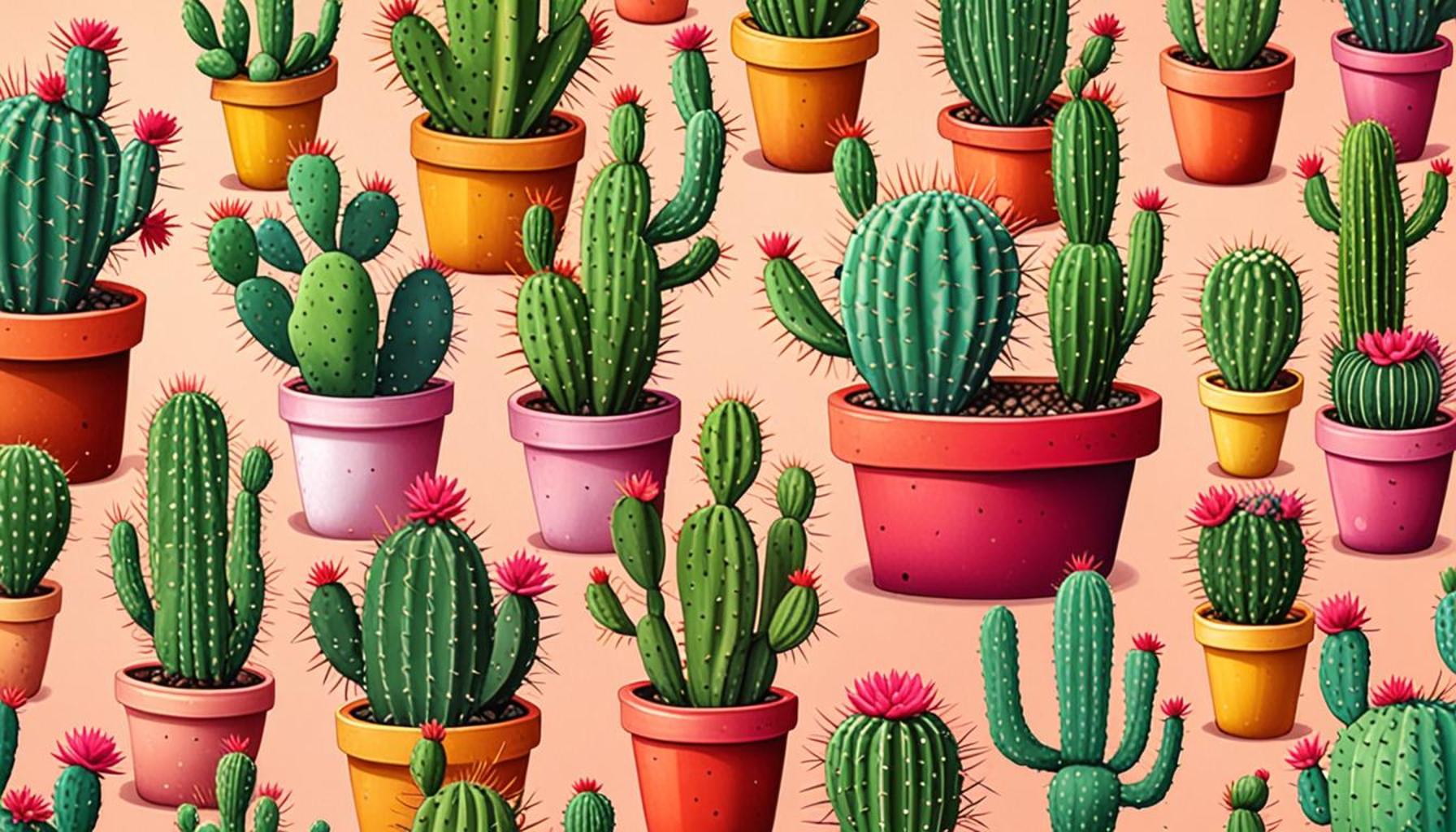
Discover the World of Cacti
If you’re looking to add some unique greenery to your home, cacti offer an exciting and low-maintenance option. These resilient plants thrive in a variety of environments, making them an excellent choice for both novice and experienced gardeners. With numerous species available, you can easily find cacti that suit your aesthetic and care preferences.
Why Choose Cacti?
- Diverse Species: The world of cacti is vast and captivating. From the small and whimsical Echinopsis, often adorned with stunning, cup-shaped flowers, to the towering Cereus, which can reach towering heights in the wild, the variety is striking. You might also explore the Ferocactus, known for its ribbed shape and striking spines, or Opuntia, commonly called prickly pear, famous for its edible pads and fruits.
- Low Maintenance: Most cacti require minimal watering and care, which is perfect for busy lifestyles. This mighty plant can withstand periods of neglect and thrive in harsh conditions, distinguishing it as a survivor in the plant kingdom. For instance, some species, like the Astrophytum, can go weeks without water, making them ideal for those who often forget to tend to their plants.
- Air Purifying: Beyond aesthetics, these plants improve indoor air quality, contributing to a healthier living space. Cacti, like other succulents, absorb carbon dioxide and release oxygen, aiding in the purification of air, which is increasingly important in today’s urban environments filled with pollutants.
Understanding how to care for these special specimens is crucial. Each species has unique requirements regarding water, light, and temperature. Most cacti thrive in well-drained soil and require plenty of natural sunlight, but there are exceptions. For instance, some shade-tolerant species can grow beautifully indoors, making them adaptable to various living spaces.
Essential Care Tips
- Watering: When it comes to watering, less is more; cacti prefer their soil dry. A general rule of thumb is to water your cactus only when the soil has completely dried out, which not only prevents overwatering but also encourages deep root growth.
- Light Requirements: Ensure they receive bright, indirect light for optimal growth. An east or west-facing window typically provides the right amount of light, while a south-facing window can be too intense for some delicate species.
- Fertilization: To promote healthy growth, consider using a diluted cactus fertilizer during the growing season. These nutrient-rich fertilizers support blooming and overall vitality, enhancing the visual appeal of your plants.
In this article, we’ll delve deeper into identifying various cacti species and their specific care requirements, transforming you from a beginner to a cactus connoisseur. By learning the nuances of cactus care, you not only enrich your home environment but also embrace a fascinating aspect of gardening that can bring joy and tranquility into your life.
DIVE DEEPER: Click here to discover the power of companion plants
Getting to Know Cacti: Varieties and Characteristics
As you embark on your journey into the captivating realm of cacti, it’s beneficial to familiarize yourself with some of the most popular species available. Each of these plants showcases unique characteristics and comes with its own set of care requirements. Here are a few standout species that can serve as excellent starting points for beginners:
- Golden Barrel Cactus (Echinocactus grusonii): Renowned for its striking, rounded shape and golden spines, this cactus is a true eye-catcher. It typically grows to about three feet tall and thrives in bright sunlight, making it perfect for a sunny windowsill.
- Christmas Cactus (Schlumbergera): Unlike traditional cacti, this species prefers a more humid environment. With its vibrant pink and purple blooms during the holiday season, it adds a festive touch to any home. This plant does well in indirect sunlight and requires a bit more frequent watering, especially during its blooming period.
- Prickly Pear (Opuntia): This species is fascinating not only for its distinct flattened pads but also for its edible fruit, known as “tunas.” Prickly pears require full sun and well-draining soil. They thrive in dry environments, making them a perfect choice for xeriscaping.
- Moon Cactus (Gymnocalycium mihanovichii): A unique hybrid, the moon cactus features a colorful top grafted onto a more traditional green base. Its vibrant colors range from bright pink to yellow and require bright, indirect light. They prefer to dry out between waterings and make delightful additions to any collection.
Understanding the specific traits of each of these cacti will not only help you decide which species best matches your style but also simplify their care. Remember, while some species may look similar, their needs can vary widely. Researching individual cacti before purchasing can save time and potential heartbreak.
Creating the Perfect Environment
To successfully cultivate cacti, creating the right environment is paramount. Lighting, temperature, and soil conditions all play critical roles in their health and growth. Here are some key factors to consider:
- Lighting: Most cacti prefer bright, full sunlight for several hours a day. However, some species may require protection from scorching afternoon rays. Placing your cactus near a window with filtered light can enhance its vitality while preventing sunburn.
- Temperature: Cacti thrive in warm environments and generally prefer temperatures between 70°F and 100°F during the growing season. During the winter months, many species benefit from a cooler period, where temperatures dip slightly.
- Soil Type: Choosing the right soil mixture is crucial for promoting drainage. Cactus soil or a mix of potting soil with sand or perlite can provide an ideal foundation, ensuring your plants do not sit in excess moisture.
As you delve into the exciting world of cacti, gaining a deeper understanding of their unique characteristics and needs will empower you to care for them properly. With minimal effort, these remarkable plants can thrive and contribute a touch of the wild to your indoor space. Stay tuned as we share more tips and species to explore, helping you transition from a casual plant lover to a knowledgeable cactus enthusiast.
Cacti for Beginners: Cultivating Diverse Species and Their Special Care
Cacti are often applauded for their resilience and unique beauty, making them an excellent choice for both novice and seasoned plant enthusiasts. As we delve deeper into the world of these fascinating plants, it’s essential to understand the immense variety of species available, each with its own specific care requirements.
For beginners, it’s crucial to start with the right selection of cacti that are forgiving and easy to maintain. Popular choices include the Golden Barrel Cactus (Echinocactus grusonii) and the Christmas Cactus (Schlumbergera). These varieties not only add aesthetic value but also come with lower care demands, paving the way for a successful cactus cultivation journey.
A significant aspect of successful cacti care revolves around understanding their watering needs. Cacti thrive in dry, arid environments, requiring less frequent watering than other houseplants. Overwatering is a common mistake that can lead to root rot, so it’s essential to allow the soil to dry completely between waterings.
Furthermore, lighting plays a pivotal role in their growth. Most cacti prefer bright, indirect sunlight, while some may also tolerate direct exposure. Positioning your cacti near a south or west-facing window can ensure they receive adequate light, promoting healthy growth and vibrant colors.
Equally important is the choice of soil. A well-draining soil mix specifically designed for cacti is recommended, helping to prevent water retention around the roots. Adding materials such as pumice or perlite can enhance drainage, mimicking their natural habitat.
Lastly, fostering a keen awareness of pest issues will serve beginners well. Common pests such as mealybugs and spider mites can affect cacti but can be managed effectively through regular inspections and careful treatment with appropriate solutions.
As one embarks on the journey of cultivating cacti, embracing the nuances of these stunning plants can lead to rewarding experiences, transforming any space into a vibrant oasis brimming with character.
| Category 1 | Category 2 |
|---|---|
| Easy-to-Grow Species | Golden Barrel Cactus and Christmas Cactus are great for beginners due to lower maintenance needs. |
| Watering Techniques | Allow soil to fully dry before watering to prevent root rot and ensure plant health. |
DISCOVER: Click here to learn about soil types for your gardening journey
Nurturing Your Cactus: Essential Care Tips
Caring for cacti is a rewarding experience that requires a blend of knowledge and attention to detail. Unlike more demanding houseplants, cacti are relatively low-maintenance, but they do have specific needs that promote their growth and longevity. Let’s delve into some essential care practices to help your cacti thrive.
Watering Wisely
One of the key aspects of cactus care is understanding watering practices. Cacti are adapted to arid environments, which makes overwatering a common mistake among new enthusiasts. Here’s how to get it right:
- Frequency: Water your cacti sparingly, allowing the soil to dry out completely between waterings. During the active growth phase (spring and summer), most species benefit from watering every two to four weeks, while in the winter, reduce watering to once a month or even less.
- Method: It’s best to apply water directly to the soil rather than on the cactus itself. This prevents rot and ensures the roots receive adequate moisture. A soak-and-dry method, where pots are submerged in water until thoroughly saturated, can also be effective.
- Signs of Trouble: Look for signs of stress, such as wrinkling or discoloration. This can indicate either over or underwatering. Adjust your care accordingly, and ensure that your pots have drainage holes to prevent standing water.
Fertilizing for Growth
Although cacti are not heavy feeders, proper fertilization can enhance their growth and flowering potential. Here’s how to incorporate fertilizers into your cactus care routine:
- Type of Fertilizer: Choose a cactus-specific fertilizer or a balanced liquid fertilizer diluted to half strength. Fertilizing during the active growing season (spring and summer) helps provide essential nutrients.
- Frequency: Apply fertilizer every four to six weeks during the growing months. In the fall and winter, cease fertilization as cacti enter dormancy.
Pest Management
As resilient as they are, cacti can still fall prey to pests. Identifying and managing pests early on is crucial for maintaining the health of your plants:
- Common Pests: Watch for mealybugs, spider mites, and scale insects. These pests can cause damage to your cacti by sucking sap and can lead to stunted growth.
- Management Techniques: Remove pests manually with a soft brush or wipe with a cotton swab dipped in rubbing alcohol. For larger infestations, insecticidal soap or neem oil can help control the issue.
Repotting Your Cacti
As cacti grow, repotting becomes necessary. Understanding when and how to repot is important for their health:
- When to Repot: Signs that your cactus needs repotting include roots protruding from the drainage holes, stunted growth, or soil that dries out too quickly.
- How to Repot: Carefully remove the cactus from its pot and shake off excess soil. Place it in a pot that is one size larger filled with fresh cactus mix. Avoid deep planting, as cacti should be at the same soil level they were growing previously.
By following these essential care tips, you can cultivate your cacti confidently and skillfully. Understanding the nuances of water, light, soil, and pest management will enhance your experience as a cactus enthusiast, opening your eyes to the diverse and rewarding world of these incredible plants. Keep your cactus thriving, and stay tuned as we explore more captivating aspects of cactus care and selection!
DISCOVER MORE: Click here for tips on vertical gardening
Conclusion: Embracing the World of Cacti
As we conclude our journey into the realm of cacti, it’s clear that these fascinating plants offer more than just aesthetic appeal. With their striking forms and unique adaptations, cacti are ideal companions for both novice gardeners and seasoned plant enthusiasts alike. Each species presents its own array of colors, sizes, and textures, inviting you to explore a world that thrives in diversity.
By mastering the essential care tips outlined in this article, from wisely managing watering practices to understanding the subtleties of fertilizing and pest management, you equip yourself with the knowledge to cultivate a thriving cactus collection. Nurturing these resilient plants not only enhances your living spaces but also inspires a deeper appreciation for nature’s ingenuity.
Moreover, as you cultivate your cacti, remember that the journey is about discovery as much as it is about maintaining beauty. Engaging with fellow cactus enthusiasts through social media groups or local clubs can foster connections and broaden your understanding of uncommon species and innovative care techniques. Likewise, consider visiting botanical gardens or specialty nurseries to gain firsthand insights into cacti from experts.
The world of cacti is a vibrant and enriching hobby that can offer tranquility and satisfaction, rewarding your patience and care with the stunning blooms and shapes of this remarkable plant family. So, roll up your sleeves and dive into the adventure of cactus cultivation – a venture where each little green spire has a story waiting to unfold!