Menu

How to Create an Efficient Irrigation Schedule for Your Home Garden

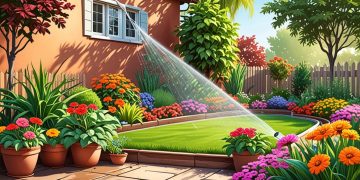
Discover how to create an efficient irrigation schedule for your home garden by understanding your plants' unique needs, assessing soil types, and leveraging technology. Tailor watering times and methods to conserve water and promote healthy growth, ensuring a vibrant and sustainable garden throughout the seasons.

Irrigation Techniques for Different Types of Houseplants

Mastering irrigation techniques is essential for nurturing diverse houseplants. Each variety requires specific watering practices to thrive, from succulents needing infrequent hydration to tropical plants craving consistent moisture. By understanding their unique needs and employing advanced methods, you can enhance growth and vitality in your indoor garden.

How to Use Technology to Monitor and Optimize Irrigation in Your Home Garden

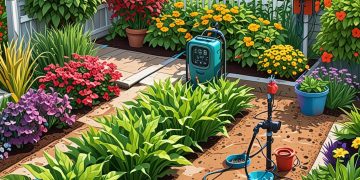
Explore how integrating technology can enhance irrigation in your home garden. Smart soil moisture sensors, automated watering systems, and mobile applications foster efficient water conservation and plant health. Embrace eco-friendly practices through innovative irrigation solutions, ensuring a thriving, sustainable garden while saving time and resources.

How to Choose Indoor Plants for Low Light Environments

Discover how to select indoor plants suited for low light environments, transforming your home into a vibrant sanctuary. Learn about resilient species like Snake Plants, Pothos, and ZZ Plants that thrive in low light, and master essential care tips for maintaining a flourishing indoor garden while enhancing your space’s ambiance and air quality.

Understanding Integrated Pest Management (IPM) Strategies for Home Gardens

Discover effective Integrated Pest Management (IPM) strategies for your home garden, focusing on sustainable pest control. Learn key methods like monitoring, prevention, and biological controls that promote plant health while minimizing environmental impact. Embrace eco-friendly practices to cultivate a thriving and balanced garden ecosystem.

Natural Barriers: Using Physical Methods to Protect Your Garden from Pests

Discover eco-friendly pest protection methods through natural barriers in gardening. These physical strategies, such as row covers and companion planting, safeguard plants while promoting biodiversity and sustainable practices. Embrace innovative approaches that shield your garden from pests and enhance its resilience, all without harmful chemicals.

Identifying Common Pests in Home Gardens and How to Combat Them

Maintaining a healthy home garden requires vigilance against common pests like aphids, spider mites, and Japanese beetles. Early detection and identification are crucial for effective combat strategies, including organic solutions and beneficial insects. Understanding pest behaviors fosters a thriving garden ecosystem while minimizing environmental impact.

The Role of Beneficial Insects in Pest Management for Beginner Gardeners

Discover how beneficial insects are essential allies for beginner gardeners in effective pest management. By understanding their roles in natural pest control and pollination, you can create a thriving garden ecosystem. Implementing strategies to attract these insects will enhance biodiversity, soil health, and overall plant productivity.

The Best Types of Plants for Gardening Beginners

Embarking on a gardening journey can be rewarding for beginners when choosing easy-care plants. Opt for resilient options like herbs, marigolds, and snap peas that thrive with minimal maintenance. Understanding basic plant care ensures success, allowing new gardeners to enjoy vibrant growth while connecting with nature.

Using Essential Oils as Natural Pest Repellents in Home Gardens

Home gardening enthusiasts are embracing essential oils as natural pest repellents, providing an eco-friendly alternative to synthetic pesticides. These biodegradable oils, such as peppermint and lavender, not only deter pests but also enhance plant health. Integrating essential oils into gardening routines fosters a vibrant, resilient garden while promoting environmental stewardship.