How to Use Technology to Monitor and Optimize Irrigation in Your Home Garden
The Intersection of Technology and Gardening
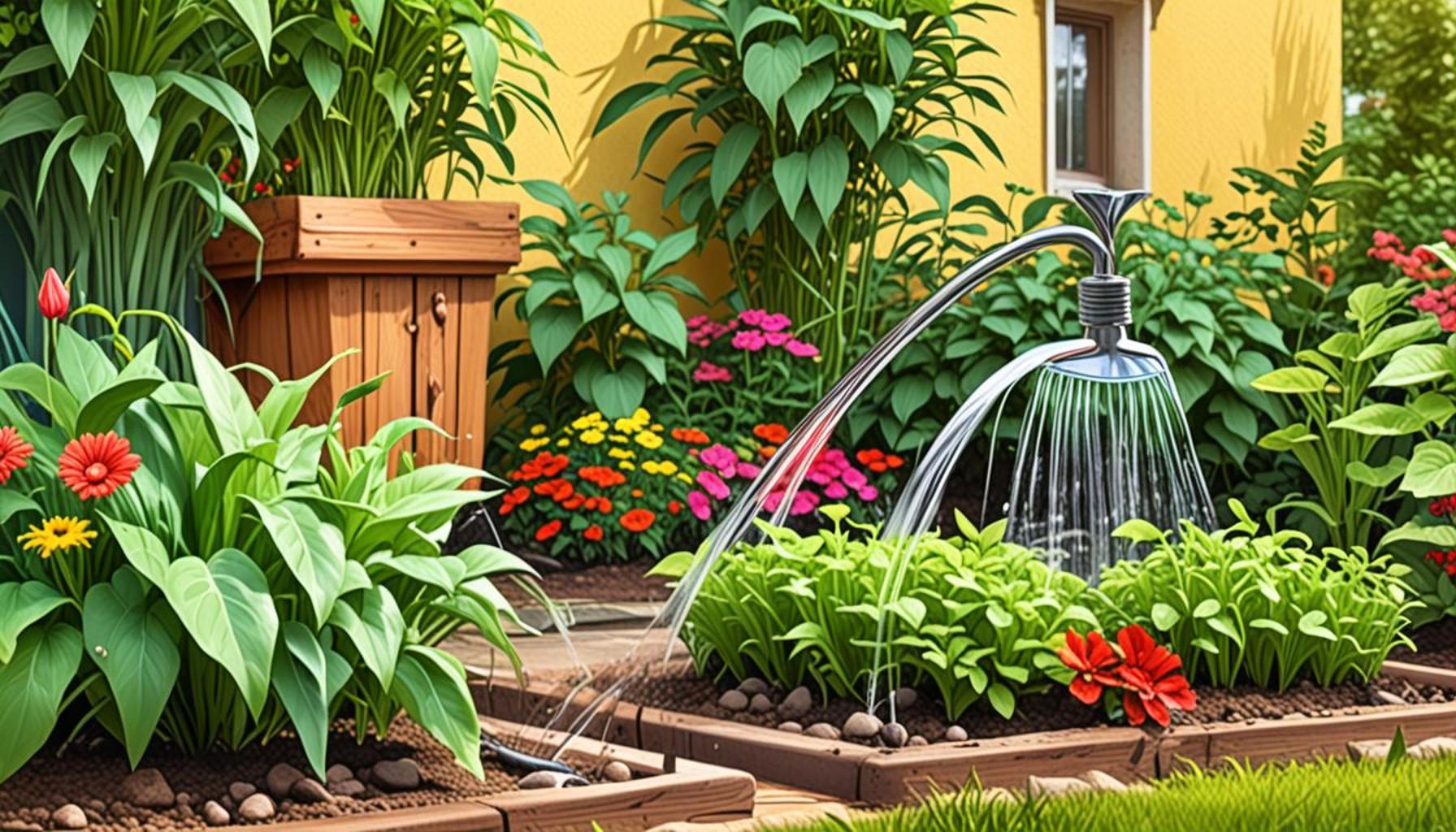
As water scarcity becomes a pressing issue across various regions of the United States, the need for efficient irrigation methods has never been more crucial. By utilizing technology, homeowners can not only optimize their garden’s health but also contribute to broader water conservation efforts. This technological integration is transforming traditional gardening into a more sustainable and smart practice.
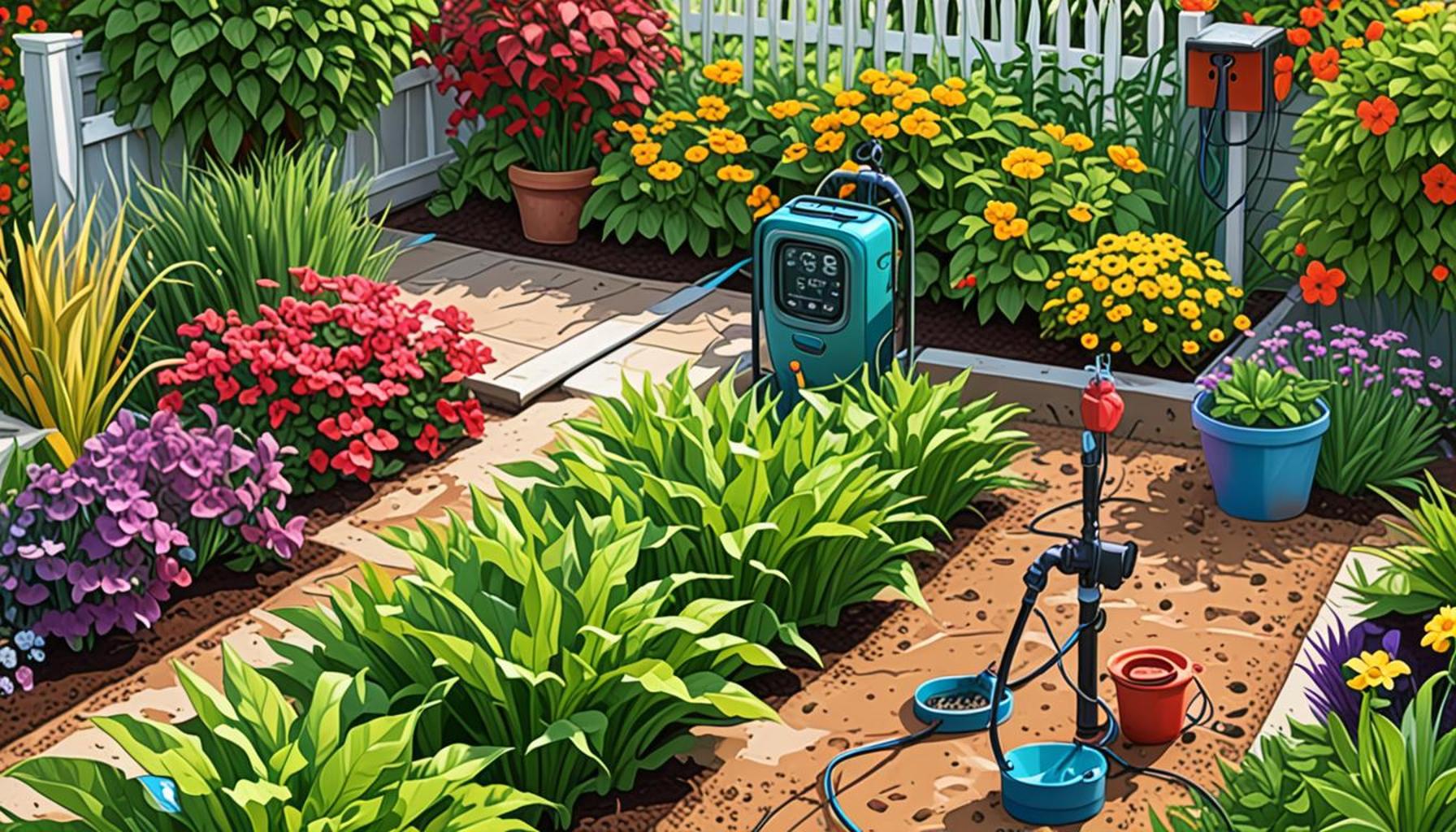
One of the most significant innovations in the realm of irrigation is the development of smart soil moisture sensors. These devices can be placed directly into the ground and utilize advanced technology to monitor moisture levels in real-time. For instance, companies such as Xiaomi have developed affordable moisture sensors that connect to your smartphone, sending alerts when your soil is either too dry or overly saturated. This empowers gardeners to make informed decisions about when to water, preventing both under-watering and over-watering.
Furthermore, the automation of watering systems has been revolutionized by smart irrigation controllers. These devices can be programmed with specific watering schedules, which can then be adjusted based on local weather conditions. For example, systems like Rachio utilize hyper-local weather data to determine if rain is forecasted, thus automatically skipping scheduled watering if precipitation is expected. This feature not only enhances plant health but also conserves water, as it prevents unnecessary watering in rainy conditions.
The convenience of technology doesn’t stop at moisture sensors and automated systems. Accessing data remotely via smartphone applications has become a game changer for garden management. Users can control their irrigation systems from virtually anywhere, adjusting settings to suit their garden’s needs whether at home or on vacation. This flexibility not only enhances the gardening experience but also promotes greater success, as gardeners can respond quickly to changing environmental conditions.
The integration of technology in your garden presents several notable advantages. Water conservation is undoubtedly one of the most impactful; efficient irrigation systems ensure that water, a vital resource, is used wisely. Moreover, the time efficiency that comes with automation means that homeowners can allocate more time to enjoy their gardens or tackle other gardening tasks, rather than spending hours managing irrigation manually.
Lastly, the benefits extend to the improved health of your plants. By ensuring a consistent watering schedule, plants can thrive, showing increased vitality and growth. Healthy plants not only enhance the aesthetic appeal of your garden but also contribute positively to the local ecosystem, supporting beneficial insects and wildlife.
With advances in smart home technology continuing to evolve, now presents an excellent opportunity for gardeners to explore these innovative solutions. Embracing the fusion of technology and gardening can lead to a flourishing home garden that is both beautiful and sustainable throughout the changing seasons. Imagine stepping out into a garden that not only brims with life but also exemplifies your commitment to responsible gardening practices—this vision can become your reality with the right technological tools.
DISCOVER MORE: Click here to learn about essential post-harvest care
Embracing Smart Irrigation Technology
In the quest for a thriving home garden, understanding the essentials of irrigation technology is paramount. As advancements in technology continue to reshape our approach to gardening, several tools and strategies stand out as essential for today’s eco-conscious gardener. Leveraging these innovations not only promotes plant health but also aligns with sustainable practices that address water conservation.
One of the first steps to optimizing your irrigation process is utilizing smart irrigation systems. These systems combine various technologies to ensure that plants receive the precise amount of water necessary for their growth. Enhanced with features such as weather forecasting integration and advanced scheduling capabilities, smart irrigation systems can dramatically reduce water waste while enhancing the vitality of your garden. Some of the leading products, such as the Orbit B-hyve and Hunter Hydrawise, not only automate watering schedules but can adapt in real-time based on current weather conditions.
Here are several key features to explore when considering smart irrigation systems:
- Real-Time Weather Data: Many smart irrigation controllers are equipped to pull in real-time data from local weather stations. This functionality allows them to skip watering sessions if rain is anticipated, ultimately conserving water.
- Customizable Zones: By dividing your garden into irrigation zones for different plant types or microclimates, you can tailor water distribution to meet specific needs, ensuring that each plant thrives.
- Soil Moisture Monitoring: Some advanced systems include soil moisture sensors that track the sodium and nutrient balance in your soil, adjusting the watering schedule based on the detected moisture levels.
While smart irrigation systems provide the backbone for effective water management, enhancing your garden with drip irrigation techniques can amplify their effectiveness. Drip irrigation delivers water directly to the plant’s roots, minimizing evaporation and runoff. This method is particularly beneficial in areas with sandy or well-draining soils, where traditional sprinklers may lead to significant water loss.
Alongside these systems, monitoring technology plays a critical role in ensuring optimal hydration levels. For instance, soil sensors can be paired with mobile applications that allow gardeners to view real-time data on moisture levels directly from their smartphones. This capability enhances a gardener’s ability to react quickly to changing conditions, ensuring consistent care regardless of weather changes or personal schedules.
Another layer of technology enhancing home gardens is the use of smart plant sensors. Not only do these gadgets monitor soil moisture, but they also assess light, temperature, and nutrient levels, providing a comprehensive health report for your plants. By integrating sensors such as the Parrot Flower Power or Xiaomi’s Smart Flower Pot, you can gain insights that allow you to make informed decisions about watering and care, thereby optimizing overall plant health.
Utilizing technology in your garden is not just a trend; it is a necessary evolution for modern gardeners. As the climate becomes increasingly unpredictable, the ability to monitor and optimize irrigation via advanced technology is invaluable for conserving resources while cultivating a flourishing garden.
| Advantage | Description |
|---|---|
| Automated Systems | Utilizing smart sensors for real-time monitoring enables consistent water supply tailored to the plants’ needs. |
| Data Analytics | Collecting data on soil moisture and climatic conditions helps gardeners make informed decisions that enhance garden health. |
| Cost Efficiency | Optimizing water usage through technology can significantly reduce water bills and save resources. |
| Remote Monitoring | Managing irrigation systems from mobile apps enables quick adjustments from anywhere, promoting convenience. |
As we delve deeper into the world of modern gardening, the integration of technology to monitor and optimize irrigation yields exhilarating potential. By leveraging automated systems, gardeners can ensure a granular control over water distribution, which helps eliminate waste and sustains plant health. Innovative sensors continuously assess soil moisture levels and weather influences, pushing data directly to users’ devices.Moreover, the role of data analytics in optimizing irrigation cannot be overstated. With a reservoir of insights at hand, gardeners can analyze patterns and adjust their irrigation strategies accordingly. The increased efficiency within this system not only helps in conserving water but also leads to significant financial savings on water usage.The rise of smart technology, coupled with user-friendly mobile applications, introduces a level of accessibility that fosters deeper engagement with home gardens. As you consider the implementation of these technologies, envision not just a garden, but an ecosystem thriving under precision and care, setting the stage for a lush and flourishing green space.
DIVE DEEPER: Click here to discover sustainable harvesting techniques
Integrating Advanced Sensors and Automation
As your irrigation system evolves, integrating advanced sensors can take your home garden’s hydration strategy to new heights. These sensors not only provide real-time data on moisture levels but also assess a variety of environmental factors that can significantly influence your garden’s health. For instance, temperature sensors can give you insights into several microclimates within your garden, allowing for more precise irrigation plans that cater to varying conditions.
One popular sensor option is the Netro Smart Sprinkler Controller, which utilizes machine learning to propose watering schedules based on local weather forecasts and site conditions. Such controllers send alerts via smartphone apps, informing you if the plants are receiving adequate water or if adjustments need to be made due to unexpected heat waves or rain showers. By harnessing these tools, you’ll never leave your plants in a drought or flooded condition again.
Taking a Data-Driven Approach to Irrigation
Another way to optimize your garden’s irrigation is through the adoption of data analytics. Leveraging technologies like IoT (Internet of Things) allows for the collection of vast amounts of data on plant health, soil conditions, and climatic variations over time. This data can be invaluable in predicting water needs and refining your irrigation strategies further.
For instance, several garden management software options, such as Garden Manager or SmartGardener, offer analytics tools that process this data to help you identify watering patterns or trouble spots within your garden that may need extra care or modification in your irrigation plan. These platforms also allow you to log seasonal variations, which helps in planning future planting and watering schedules effectively.
Remote Monitoring for Reliable Management
In today’s fast-paced lifestyle, having the ability to monitor your garden from a distance can be a game-changer. Smart irrigation systems equipped with mobile applications provide a seamless way to oversee your irrigation setup remotely. Many systems allow for the adjustment of schedules, monitoring moisture levels, and even receiving notifications regarding equipment performance or alerts on potential system malfunctions. For example, systems like Rachio enable you to control your watering practices from anywhere, be it at work or on vacation, ensuring that your garden remains healthy and hydrated without constant oversight.
Moreover, connecting with online gardening communities can provide additional knowledge and support in utilizing such technologies. Platforms like GardenWeb or Reddit’s r/gardening can serve as valuable resources for troubleshooting and discovering new tools that other gardeners have had success with, making it easier to stay updated on the best practices in smart irrigation.
Eco-Friendly Watering Practices
Using technology doesn’t solely revolve around efficiency; it can also pivot toward sustainability. Many modern irrigation technologies not only reduce water usage but also minimize pesticide and fertilizer runoff by allowing for more targeted application methods. By integrating systems that adhere to best practices in water conservation, you’re not just optimizing your own garden’s performance; you’re contributing to broader environmental efforts as well.
The conscious use of resources is becoming increasingly crucial as climate change continues to push our ecosystems to their limits. With the unique blends of sensors, data analytics, and advanced scheduling capabilities present in modern irrigation technology, conscientious gardening is within reach for anyone eager to cultivate a vibrant garden while supporting sustainability efforts.
DIVE DEEPER: Click here to learn about crop rotation and pest management
Conclusion
Incorporating technology into your home garden’s irrigation practices is not just a trend; it’s a transformative approach that can yield remarkable benefits. By leveraging advanced sensors, data analytics, and remote monitoring tools, you can efficiently manage water resources, adapting to the varying needs of your plants while also contributing to environmental sustainability. These technologies empower you to stay informed about your garden’s health, ensuring that you never miss essential watering opportunities or overwater vulnerable sections.
Furthermore, as climate challenges intensify, embracing eco-friendly irrigation solutions becomes crucial for every gardener. The integration of smart irrigation systems can significantly reduce water waste, diminish fertilizer runoff, and, ultimately, create a thriving ecosystem within your garden. Platforms like Garden Manager and community forums such as Reddit’s r/gardening are treasure troves of information, offering real-time advice and innovations that can enhance your gardening experience.
As you explore the available technologies, consider how they can align with your sustainability goals while fostering a lush, healthy environment. With an increasing array of smart tools at your disposal, the future of gardening is not only bright but also sustainable. The journey to a pristine garden is at your fingertips—embrace technology and watch your gardening efforts flourish like never before.