How to Create an Efficient Irrigation Schedule for Your Home Garden
Understanding Effective Irrigation for Your Garden
For garden enthusiasts, the vitality of plants often rests on a foundation of effective irrigation techniques. A well-thought-out irrigation schedule can be the difference between a wilting landscape and a lush oasis. The key lies in understanding the unique needs of your plants and available resources. How can you ensure that every blossom, vegetable, and shrub receives the appropriate amount of water? Let’s explore the fundamental building blocks of a successful irrigation strategy.
Assessing Your Garden Conditions
Effective irrigation begins with a thorough assessment of your garden’s environment. Climate plays a pivotal role in determining how much and how often you should water your plants. For instance, gardeners in Florida often contend with high humidity and consistent rainfall, while those in California face prolonged dry spells. Understanding your regional climate patterns enables you to adjust your watering schedule accordingly, ensuring that you address both excess moisture and drought conditions.
- Soil Type: The nature of your soil greatly influences water retention. Sandy soils, which drain quickly, may require more frequent watering than heavy clay soils that hold moisture for longer periods. Use a simple test to determine your soil type: take a handful of moistened soil and squeeze it into a ball. If it falls apart easily, you have sandy soil; if it holds its shape, it’s likely clay.
- Plant Variety: Different plants come with their own set of water requirements. For instance, succulents are drought-resistant and thrive on minimal watering, while leafy greens like spinach or lettuce prefer consistently moist conditions. Incorporating a mix of plant types may necessitate varied irrigation methods to satisfy their distinct needs.
By analyzing these factors, you can craft a personalized irrigation plan that caters to the requirements of your unique garden. Consider creating zones based on the water needs of your plants, allowing for targeted watering. Additionally, adding organic mulch can help retain moisture in the soil, reducing the frequency of watering.
The Art of Watering
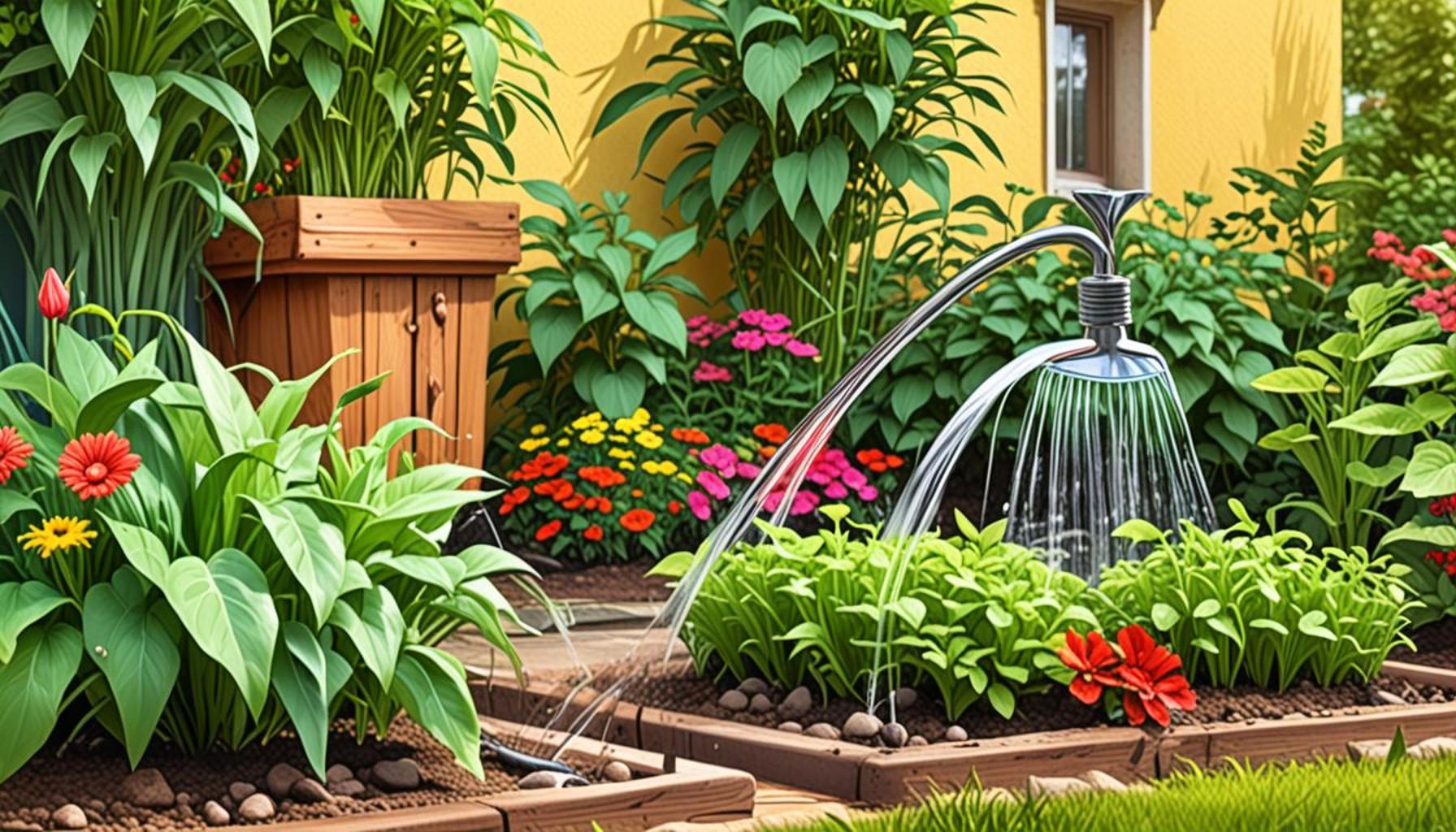
An effective irrigation schedule not only promotes plant health but also conserves water, a precious resource. Employing techniques like drip irrigation or soaker hoses can deliver water directly to the roots, minimizing waste. You might also consider adjusting your watering times; early morning or late afternoon are ideal for reducing evaporation and ensuring water penetrates deep into the soil.
As you begin to implement these strategies, you’ll likely find that the art of watering becomes an integral part of your gardening experience. The joy of nurturing thriving plants, enriched by an efficient irrigation routine, will enhance both your outdoor space and your connection to nature. Get ready to unlock the secrets to a flourishing garden and witness the transformation of your green sanctuary!
DISCOVER MORE: Click here for the best harvesting tips
Crafting the Perfect Irrigation Schedule
Creating an efficient irrigation schedule is a critical element of successful gardening that many enthusiasts often overlook. This not only ensures that your plants thrive but also conserves water, a vital resource that is increasingly becoming scarce. To get started, establishing a baseline watering schedule is essential. Begin by considering the growing season of your plants. Annual flowering plants and vegetable gardens usually demand more water during their peak growing periods, typically in the spring and summer, while perennials may require less attention in favor of their dormancy. Take note of flowering times, expected rainfall, and temperature fluctuations to adjust your watering routine accordingly.
Developing a Watering Frequency
The frequency of watering can greatly affect plant health. Here are key factors to consider when determining how often to water:
- Evapotranspiration Rates: Evapotranspiration is the sum of evaporation from the land and transpiration from plants. Many resources, including local agricultural extensions, provide evapotranspiration data specific to your region. This information can guide you in assessing how much more water your garden needs during hot, dry conditions.
- Seasonal Changes: As seasons change, so do plants’ water requirements. For example, during the peak summer months, you might need to water your garden every other day, while in the cooler months, weekly watering might suffice.
- Soil Moisture Monitoring: Implementing soil moisture sensors can help determine water levels in your garden. Utilizing these devices allows you to monitor when your plants genuinely need hydration, preventing overwatering.
By taking these factors into consideration, you can create a dynamic irrigation schedule that adjusts to varying conditions rather than sticking to a rigid timetable. This flexibility ensures that your plants not only survive but truly flourish, leading to a vibrant and diverse garden.
Timing Your Watering Wisely
Choosing the right time to water is just as crucial as deciding how much to water. Early mornings are often recommended as the best time for irrigation. During these hours, temperatures are cooler, minimizing evaporation and allowing water to soak into the soil efficiently. Conversely, watering during the heat of the day can lead to significant water loss through evaporation, diminishing your efforts and wasting this precious resource.
Additionally, understanding your garden’s layout plays a crucial role in timing. If you have shaded areas that retain moisture longer than sunlit spots, tailor your schedule accordingly, ensuring all plants receive equitable hydration. Observing how your landscape responds over time will lead you to make informed adjustments, ultimately enhancing the health and vibrancy of your garden.
With these foundational elements of an efficient irrigation schedule in mind, you’re well on your way to nurturing a beautiful and thriving home garden. Remember, a successful plan is one that evolves with the changing needs of your plants and the environment.
Tips for Developing Your Irrigation Schedule
Creating an efficient irrigation schedule is not just about the timing of water release; it encompasses various factors including plant types, weather conditions, and the unique layout of your garden. Here are some strategic tips to help you fine-tune your watering routine:
Understanding Soil Types
Different soil types exhibit different absorption rates. Clay soils retain moisture much longer than sandy soils, which drain quickly. Knowing your soil type allows for tailored watering, avoiding overwatering in heavy soils and under-watering in sandy ones.
Time of Day Matters
Watering early in the morning or late in the evening minimizes evaporation caused by sunlight and wind. Watering during these cooler times allows plants to absorb moisture more effectively while reducing the risk of fungal diseases.
Incorporate Rain Sensors
Modern technology has made it easier to create efficient gardening practices. Installing rain sensors can prevent your sprinkler system from turning on during rainy days, ensuring water conservation and lower utility bills.
Grouping Plants by Water Needs
Design your garden layout according to the water requirements of different plants. Grouping water-thirsty plants together allows for more efficient watering and ensures that all plants receive adequate moisture.
By applying these methods, you can significantly enhance the health of your plants while conserving resources. Regular monitoring and adjustments based on plant growth and weather fluctuations will ensure that your garden thrives season after season.
| Category 1 | Category 2 |
|---|---|
| Watering Schedule | Essential for maintaining optimal moisture levels. |
| Soil Considerations | Tailored irrigations based on soil type maximize effectiveness. |
DIVE DEEPER: Click here to uncover expert tips
Utilizing Technology for Smart Irrigation
In today’s digital age, leveraging technology can take your irrigation scheduling to new heights. With various devices and apps available, staying informed about your garden’s needs has never been easier. Smart irrigation systems are designed to automatically adjust watering schedules based on real-time data, providing timely hydration that aligns with environmental conditions.
Automated Irrigation Systems
Automated irrigation systems, such as drip irrigation and sprinkler systems, can be integrated with weather stations or soil moisture sensors. These systems are programmable, allowing you to set specific watering times, durations, and frequencies tailored to each plant’s needs. For instance, most drip systems deliver water slowly and directly to the soil, reducing evaporation and runoff, thereby conserving water significantly. Homeowners looking to enhance efficiency should consider installing a smart irrigation controller that can modify schedules based on local weather forecasts, soil moisture levels, and evapotranspiration data.
Mobile Applications and Monitoring
Mobile apps dedicated to gardening can also play a significant role in managing your irrigation schedule. Apps like Gardenia or Plant Watering Reminder help track plant watering requirements and send alerts when it’s time to water. Many even provide insights on rainfall patterns or upcoming weather changes to help you adjust your irrigation schedule proactively.
For those who prefer hands-on monitoring, investing in soil moisture sensors that connect to your smartphone can give you real-time updates about your garden’s hydration levels. Some models allow users to create zones within their gardens, ensuring that each area receives the exact amount of water needed according to its specific conditions. This technology not only maximizes efficiency but also fosters healthier plant growth.
Understanding Watering Techniques
Aside from timing and frequency, the method of watering can significantly influence the effectiveness of your irrigation schedule. It is crucial to consider traditional methods such as soaker hoses or watering cans for specific areas of your garden, especially where delicate or smaller plants are located. Soaker hoses can be particularly helpful in delivering water deep into the soil, encouraging strong root development while minimizing weed growth.
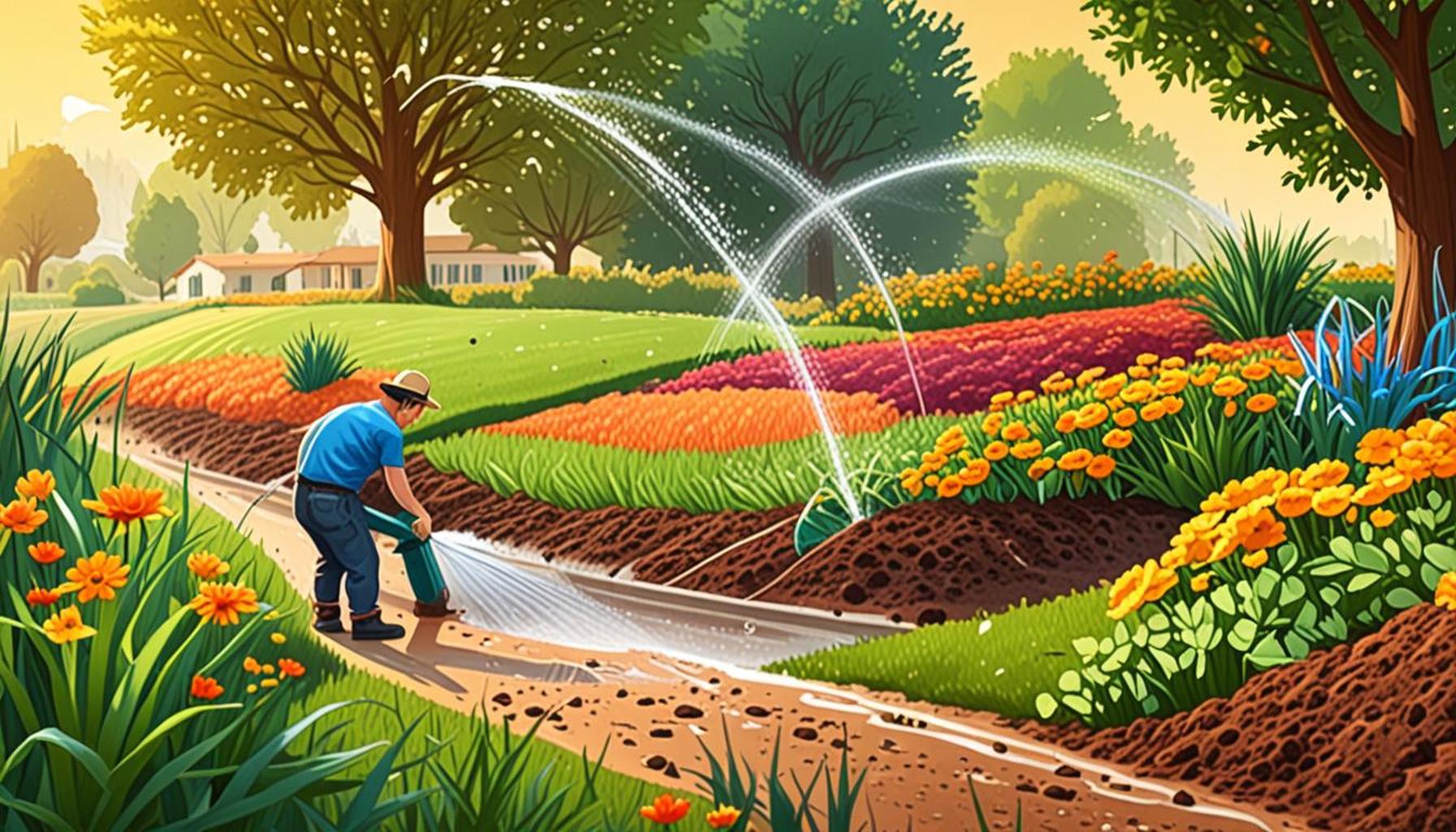
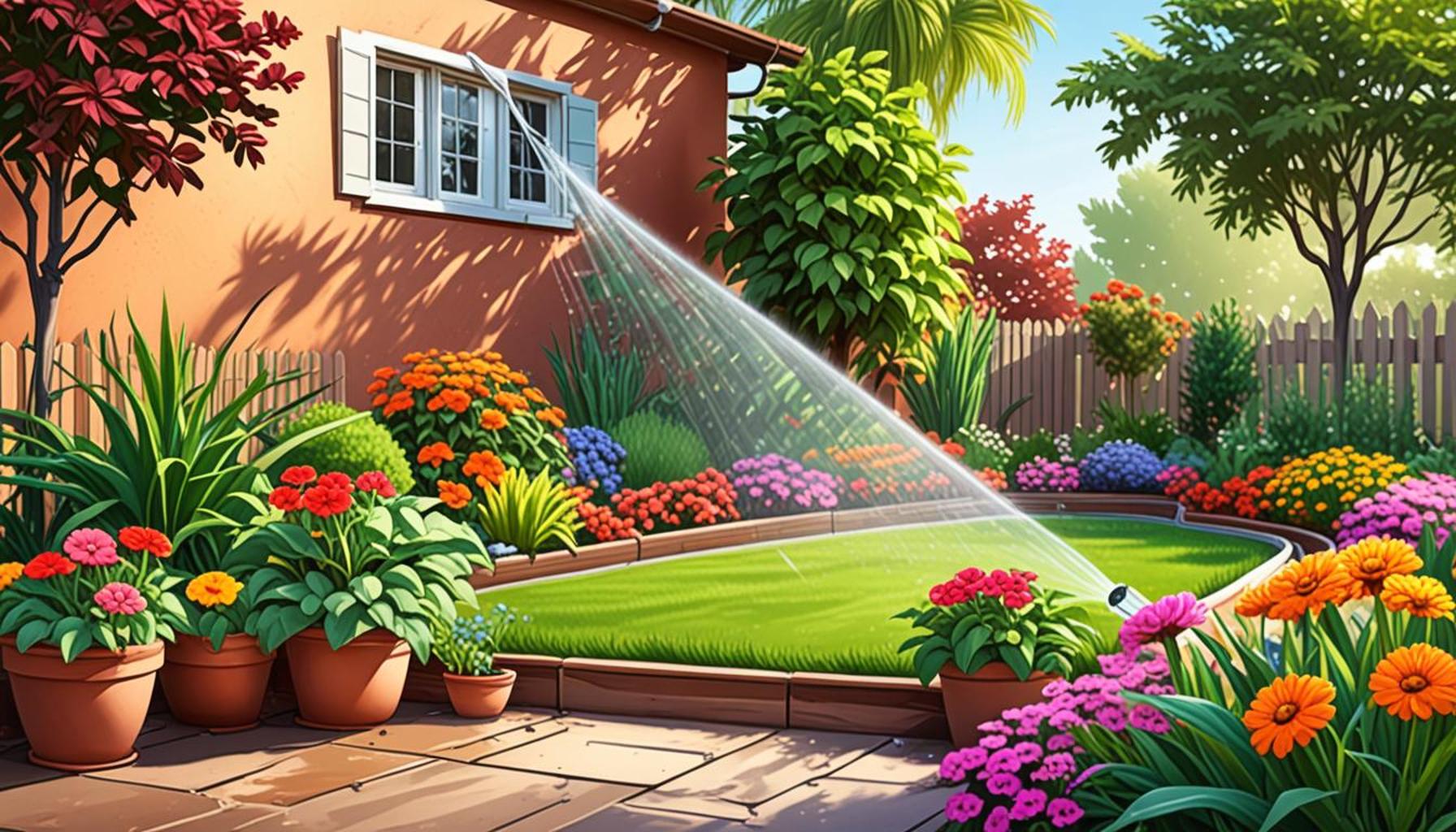
Conversely, traditional overhead sprinklers can be suitable for larger garden areas. However, they should ideally be used early in the morning or late in the evening to avoid evaporation losses. For everything from vegetable patches to flower beds, adopting a combination of these techniques can help maintain consistency in your irrigation approach while catering to diverse garden needs.
As water conservation becomes a pressing concern, taking advantage of technology and understanding various watering techniques empower gardeners to make a sustainable impact. Crafting an efficient irrigation schedule is not just about maintaining plant health but also about nurturing our environment and ensuring that we utilize resources wisely. Invest time in these methods, and your garden will be not only more efficient but more resilient against unpredictable weather and water shortages.
DISCOVER MORE: Click here for essential pest control tips
Conclusion
Creating an efficient irrigation schedule for your home garden is more than just a routine; it is a vital practice that can significantly enhance the overall health and productivity of your plants while conserving precious water resources. By understanding your garden’s specific needs and integrating automated irrigation systems with real-time adjustments, you can ensure that each plant receives an optimal amount of hydration, tailored to its individual requirements.
Incorporating smart technology further elevates your irrigation strategy. With the help of mobile applications and soil moisture sensors, you can monitor your garden’s hydration levels from the convenience of your smartphone, allowing for data-driven decisions that save time and effort. Furthermore, combining different watering techniques, such as soaker hoses and traditional sprinklers, maximizes efficiency while catering to diverse plant types and their respective watering needs.
Remember, a well-planned irrigation schedule not only results in flourishing green spaces but also promotes sustainable gardening practices that can make a positive impact on the environment. As climate patterns become more unpredictable, your proactive approach to irrigation will help safeguard your garden against potential challenges related to water availability.
In conclusion, investing time and effort in understanding and implementing an efficient irrigation schedule is a worthwhile endeavor. It empowers you as a gardener to foster resilience and sustainability in your home garden, paving the way for greener, more vibrant landscapes that thrive in harmony with nature. Dive deeper into the available technologies and techniques, and watch your garden flourish like never before!