The Importance of Socialization for Pet Well-Being Key Benefits
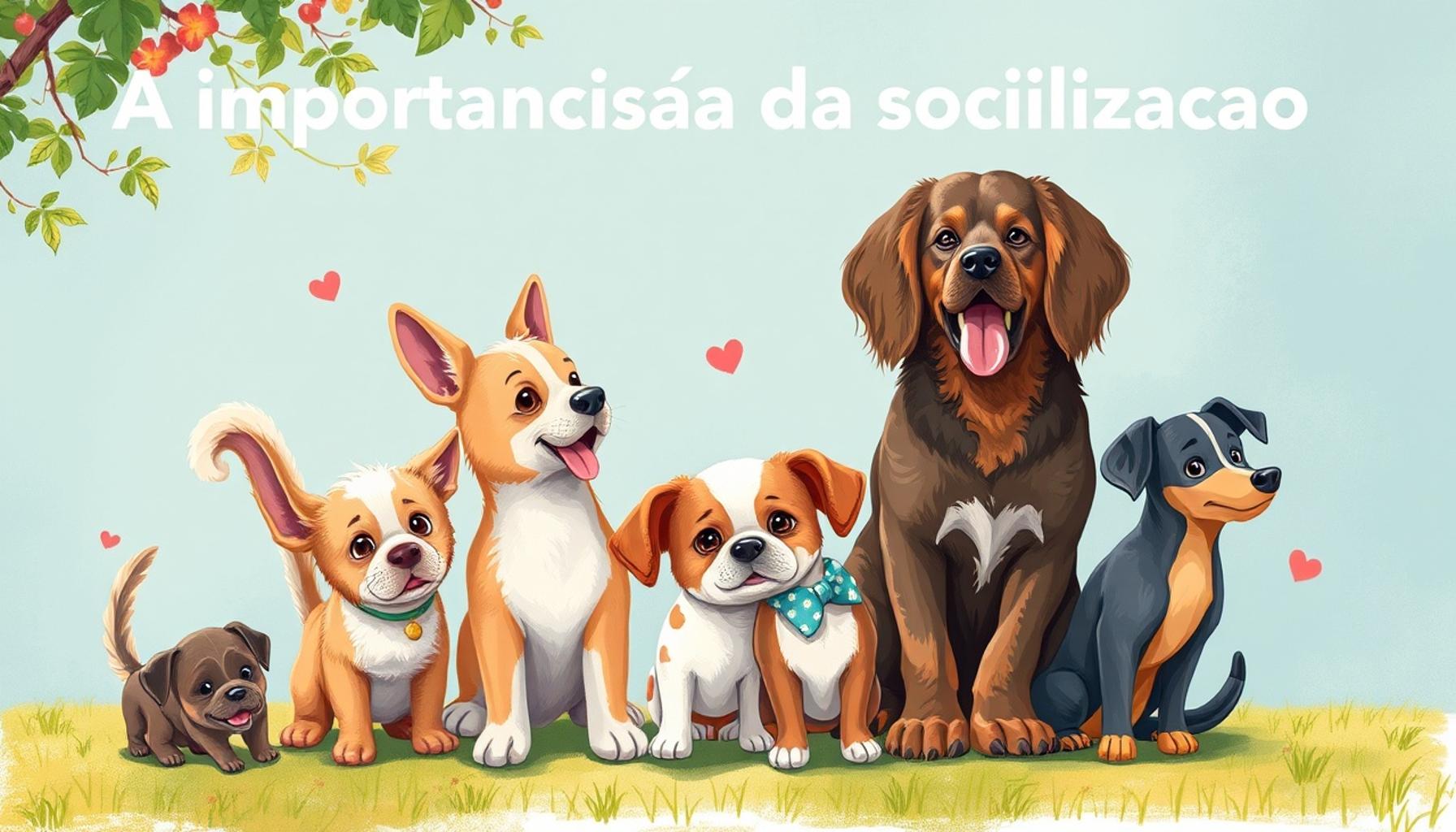
The Significance of Socialization for Pets
Socializing pets is a critical aspect of their overall well-being, profoundly influencing their behavior and happiness. Just like humans, pets benefit greatly when they interact with other animals and people. Through these interactions, they learn essential life skills such as cooperation and communication, which are vital for their mental and emotional health. Understanding the significance of socialization can lead to a happier, healthier, and more balanced life for your furry friends.
Benefits of Socialization for Pets
The rewards of socialization for pets are manifold, extending benefits beyond the pets themselves to their owners and the broader community. Let’s explore the top five benefits that socialization can bring.
- Improved Behavior: Pets that are well-socialized usually exhibit better behavior around both people and other animals. For instance, a dog that has been socialized is less likely to act aggressively or be overly fearful of new environments.
- Lowered Anxiety: Regular interactions with others can reduce anxiety levels in pets, making them more adaptable to changes. A cat that is frequently exposed to visitors might show less stress and hide less often during gatherings.
- Enhanced Mental Health: Engaging regularly with others can keep pets mentally stimulated, reducing the likelihood of boredom and associated destructive behaviors.
- Better Physical Health: Social interaction often involves physical activity, whether through playdates with other dogs or exploring new environments, contributing to the pet’s overall fitness and health.
- Enriched Owner-Pet Relationship: When pets are well-socialized, they tend to be more confident and composed. This makes outings and daily interactions more enjoyable for both the pet and the owner, strengthening their bond.
Practical Examples and Tips
Consider taking your dog to a dog park where they can meet and play with other dogs. Make sure to start socializing pets from a young age, as early interactions help shape their personalities. Puppy classes and controlled meet-ups with other pets are great starting points.
Join us as we delve into how nurturing social skills in your pets can pave the way for a fulfilling life for both them and you! Understanding these aspects will not only ensure a higher quality of life for your pet but also enrich your shared experiences and adventures.
Top 5: The Importance of Socialization for the Well-Being of Pets
Socialization is a crucial aspect of pet ownership that often goes overlooked. Understanding the significance of socializing our pets can dramatically improve their quality of life and foster a positive environment for both animals and their human companions. Below, we rank the top five reasons why socialization is essential for the well-being of your beloved animals. By exploring these benefits, you can make informed decisions to enhance your pet’s life, ensuring they thrive both physically and emotionally.
5. Reduces Anxiety and Fear
Socialization helps pets, especially dogs, to become accustomed to new experiences, people, and other animals. This exposure reduces anxiety and fear, which can lead to aggressive behavior. Pets are naturally curious, and their interactions during early development stages are crucial to shaping their attitudes and responses to unfamiliar situations. For instance, a dog that has been introduced to children, other pets, and different environments is less likely to react fearfully when confronted with them later in life.
Owners can start by exposing their pets to different sounds, sights, and smells, gradually increasing exposure to various social situations. Understanding that each pet is unique and may require varying levels of patience and encouragement is key. The process should be gradual to prevent overwhelming the pet, focusing on positive experiences to create a sense of security.
- Introduce your pet to different types of people: children, adults, and seniors to build familiarity and comfort.
- Use controlled environments, like dog parks, to allow safe interactions with other pets and monitor playtime closely.
- Gradually expose your pet to various environments, such as busy streets and quiet parks, to ensure adaptability to diverse surroundings.
4. Promotes Better Behavior
Well-socialized pets tend to exhibit better behavior both at home and in public. A pet that has positive interactions with a variety of people and situations is less likely to engage in destructive behaviors, such as excessive barking, chewing, or aggression. For example, a dog who has learned that car rides end with enjoyable park playtime will associate cars with fun and will be less anxious during travel.
Socialized pets can also become easier to train because they are more receptive to commands and guidance. They can exhibit comfort in being around other animals, making them attentive and obedient. The absence of fear and anxiety means that pets are more focused on learning, allowing trainers and owners to guide them toward desired behavioral traits.
3. Enhances Physical Health
Socialization significantly impacts a pet’s physical health, fostering an environment that encourages play and exercise. Regular exercise obtained through social interactions can help maintain your pet’s weight, improve cardiovascular health, and boost overall fitness. Activities at dog parks or through playdates with friends’ pets create opportunities for physical exertion, which is as vital for pets as it is for humans. Even a casual game of fetch provides cardiovascular benefits that contribute to a longer, healthier life.
While exercise contributes to physical health, it also ties into mental well-being. A pet actively engages and stimulates both mind and body, potentially reducing the risks associated with obesity, joint issues, or mental stagnation. Keeping pets physically and mentally stimulated prevents boredom, reducing the likelihood of them resorting to destructive behaviors.
2. Strengthens Bonds
Socialization fosters a stronger bond between pets and their owners. When pets have shared experiences with their owners, it enhances trust and companionship. Joining a pet-friendly cafe or participating in community pet events creates shared positive memories and reinforces a sense of belonging within the family. Regular interaction during these outings solidifies the pet-owner relationship and helps alleviate issues like loneliness or separation anxiety.
For a pet, feeling connected to their human family enhances their sense of security and contentment. It provides reassurance that they are part of a loving and protective environment. By ensuring consistent social interactions, owners fulfill their pets’ social needs and contribute to a happy, harmonious living environment.
1. Develops Confidence and Independence
The most significant benefit of socialization is that it helps develop confidence and independence in pets. A well-socialized pet is not only secure but also adaptable to new situations. Cross-socializing allows your pet to navigate various environments with comfort, leading to a more enriched life. For example, a cat used to new sights and sounds is more confident exploring new spaces and unbothered by changes in their environment.
Furthermore, socialized pets are less likely to develop insecurities and phobias. An independent pet can handle temporary separation from their owners with ease, knowing their surroundings and experiences do not pose threats. Encouraging curiosity within safe boundaries boosts their ability to problem-solve and builds resilience against stress.
In conclusion, the importance of socialization in enhancing the well-being of our pets cannot be overstated. From reducing anxiety to developing confidence, socialization plays a critical role in ensuring a happy and healthy life for our beloved companions. By prioritizing socialization, pet owners can proactively contribute to their pets’ lifetime of fulfillment and joy as part of their extended family. Make socialization a priority and watch your pet thrive!
| Category | Details |
|---|---|
| Social Interaction | Providing opportunities for animals to interact with other pets enhances their overall happiness and reduces feelings of isolation. |
| Physical Health | Socialization often involves play and exercise, which are critical for maintaining a healthy weight and preventing chronic illnesses. |
| Behavioral Development | Socialized animals are less likely to develop aggression and anxiety issues. Learning to interact with others helps them adapt to various situations. |
| Companionship | Animals that socialize and form bonds can rely on each other for emotional support, making them feel secure and content. |
Social interaction with both humans and other animals plays a crucial role in ensuring that pets achieve a well-rounded and fulfilling life. Engaging your pets with other animals, whether it be through controlled playdates or trips to the dog park, will significantly help them develop social skills that enhance their trust and adaptability to new environments.In terms of physical health, consistent socialization encourages not just exercise but also the mental stimulation necessary for animals to thrive. Activities such as chasing games or tug-of-war not only provide exercise but also foster a bond between the pet and the owner. It’s important to recognize the healthy habits that arise from these interactions, as they can lead to longer, healthier lives for pets.When it comes to their behavioral development, pets that lack social interaction may exhibit undesirable behaviors such as excessive barking, chewing, or even withdrawal. Socialization helps these pets learn how to appropriately communicate and respond to their surroundings, thereby diminishing these adverse behaviors.Moreover, the companionship formed through socialization provides animals with an essential psychological benefit. Pets are social beings that can face challenges and stress more effectively when they have friends. Their emotional well-being is directly linked to the quality of their social interactions, which is integral for a balanced and happy life.
Frequently Asked Questions About the Importance of Socialization for Pet Well-Being
What is socialization, and why is it important for pets?
Socialization is the process through which pets are exposed to various people, environments, and other animals to help them become well-adjusted adults. It is crucial because it helps pets learn how to interact appropriately, reduces fear and anxiety, and builds confidence. A well-socialized pet is generally more relaxed and adaptable, which contributes significantly to their overall well-being and happiness.
At what age should I start socializing my pet?
It’s best to start socializing pets at a young age, typically between three to 14 weeks for puppies and around three to nine weeks for kittens. This period, often referred to as the critical socialization window, is when pets are most receptive to new experiences. However, it’s never too late to begin socialization, and adult pets can also benefit from exposure to new experiences, although it might take more patience and time.
How can I safely introduce my pet to new experiences?
To safely introduce your pet to new experiences, start gradually by introducing them to new sounds, people, and environments in a calm and controlled manner. Use positive reinforcement, such as treats or praise, to encourage and reward calm behavior during new experiences. It’s essential to not overwhelm the pet and to recognize signs of stress, stepping back if needed. Providing a safe and positive environment is key to effective socialization.
What are the consequences of not socializing my pet?
A lack of socialization can lead to behavior issues such as aggression, anxiety, and fear of new situations. Unsocialized pets might react negatively to everyday occurrences, making them harder to manage in social settings or new environments. Proper socialization helps prevent these problems, leading to a more harmonious life for the pet and its owner.
Can professional training help with pet socialization?
Yes, professional training can be extremely beneficial when socializing pets. Trainers can provide structured environments and experienced guidance, which can be particularly helpful for pet owners who encounter difficulties during their socialization process. Engaging with professionals can expedite the process and ensure that socialization techniques are applied effectively and safely.
Conclusion
In essence, the socialization of pets plays a crucial role in ensuring their overall well-being and happiness. Throughout the article, we explored several facets of this important topic. Socialization helps reduce anxiety and behavioral issues, contributing to a more harmonious home environment. It is evident that pets, much like humans, are inherently social creatures that thrive on interaction and consistency.
Furthermore, we discussed how properly socialized pets are less likely to exhibit fear-based behaviors, such as aggression or excessive shyness. Exposing pets to a variety of environments, people, and other animals from an early age enables them to adapt more readily to new experiences, thus increasing their confidence and security. This is particularly important for pet owners who frequently travel or move, as it ensures their pets can handle changes with ease.
Moreover, socialization fosters strong bonds between pets and their owners. Interacting with their pets in diverse situations not only provides mental stimulation but also enhances trust and communication. This mutual understanding is key to a long-lasting, fulfilling relationship between pets and their human companions.
Ultimately, the responsibility of ensuring pets are well-socialized lies with pet owners. By prioritizing socialization, we can create a more enriching and balanced life for our pets. As we grow in awareness of their needs, we deepen the relationship and pave the way for healthier, happier lives for our furry friends. Investing time and effort into the socialization of pets is a commitment to their quality of life, underscoring the immediate and long-term benefits both for the animals and their families.

Linda Carter
Linda Carter is a writer and pet care specialist passionate about animal health, behavior, and well-being. With extensive experience helping pet owners make informed decisions, Linda shares practical advice on nutrition, daily care, training, and creating a safe, loving environment. Her goal is to provide clear guidance, useful tips, and accessible information that help readers better understand their pets and give them happier, healthier lives.