
Engage Your Feline Friend Innovative Cat Training Techniques Revealed
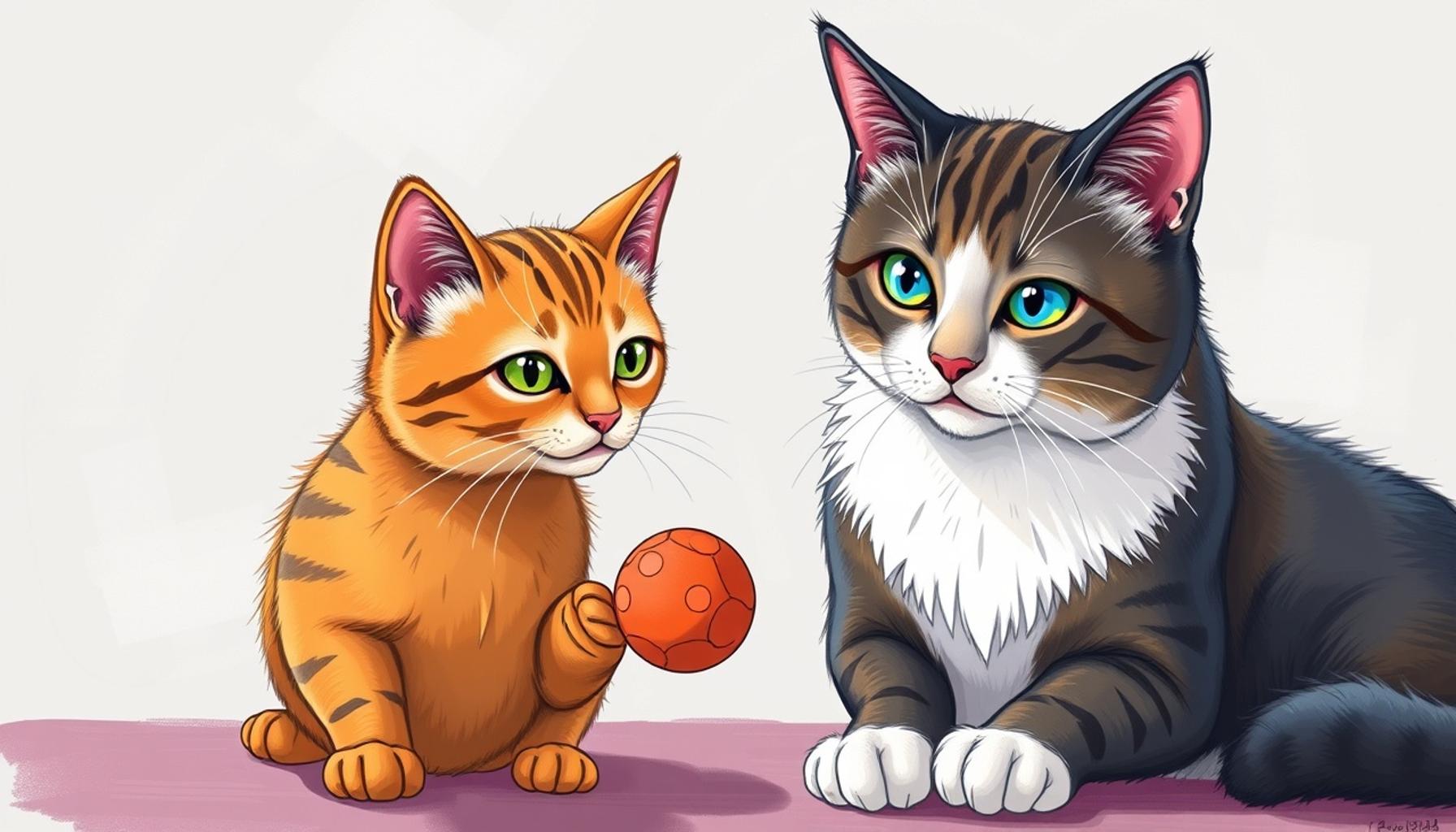
Training your cat may seem like a daunting task, but it is an essential part of fostering a healthy and enriching relationship with your furry companion. With the right techniques, you can not only teach your cat new behaviors but also help them stay mentally stimulated and physically active. Innovative training techniques are becoming increasingly popular among pet owners, allowing them to engage their feline friends in playful and rewarding ways.
Understanding the importance of training for cats is crucial. It can improve your cat’s behavior, enhance their environment, and make your home more harmonious. Here are some benefits of cat training:
- Strengthens the bond between you and your cat.
- Reduces unwanted behaviors.
- Provides mental stimulation and engages their curiosity.
In this article, we will explore the Top 5 innovative training techniques that can transform how you interact with your feline friend. From clicker training to puzzle toys, we will cover practical methods that can make learning fun for both you and your cat. Get ready to unleash your creativity and embark on a rewarding training journey!
Top 5 Innovative Training Techniques for Cats: Engaging Your Feline Friend
Training a cat can often seem like an uphill battle. Unlike dogs, cats tend to be less obedient and more independent. However, with innovative training techniques, you can successfully engage your feline friend and teach them essential behaviors, enrich their lives, and strengthen your bond. Here, we present the top five innovative training techniques for cats that will guarantee enjoyable interactions and compliance.
5. Clicker Training: Positive Reinforcement
Clicker training is one of the most popular positive reinforcement techniques for training cats. The essence of this method lies in using a small device that makes a clicking sound to mark desired behaviors. When cats perform the desired action (like sitting or using the litter box), you click the device and immediately provide a treat.
This technique is beneficial because it helps cats associate the behavior with a reward. It caters to their natural instincts to learn through play and encourages them to repeat the behavior. Over time, you can shape more complex behaviors by building on simpler actions. For example, start by teaching your cat to sit, then gradually transition to more complex actions like fetching a toy.
To implement clicker training successfully, consider the following:
- Choose a quiet space to reduce distractions. This helps your cat focus solely on the task at hand.
- Start with simple commands and gradually escalate. You might begin with having your cat touch your hand with their nose and progress to more challenging tricks.
- Be consistent in timing your clicks and rewards. Remember, the click is a marker that the cat has done something right, and the treat reinforces that notion.
4. Target Training: A Feline Touch to Agility
Target training is another effective, innovative technique that transforms your cat into a savvy little learner. This method involves teaching your cat to touch a target (often a stick or your hand) primarily using positive reinforcement. You can slowly guide your cat to perform tricks, such as jumping through a hoop or even just following you around.
This training method not only enhances your cat’s physical activity but also stimulates their mental faculties. Cats enjoy following a target because it feels like a game, creating fun and bonding moments between you and your furry friend. For instance, by teaching your cat to follow a target, you can encourage them to exercise and explore new spaces confidently.
- Introduce the target at a comfortable distance for your cat. Ensure the target is clearly visible and easily recognizable by your pet.
- Reward them immediately when they successfully touch the target. Immediate reinforcement solidifies the learning process.
- Gradually increase the difficulty by moving the target farther away or challenging them with obstacles. This keeps the training engaging and beneficial.
3. Environmental Enrichment: Creating a Playground
Innovative training extends beyond traditional techniques. Environmental enrichment is about transforming your home into a stimulating playground for your cat. This can include climbing towers, puzzle feeders, and interactive toys that promote mental and physical engagement.
By stimulating your cat’s natural instincts to explore and play, you can reduce behavioral issues aggravated by boredom. This not only fosters a playful learning environment but enhances their overall well-being and satisfaction. For instance, puzzle feeders can encourage your cat to ‘work’ for their meals, tapping into their hunting instincts.
- Incorporate vertical spaces like shelves and cat trees. Cats love high places to observe their surroundings.
- Rotate toys regularly to maintain novelty. Just like us, cats can get bored with repetitive activities.
- Create interactive feeding challenges to engage their problem-solving skills. This is a great way to mentally stimulate your cat.
2. Scent Training: Nose Work Fun
While it may come as a surprise, cats have an incredible sense of smell, which you can leverage for training. Scent training involves using different scents for various activities or commands. For example, you can use a specific scent to encourage your cat to come when called or locate hidden treats.
This technique not only taps into your cat’s natural instincts but also allows for training in a fun and innovative way. With scented toys or catnip, you can engage their curiosity, making learning more exciting and dynamic. Imagine the joy of observing your cat’s excitement as they successfully follow a scent trail to find their favorite treat!
- Start with familiar scents like catnip or favorite treats. Familiarity helps your cat connect the scent with positive experiences.
- Pair scents with commands to reinforce learning. Every time your cat encounters the scent, they’ll associate it with a particular action.
- Gradually introduce new scents for variety. This keeps the training interesting and balances novelty with familiarity.
1. Training with Technology: Apps and Interactive Gadgets
In our tech-savvy world, using technology for cat training has emerged as the most innovative and effective technique. Various apps and interactive gadgets are designed specifically for feline training. These can include laser pointers with timed features, puzzle feeders connected to your smartphone, and even automated toys that mimic prey.
Utilizing these tools allows for seamless integration of playtime and training, making it easier and more enjoyable for both you and your cat. Additionally, many gadgets offer the benefit of tracking your cat’s activity levels. This way, you can ensure they are getting enough exercise and tailor their routine accordingly. For example, a laser toy with adjustable speeds can be programmed to give your cat a workout when you’re not available.
- Research apps that offer training routines for cats. Some can even suggest games based on your cat’s specific learning styles.
- Invest in interactive toys to inspire your cat’s natural hunting instincts. Toys that move erratically mimic the unpredictable nature of prey.
- Monitor their progress and adapt your training accordingly. Pay attention to what engages your cat most and tailor sessions to maximize interaction.
In conclusion, training cats using these innovative techniques not only imbues them with new skills but also strengthens the bond between you and your feline companion. Through methods like clicker training, target training, and using technology, you can offer enriching experiences that contribute to their mental and physical health. As a result, both you and your cat can enjoy a happier, more fulfilling relationship, built on trust and mutual respect.
| Category | Details |
|---|---|
| Positive Reinforcement | Using treats, praise, or playtime as rewards for desired behaviors helps establish a strong bond and encourages cats to repeat good behaviors. |
| Clicker Training | This method employs a click sound to mark the exact moment a cat performs a desired action, which helps improve clarity and precision in communication. |
| Interactive Play | Using toys that mimic prey, such as feather wands or laser pointers, encourages physical activity and mental stimulation, keeping your cat engaged and entertained. |
| Environmental Enrichment | Creating spaces for climbing, hiding, and exploration helps stimulate a cat’s natural instincts, making them feel more secure and less stressed. |
Frequently Asked Questions: Innovative Training Techniques for Cats
How do I start training my cat?
Training your cat often begins with understanding their natural behavior and preferences. Start with simple commands like “sit” or “come,” using a combination of verbal cues and hand signals. Positive reinforcement is key, so always reward your cat with a treat or praise when they perform the desired action. Consistency is crucial, so practice regularly in short sessions to keep your cat engaged.
What types of treats are best for training?
When selecting treats for training, opt for those that are small, soft, and easily consumable. These should be different from their regular food to keep them motivated. High-value treats such as bits of cooked chicken, tuna, or commercially available cat treats can be particularly effective in capturing your cat’s interest. Remember to adjust their regular meal portions accordingly to avoid overfeeding.
Is it possible to train an older cat?
Yes, it is definitely possible to train an older cat. While kittens might learn faster due to their playful and curious nature, older cats are fully capable of learning new tricks. Patience is essential, as older cats might take a bit more time to adjust to training. Just ensure to tailor the training to accommodate any physical limitations they may have due to age.
How can I keep my cat interested during training sessions?
To maintain your cat’s interest, keep training sessions short—typically no longer than five to ten minutes. Varying the activities and introducing new challenges can prevent boredom. Use different types of toys and puzzle feeders to make training fun and engaging. Always end sessions on a positive note with plenty of praise and rewards.
What should I do if my cat is not responding well to training?
If your cat seems uninterested or resistant to training, try first to identify if there are external factors like distractions or stress causing the issue. Ensure that the training environment is calm and positive. Some cats respond better to different types of reinforcement, so experiment with varied treats or play as a reward. If progress remains slow, consult a professional feline behaviorist for tailored advice.
Conclusion: Enriching Your Cat’s World
Engaging your feline friend through innovative training techniques not only enriches their daily lives but nurtures the bond you share. By incorporating interactive toys, clicker training, puzzle feeders, scent games, and target training, you effectively tap into their natural instincts, providing mental stimulation and emotional satisfaction. These methods are not just about teaching tricks; they are about fostering an environment where your cat can thrive and express their innate abilities.
Interactive toys and puzzle feeders are fantastic for keeping your cat entertained and mentally active, offering both exercise and engagement simultaneously. Incorporating such items into their routine can ward off boredom and reduce behavioral issues, allowing them to utilize their active minds and bodies.
Clicker training emerges as a valuable tool, enabling precise communication and reinforcing positive behaviors. Its simplicity in application makes it a feasible choice for any cat owner keen on shaping their pet’s behavior in a humane and effective manner.
Additionally, engaging your cat’s exceptional olfactory senses through scent games offers a fresh avenue for stimulation. It encourages their natural curiosity and provides endless hours of fun and discovery. Similarly, target training enhances problem-solving skills and boosts confidence, making it a useful technique for diversifying your training strategy.
Ultimately, these training techniques highlight the importance of tailoring activities to your cat’s individual preferences and needs. Implementing a blend of these strategies paves the way for a healthier, happier, and more well-adjusted pet. By committing to these enriching practices, you not only contribute positively to your pet’s well-being but also fortify your role as their favorite human. Your cat, in return, will reward you with increased affection, trust, and perhaps a few new tricks up their furry sleeves.

Linda Carter
Linda Carter is a writer and pet care specialist passionate about animal health, behavior, and well-being. With extensive experience helping pet owners make informed decisions, Linda shares practical advice on nutrition, daily care, training, and creating a safe, loving environment. Her goal is to provide clear guidance, useful tips, and accessible information that help readers better understand their pets and give them happier, healthier lives.