
Using Agility Training to Enhance Your Pet’s Physical and Mental Health
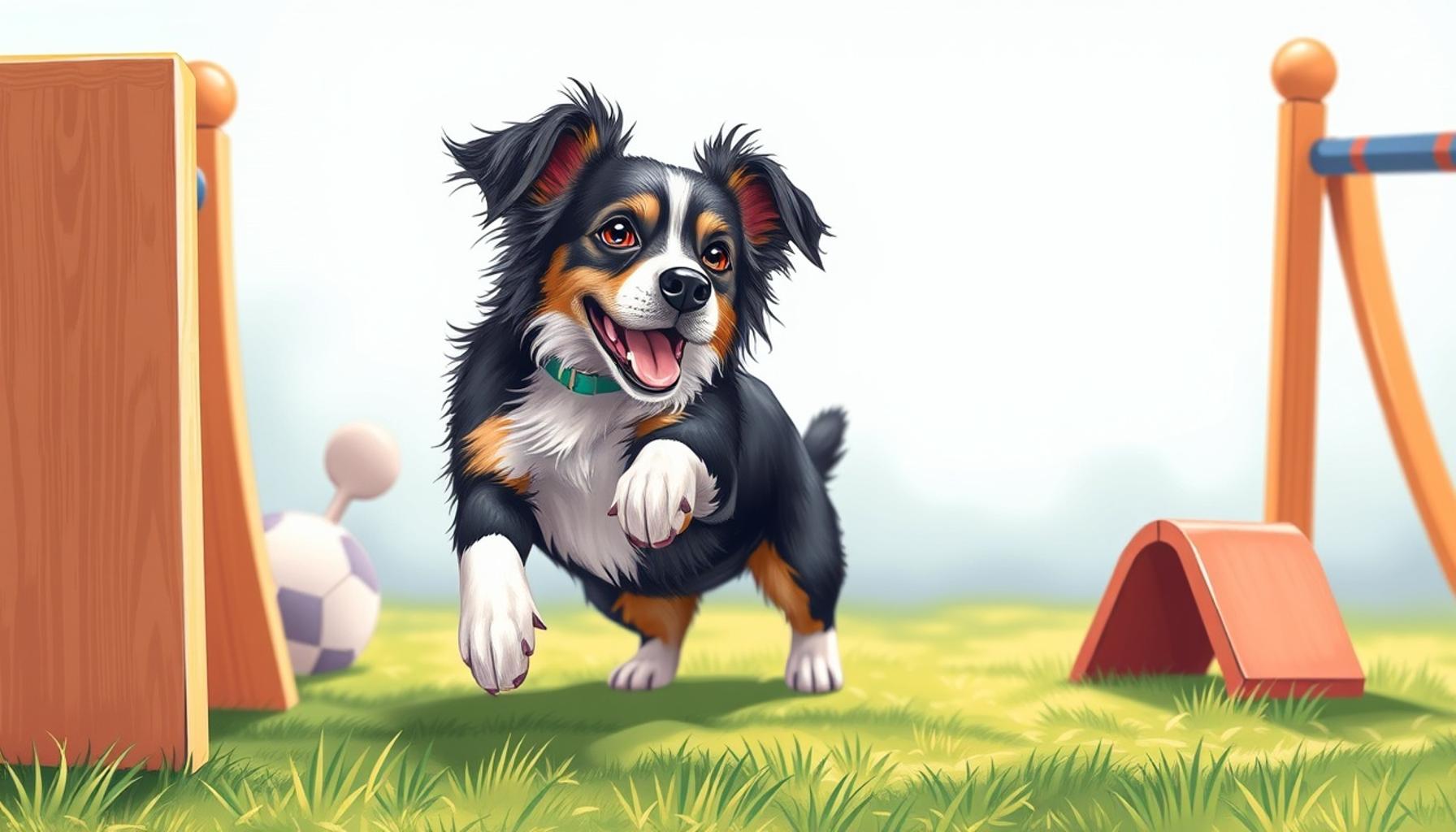
Understanding the Multifaceted Benefits of Agility Training
Agility training has surged in popularity, not only among high-performance athletes but also as a dynamic activity for pets, particularly dogs. This engaging form of exercise transcends mere playtime, offering profound benefits that cater to both the physical and mental well-being of our furry companions.
- Physical Health: Engaging in agility exercises significantly improves your pet’s overall strength and endurance. Activities such as jumping over hurdles, weaving through poles, and crawling under obstacles not only work various muscle groups but also promote cardiovascular health, leading to a more robust and active pet.
- Mental Stimulation: Agility training enhances problem-solving skills. As pets learn to navigate through various courses, they are required to think critically about the most efficient ways to tackle each challenge. This mental engagement is essential for reducing boredom and preventing behavioral issues.
- Bonding: The relationship between pet and owner strengthens significantly through agility training. Working together to train and complete courses fosters teamwork and communication, creating a deeper emotional connection. The shared experiences bring joy and satisfaction to both the pet and the owner.
In the United States, dog agility competitions have gained momentum, highlighting the impressive athletic talents of dogs across all breeds and sizes. Events organized by various regional and national organizations not only showcase these abilities but also promote a sense of community among dog enthusiasts. From small terriers to large breeds, each dog brings its unique flair to agility courses designed to test speed, accuracy, and composure.
Incorporating agility training into your routine can invigorate your pet’s daily activities. Routine walks can transform into mini training sessions filled with excitement and learning opportunities. Training in agility encourages a healthy lifestyle, while also stimulating your pet mentally. Here are more specific benefits:
- Physical Challenges: Activities like jumping, weaving through cones, and crawling under tunnels demand increased physical activity, helping to maintain a healthy weight and improve overall fitness.
- Mental Engagement: Learning commands associated with agility tasks sharpens mental acuity. Dogs must pay attention to their owner’s cues, helping develop focus and discipline that can translate into everyday behaviors.
- Socialization: Participating in agility classes or competitions introduces pets to other dogs, improving their social skills and helping to reduce anxiety in social situations.
Whether you have a spirited puppy eager to learn or a seasoned companion enjoying their golden years, agility training opens a pathway to enhance their overall health and happiness. It introduces fun and challenge while providing essential physical and mental stimulation that is crucial for a well-rounded pet. Prepare to explore how these engaging exercises can reshuffle the routines of your beloved pet, leading you both to new heights of joy and well-being.
DISCOVER MORE: Click here to build your pet’s confidence
Unlocking Your Pet’s Potential Through Agility Training
Agility training is not just a passing trend; it’s a transformative experience for both pets and their owners. As pets weave through obstacles and navigate courses, they engage in activities that elevate their physical fitness and mental sharpness. But what does that actually mean for your beloved companion? The benefits of agility training extend far beyond physical prowess; they touch upon aspects of emotional health and social networks as well.
Physical Fitness is Key: Engaging your pet in agility training can significantly enhance their physical health. The various components of agility courses—such as jumping over hurdles, crawling through tunnels, and zigzagging between poles—provide a full-body workout that targets essential muscle groups. This type of intensive exercise not only improves strength and coordination but also enhances cardiovascular health. According to the American Kennel Club, dogs that regularly participate in agility training can experience improvements in endurance, balance, and flexibility, making them more robust in their everyday activities.
Mental Sharpness: The mental engagement that comes with learning agility commands and navigating courses is equally vital. Dogs are naturally curious and intelligent animals, and agility training provides the perfect outlet for their cognitive abilities. Through this training, pets learn to follow commands, adapt to unexpected changes, and make quick decisions. These mental challenges are essential for stimulating their minds, reducing the risk of behavioral issues that stem from boredom. According to a study published in the Journal of Veterinary Behavior, a well-stimulated dog is less likely to exhibit problem behaviors such as excessive barking or chewing.
Building Connections: One of the most overlooked aspects of agility training is the profound impact it has on the bond between pet and owner. When owners actively participate in training sessions, they are essentially engaging in a form of teamwork. This collaborative effort not only enhances communication skills between the pet and its handler but also fosters trust and patience, essential ingredients for a strong relationship. Agility training is an excellent way to build rapport, as each successful completion of a course creates a rewarding experience for both parties.
Moreover, agility training can significantly improve your pet’s socialization skills. Enrolling in agility classes or participating in competitions exposes pets to new environments and other dogs, facilitating positive interactions and enhancing their social behavior. Engaged socially, pets are less likely to experience anxiety or aggression, further underscoring the holistic benefits of agility training.
In summary, agility training serves as a powerful tool for anyone looking to enhance their pet’s health on multiple fronts. Whether your dog is a lively puppy or a seasoned older companion, introducing agility exercises into their routine can lead to improvements in physical fitness, mental acuity, and emotional connections. This innovative approach not only enriches your pet’s life but also allows you to enjoy a more fulfilling partnership with your furry friend.
| Advantage | Description |
|---|---|
| Improved Physical Health | Agility training keeps pets physically active, enhancing their overall fitness and reducing the risk of obesity and associated diseases. |
| Mental Stimulation | Engaging in agility tasks challenges their problem-solving abilities, keeping their minds sharp and focused. |
| Bonding Opportunities | Agility training requires teamwork, strengthening the relationship between owner and pet through shared experiences. |
| Behavioral Improvements | Regular agility exercises can reduce anxiety and destructive behaviors in pets by providing an outlet for their energy. |
Pet owners are increasingly discovering that agility training not only enhances a pet’s physical capabilities but also nurtures their mental well-being. When pets are guided through obstacle courses, they enjoy a blend of exercise and mental challenges that can lead to a healthier lifestyle. The incorporation of fun and engaging obstacles keeps pets eager to learn and play, making agility training an ideal method for maintaining their overall health.Furthermore, pets that participate in agility exercises often demonstrate improved obedience and responsiveness, as they learn to follow commands and focus on tasks. This training can be particularly beneficial for high-energy breeds or dogs with behavioral issues, creating a more balanced and well-adjusted pet. As the popularity of agility courses grows, many dog clubs and trainers offer classes tailored to various skill levels, making it accessible for every pet enthusiast looking to enrich their furry friend’s life.
DISCOVER MORE: Click here to learn about preparing for your new furry
The Therapeutic Benefits of Agility Training
Beyond enhancing physical fitness and mental sharpness, agility training can also have remarkable therapeutic benefits for your pet. Engaging in these activities has shown to alleviate symptoms related to anxiety and depression in many dogs. As they navigate agility courses, dogs experience a rush of endorphins—a natural mood enhancer. This boost in happiness can be especially beneficial for pets that have experienced trauma or abandonment, as they begin to associate fun and positive experiences with their human companions.
Reducing Anxiety: The very nature of agility training encourages focus and concentration, drawing your pet’s attention away from anxiety-inducing stimuli. A study conducted by the University of Tennessee found that dogs who participated in agility training exhibited lower stress levels than those who did not, showcasing significant reductions in cortisol levels, a hormone linked to stress. The rhythmic and repetitive actions required for agility training—such as jumping and weaving—help create a sense of security and routine, which is essential for anxious pets.
Creating Mental Challenges: Dogs thrive on routine but also require mental stimulation to keep them engaged and satisfied. Agility training provides a structured challenge that can be adjusted to your pet’s skill level. By introducing new obstacles or varying the courses, you ensure that your pet continually faces exciting challenges, which keeps boredom at bay. This intellectual engagement is crucial for preventing behavioral issues. For example, bored dogs often resort to undesirable behaviors such as chewing furniture or incessant barking, leading to a frustrated owner-pet dynamic. The more mental challenges you introduce through agility, the healthier the outlet for your pet’s energy, making your home a more harmonious place for both of you.
A Community Connection: Another often-overlooked benefit of agility training is its potential to create a sense of community. Many owners find camaraderie in the agility training circuit, forming friendships with fellow pet enthusiasts who share similar interests. Local agility clubs and competitions provide social opportunities where dogs and their handlers can bond with others. Engaging in these communities supports emotional well-being for both pets and their humans. According to the American Kennel Club, pets that interact with a variety of people and other animals tend to develop better coping skills and social behaviors, adding layers of enrichment to their lives.
Involving the Whole Family: Agility training can also serve as an engaging family activity. Here in the United States, family involvement in pet care and activities is becoming increasingly popular. By including all family members in agility training sessions, you promote teamwork and responsibility. Family participation not only strengthens the bond between your pet and each family member but also imparts vital lessons about commitment and compassion. Even children can take part in basic agility tasks, allowing them to learn how to care for a living creature while having fun.
With the multi-faceted advantages associated with agility training, it becomes apparent that this activity is much more than simply teaching your pet how to navigate obstacles. It’s about nurturing their total health—physically, mentally, and emotionally. By actively engaging in agility training, you are taking concrete steps toward a happier, healthier, and more connected life with your beloved furry friend.
DISCOVER MORE: Click here to learn about family preparation before adopting a pet
Conclusion: The Transformative Power of Agility Training
In wrapping up our exploration of using agility training to enhance your pet’s physical and mental health, it is clear that this dynamic activity offers a multitude of benefits that extend well beyond mere exercise. From boosting physical capabilities to fostering emotional resilience, agility training serves as a holistic approach to pet health. By engaging in structured yet fun challenges, dogs not only improve their physical fitness but also sharpen their mental acumen, combating issues like boredom and anxiety.
Furthermore, the communal aspect of agility training cannot be overlooked. As pet owners connect within an enriching environment, they form bonds with fellow enthusiasts, enhancing both the human and pet experience. Socialization is key in developing a well-rounded pet, and agility clubs allow for those essential interactions that promote balanced behavior.
Additionally, by involving the entire family in agility exercises, you cultivate teamwork and responsibility among family members while strengthening the bond with your furry companion. This shared engagement nurtures a sense of commitment and joy, creating lasting memories on the agility course and beyond.
Ultimately, agility training is not simply about obstacle courses; it is an opportunity to enhance your pet’s overall well-being—physically, mentally, and emotionally. If you’re looking for an activity that enriches your pet’s life and strengthens your relationship, consider giving agility training a try. With every jump, weave, and leap, you’re not just building skills; you’re fostering a happier, healthier, and more fulfilled life for your beloved pet.

Linda Carter
Linda Carter is a writer and pet care specialist passionate about animal health, behavior, and well-being. With extensive experience helping pet owners make informed decisions, Linda shares practical advice on nutrition, daily care, training, and creating a safe, loving environment. Her goal is to provide clear guidance, useful tips, and accessible information that help readers better understand their pets and give them happier, healthier lives.