The Role of Adoption Organizations in Animal Rehabilitation: An Internal Perspective
The Role of Adoption Organizations in Animal Rehabilitation
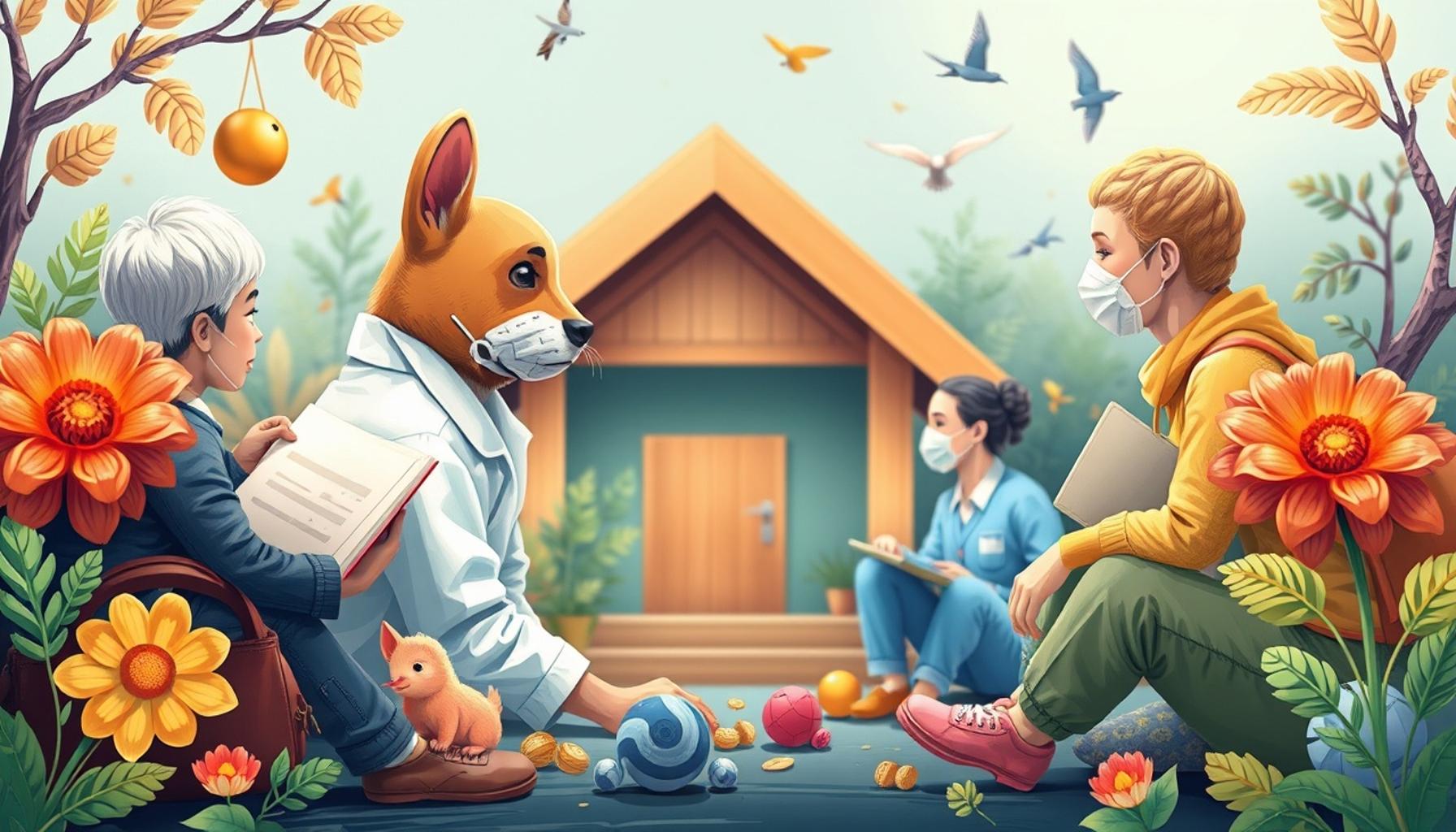
Adoption organizations are fundamental in transforming the lives of countless animals in need throughout the United States. Their influence stretches far beyond simply finding forever homes for pets; these organizations are champions in the fight for animal welfare, engaging in various initiatives aimed at nurturing and rehabilitating vulnerable creatures. This multi-faceted approach plays a crucial role in promoting healthier, happier lives for animals while fostering a greater sense of responsibility and empathy among communities.
One of the most significant aspects of these organizations is their commitment to medical care. Many animals entering shelters arrive with injuries or chronic illnesses that require immediate attention. Organizations like the ASPCA (American Society for the Prevention of Cruelty to Animals) provide necessary veterinary services such as vaccinations, spay/neuter procedures, and treatments for illnesses. This medical intervention not only helps prepare these animals for adoption but also ensures they are healthy and, therefore, more likely to thrive in their new homes.
Equally important is behavioral rehabilitation, as many animals suffer from trauma, neglect, or abuse before entering these organizations. Rescues such as Best Friends Animal Society focus extensively on helping pets overcome behavioral challenges, which can include anxiety, aggression, or fear of humans. By utilizing positive reinforcement techniques and providing trained professionals who specialize in animal behavior, these organizations create safe environments where animals can regain their trust in people and learn how to interact positively.
Adoption organizations also play a pivotal role in community education. They reach out to local neighborhoods, schools, and even workplaces to raise awareness about responsible pet ownership, the importance of spaying and neutering, and the broader issues of animal abuse and neglect. Through workshops, seminars, and volunteer opportunities, organizations help foster a culture of compassion, enlightening the public on how small actions can significantly affect the lives of animals in their community.
The spectrum of adoption organizations is broad, ranging from local animal rescue groups to national shelters. Though each group may implement different philosophies and methods, their shared objective remains clear: to enhance the quality of life for animals and cultivate empathy within society. For example, the Humane Society of the United States employs various tactics, from legislative advocacy to shelter partnerships, to address systemic issues in animal care.
In the coming sections, we will explore the internal mechanics of these organizations, shedding light on the complexities and challenges they face while striving to rehabilitate animals. By sharing success stories and outlining the innovative strategies employed in this field, we aim to foster a deeper understanding of how these organizations contribute not just to the welfare of individual animals but also to the creation of a more humane and compassionate society.
DISCOVER MORE: Click here to learn about the advantages of customized diets for your pets
Understanding the Internal Dynamics of Adoption Organizations
As the backbone of animal welfare, adoption organizations operate under a complex framework that encompasses not only the rescue of animals but also their comprehensive rehabilitation and integration into society. The commitment of these organizations goes far beyond basic sheltering; it includes a strategic blend of medical care, behavioral training, and community outreach. To gain insight into their impactful role, we must explore the internal mechanisms that drive their operations.
One profound aspect of animal rehabilitation is the medical attention provided by adoption organizations. Each organization typically has a dedicated veterinary team or partnerships with local veterinarians to address the health needs of incoming animals. For instance, shelters often prioritize:
- Immediate Medical Evaluations: On arrival, animals undergo thorough health assessments to identify any immediate medical concerns.
- Preventative Care: Vaccinations and preventative treatments are administered to maintain the overall health of the animals.
- Long-Term Health Management: Chronic conditions, such as diabetes or skin allergies, are monitored and treated by the organizations to ensure ongoing wellness.
In the United States, the need for veterinary care can be staggering. The American Pet Products Association estimates that Americans will spend over $31 billion on veterinary care in 2023 alone, a clear indication of the demand for high-quality medical services. Adoption organizations not only alleviate some of this burden by providing essential care but also lay the foundation for successful adoptions through health transparency.
Another critical element of the internal workings of these organizations is behavioral rehabilitation. Many rescued animals exhibit signs of trauma, fear, or aggression stemming from past experiences. Organizations such as Best Friends Animal Society implement customized behavioral programs that focus on:
- Assessment of Behavioral Issues: Each animal is evaluated by trained behaviorists to understand their unique challenges.
- Positive Reinforcement Training: Staff is educated in humane, scientifically-backed training methods that foster trust and improve behavioral responses.
- Socialization Opportunities: Animals are gradually introduced to new environments and people, which aids in reducing fear and enhancing adaptability.
Furthermore, these organizations often collaborate with certified animal behaviorists who design specific training regimens tailored to the needs of individual animals. Success stories of rehabilitated animals abound, showcasing the positive outcomes of such dedicated efforts. Animals who once struggled to trust humans are transformed into loving companions, illustrating the profound impact of rehabilitation programs.
While the emphasis on medical and behavioral aspects is crucial, it’s equally important to recognize the internal culture and team dynamics within these organizations. Volunteers, staff, and management must foster a shared vision that emphasizes empathy, compassion, and the importance of continuous education. Training sessions and workshops are regularly organized to ensure everyone involved is on the same page regarding animal care principles and best practices.
As we delve deeper into the internal operations of adoption organizations, we will further explore the challenges they face, their strategies for success, and the innovative solutions employed to overcome hurdles in animal rehabilitation.
| Category | Details |
|---|---|
| Financial Support | Adoption organizations provide crucial funding for the rehabilitation process, including veterinary care and food. |
| Community Engagement | They foster relationships within the community, raising awareness about the importance of animal rehabilitation. |
Adoption organizations are pivotal in ensuring that rescued animals receive the care they need. Their role goes beyond merely finding homes for animals; they are involved deeply in their journey from rescue to recovery. For instance, through partnerships with local veterinary clinics, these organizations can provide essential health services that these animals may not otherwise receive. Furthermore, adoption organizations often implement educational programs targeting the community, raising awareness about responsible pet ownership and the impact of neglect and abuse. By doing so, they not only rehabilitate individual animals but also strive to alter societal attitudes towards animal care.The collaboration between volunteers, foster homes, and skilled professionals within these organizations enhances the overall rehabilitation process. Individual success stories served as a testament to the effectiveness of their interventions, showcasing how, with adequate support, animals can overcome their traumatic pasts. The promise of a second chance inspires not only potential adoptive families but also the community to get involved, turning rehabilitation into a collective responsibility. As we delve deeper into the internal processes of these organizations, it becomes clear that their multifaceted approach plays a significant role in the ongoing efforts of animal rehabilitation. Each aspect, from funding to community outreach, creates a synergy that ultimately benefits those voiceless creatures yearning for a better future.
DIVE DEEPER: Click here for an in-depth comparison
Navigating Challenges and Implementing Solutions
While the mission of adoption organizations is rooted in compassion and the ethical treatment of animals, the path to successful rehabilitation is fraught with challenges. These obstacles can stem from a range of factors, including limited funding, fluctuating adoption rates, and societal perceptions of rescue animals. Understanding how organizations navigate these complexities is vital in recognizing their value in animal rehabilitation.
One of the most pressing challenges faced by adoption organizations is financial sustainability. Many rely on donations, grants, and fundraising events to cover operating expenses, including medical costs and rehabilitation programs. According to the ASPCA, the average cost of sheltering an animal for just one day can range from $10 to $30. This figure exponentially increases with necessary medical treatments and behavioral training. Organizations must therefore develop creative strategies to enhance their fundraising efforts.
- Community Engagement: Many adoption organizations engage in educational outreach programs, allowing them to foster community support while simultaneously raising awareness about animal welfare.
- Partnerships with Businesses: Collaboration with local businesses can create mutually beneficial arrangements, such as sponsorship or donation drives, that help alleviate financial pressures.
- Utilization of Technology: Organizations are increasingly embracing crowdfunding platforms and social media campaigns to reach a broader audience. Such tools not only raise funds but also raise awareness about the plight of shelter animals.
Another common issue relates to adoption rates, which can directly impact rehabilitation success. Even with significant investments in medical and behavioral care, some animals still struggle to find loving homes. Organizations may experience an influx in incoming dogs or cats that exceeds their capacity, leading to overcrowding and increased stress levels among animals. To mitigate these challenges, several innovative approaches have emerged:
- Foster Care Programs: Implementing foster care allows animals to work through rehabilitation in a home environment, which often leads to improved behavioral outcomes and increased adoptability.
- Promoting “Adopt, Don’t Shop”: Campaigns aimed at promoting adoption over purchasing pets from breeders help shift public sentiment and encourage more people to consider adopting.
- Incentive Programs: Some organizations offer discounted adoption fees or promotions, making it more appealing for potential adopters and supporting the adoption of animals who may require special care.
Beyond the immediate challenges of funding and adoption rates, organizations must also tackle societal perceptions surrounding shelter animals. Stereotypes tend to plague rescue animals, particularly concerning their behavior and breed. To combat misconceptions, adoption organizations employ targeted marketing strategies that showcase the positive attributes of shelter animals.
- Highlighting Success Stories: Sharing uplifting stories of rescued animals on social media or local television can help reshape perceptions and encourage potential adopters.
- Community Events: Hosting “adopt-a-thons” or open-house events provides opportunities for the public to interact with animals, allowing them to witness firsthand the personalities of these pets.
- Educational Workshops: Offering sessions on responsible pet ownership and the benefits of adopting rescue animals fosters a deeper understanding of the adoption process.
Ultimately, adoption organizations continuously evaluate and adapt their strategies to tackle these challenges and enhance animal rehabilitation outcomes. By intimately understanding the unique needs of their operation while staying attuned to community sentiments, these organizations play an indispensable role in transforming the lives of countless animals, paving the way for brighter futures both within and beyond their walls.
DISCOVER MORE: Click here to learn about the importance of behavioral observation in selecting pet toys</
Conclusion: A Vital Link in the Chain of Animal Welfare
In summation, adoption organizations stand as crucial pillars in the realm of animal rehabilitation, playing an integral role that extends far beyond mere sheltering. The challenges they face, from financial constraints to societal biases, highlight the resilience and innovation required to foster a successful environment for both animals and adopters. As these organizations harness community support and forge strategic partnerships, they pave the way for sustainable solutions that not only address immediate needs but also promote long-term change.
Moreover, the implementation of effective programs—such as foster care initiatives and educational outreach—underscores their commitment to enhancing the lives of rescue animals. By embracing modern technology and highlighting success stories, these organizations work tirelessly to shift public perceptions, encouraging a culture that prioritizes adoption over purchasing. This evolution in societal attitudes is essential for increasing adoption rates and ensuring that more animals find loving homes.
Ultimately, the journey of rehabilitation is as much about changing lives as it is about finding permanent placements. By continuously adapting to meet the unique demands of their communities and the animals in their care, adoption organizations play a transformative role that deserves recognition and support. As we move forward, diving deeper into their strategies and successes can yield valuable insights, informing future efforts in animal welfare and rehabilitation. Thus, understanding their internal workings is not just beneficial but essential for anyone looking to make a difference in the fight for animal rights and welfare in the United States and beyond.

Linda Carter
Linda Carter is a writer and pet care specialist passionate about animal health, behavior, and well-being. With extensive experience helping pet owners make informed decisions, Linda shares practical advice on nutrition, daily care, training, and creating a safe, loving environment. Her goal is to provide clear guidance, useful tips, and accessible information that help readers better understand their pets and give them happier, healthier lives.