The Importance of Pre-Adoption Socialization: Preparing Your Pet for Life in a Family
The Journey to a Loving Home
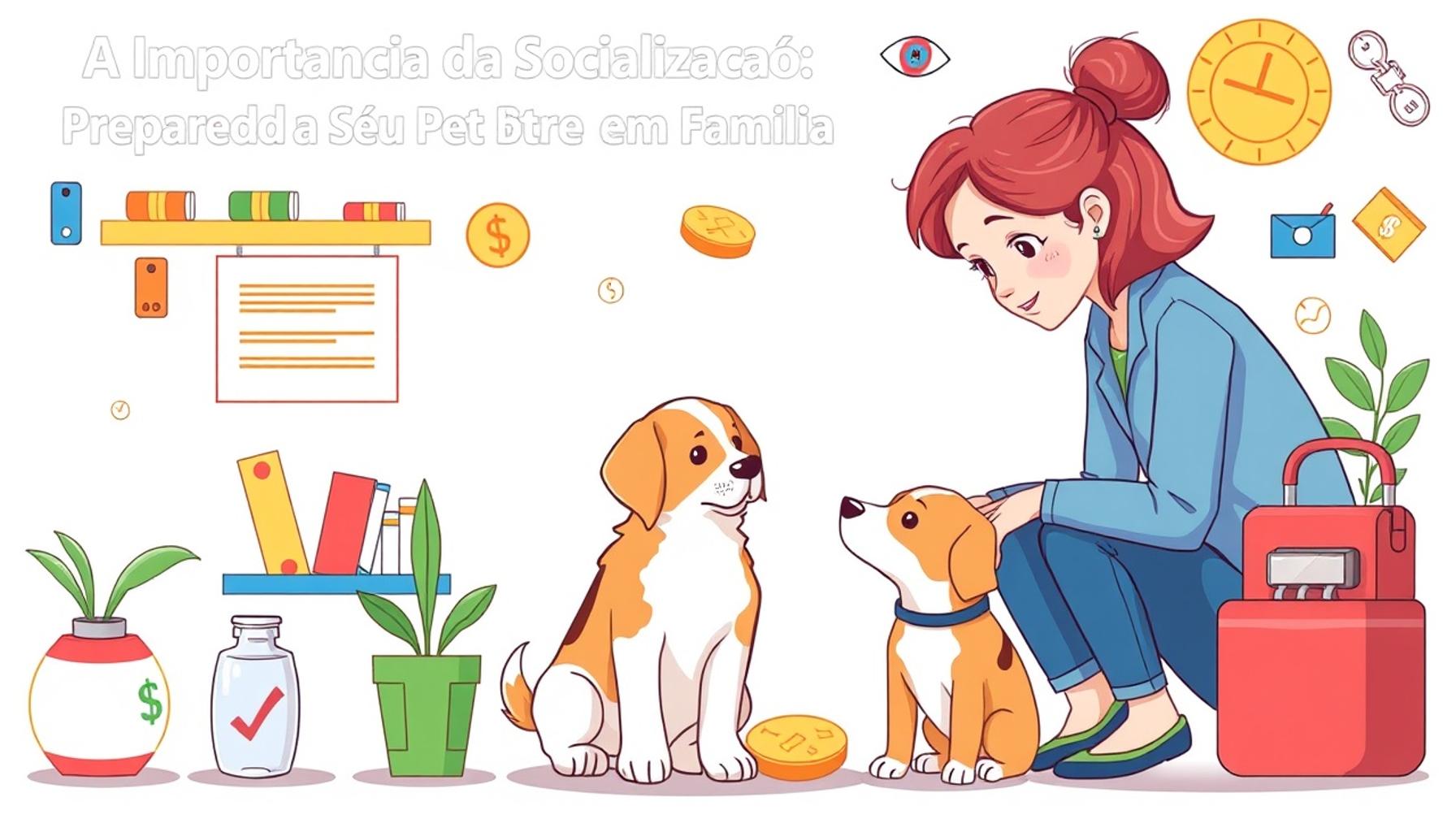
Bringing a new pet into your home is an exciting journey filled with love and companionship. However, it also comes with responsibilities that extend beyond providing food and shelter. One of the most critical aspects of ensuring a smooth transition for your future furry family member is pre-adoption socialization.
Preparing your pet for life in a family involves several important steps that can significantly influence their behavior and overall happiness. Emphasizing early socialization can make a world of difference in how your future pet interacts within your home and community.
Benefits of Pre-Adoption Socialization
Understanding the key advantages of socializing your pet before adoption can help you appreciate its importance. Here are some crucial benefits:
- Boosts Confidence: Socialization helps pets feel secure in various environments. For instance, if you expose your puppy to different settings—like parks, busy streets, or even simple household sounds—it diminishes the likelihood of fear-related behaviors as they mature.
- Reduces Anxiety: Familiarizing pets with different people, animals, and situations can decrease stress. For example, a dog that has met children, elderly folks, and other pets is much less likely to react aggressively or timidly during unexpected encounters.
- Encourages Positive Behavior: Well-socialized pets are more likely to exhibit desirable behaviors. For instance, a cat accustomed to various stimuli, such as vacuum cleaners or doorbells, is likely to adjust better to living in a bustling household, eliminating destructive reactions.
Structured Activities for Effective Socialization
Moreover, socialization isn’t just about exposure; it involves structured activities that foster healthy interactions. Engaging your pet with varied stimuli prepares them not only for the challenges of day-to-day life but also for unexpected situations that arise once they’re part of your family. For example, enrolling your dog in a puppy training class can provide a safe space to learn commands while interacting with other dogs and their owners, reinforcing positive social behaviors.
Regular trips to pet-friendly stores or attendance at local pet events can further enhance your pet’s comfort level in public settings. In these environments, you can also facilitate positive interactions with strangers and other animals, strengthening your pet’s social skills.
Setting the Foundation for a Fulfilling Relationship
In this article, we will delve deeper into the significance of socializing your pet pre-adoption and outline practical strategies to ensure your new companion is family-ready. Understanding these practices can set the stage for a harmonious and fulfilling relationship with your beloved pet.
Ultimately, investing time and effort into pre-adoption socialization can lead to a happier, healthier pet. As you prepare to welcome a new furry friend into your life, remember that their well-being will not only affect them but also enhance your experience as an owner. By embracing socialization early, you can help foster a loving bond that lasts a lifetime.
LEARN MORE: Click here to discover how behavioral insights can lead to responsible animal adoption
The Foundation of a Seamless Transition
When it comes to bringing a new pet into your household, pre-adoption socialization serves as the cornerstone for a successful transition. It involves more than just allowing your future four-legged friend to experience the big world; it’s about intentionally crafting their experiences to develop a well-rounded and balanced companion. Starting early will ensure that your pet is not only happy but also confident and adaptable in various settings.
Many shelters and rescues recognize the significance of pre-adoption socialization. They often implement programs that expose pets to essential experiences before they go home with their new families. These initiatives can range from basic exposure to different surfaces, sounds, and scents to more structured activities that involve human-animal interactions. Socialization at a young age plays a fundamental role in delineating a pet’s personality and behavior later in life.
Understanding the Socialization Window
One of the most compelling facts about socialization is the concept of a critical socialization window. For puppies, this window typically spans from about three weeks to sixteen weeks of age, while kittens may be influenced by their environment and experiences up to about nine weeks. During this period, pets are significantly more receptive to new experiences, making it the ideal time for exposure to a variety of situations.
- Optimal Learning Experience: Young animals learn more effectively during this time, as their brains are at their most impressionable. Each experience can either fortify confidence or contribute to fearfulness.
- Long-Term Behavior Modification: Pets that miss this window may face challenges as they grow. For example, a puppy not exposed to children or other pets during this formative period may become fearful or reactive when encountering these situations later.
- Foundation for Lifelong Skills: Proper socialization breeds pets that can comfortably adapt to changes in their family environment, whether it’s a new baby or a move to a new home.
The Role of Positive Reinforcement
Incorporating positive reinforcement is crucial in the socialization process. Rather than merely exposing pets to new experiences, the focus should be on creating positive associations. This can be achieved by rewarding your pet with treats, praise, or play whenever they encounter something new without displaying fear or anxiety. For instance, if your dog approaches a group of children playfully and receives a treat, they are likely to view similar encounters favorably in the future.
Understanding how to guide your pet through various experiences during this delicate period can greatly reduce the risk of developing behavioral problems later. Remember that every new encounter is an opportunity for growth as you prepare your new furry family member for life in a loving home.
The Role of Pre-Adoption Socialization in Reducing Behavioral Issues
Pre-adoption socialization is crucial in shaping a pet’s behavior and adaptability within a family setting. When pets, especially dogs, are socially engaged before they find their forever homes, they are less likely to display problematic behaviors such as aggression or extreme fearfulness later on. A well-socialized pet tends to be more confident and relaxed, making them much easier to integrate into family life.Exposure to Different Environments is an essential component of socialization. Pets who experience various settings, sounds, and smells before adoption are better prepared for the diverse experiences they will encounter in a household. For instance, introducing a puppy to children, other animals, and different types of environments can mitigate anxiety and help them learn how to interact appropriately with their new family members.
The Impact of Positive Experiences
Positive experiences during pre-adoption can also foster a strong bond between the pet and their new family. When pets associate new people and experiences with positive outcomes, such as treats and playtime, they are more likely to enter their new home with a friendly and open demeanor. This set of foundational experiences can significantly enhance their emotional well-being, ultimately leading to a more harmonious household.Prevention of Common Behavioral Problems is yet another benefit of socializing pets prior to adoption. For example, pets that are not properly socialized may develop issues like separation anxiety or excessive barking. Through early socialization, potential behavioral issues can be mitigated or avoided altogether. Educating potential adopters about the importance of pre-adoption socialization is vital for ensuring that pets have a fulfilling and successful transition into their new lives.In summary, pre-adoption socialization plays a pivotal role in ensuring that pets are well-suited for family life. By prioritizing this crucial process, shelters and rescues can help create a smoother transition for both the pets and their adoptive families, paving the way for a rewarding companionship that lasts a lifetime.
DISCOVER MORE: Click here for insights on pet diets
Building Lifelong Relationships Through Early Engagement
Engaging your pet in pre-adoption socialization activities not only prepares them for family life but also lays the groundwork for a profound emotional bond. When animals are given the chance to explore their environment, meet diverse people, and interact with other pets, they become more adept at navigating the complexities of living in a household. These interactions can significantly impact their perception of the world, making them less fearful and more approachable.
Socialization does not merely end with exposure; it requires consistency and a positive, nurturing environment. For instance, regularly inviting neighbors or friends, who are friendly and gentle, to interact with your pet allows them to build trust. This familiarity plays a vital role in shaping a pet’s behavior around people. Additionally, establishing routines, like walks in public areas, fosters confidence as your new companion learns to encounter various sights and sounds.
Overcoming Challenges: The Importance of Gradual Exposure
A common misconception is that socialization is a quick process, easily achieved through a few brief outings. However, socialization is an ongoing journey. Gradual exposure to both troubling and enriching stimuli is essential. For example, if you have a timid puppy, introducing them to larger dogs should be done in a controlled and gradual manner. This scenario can be facilitated by arranging playdates with calm and friendly dogs. Consequently, your puppy learns that larger companions are not threats but potential friends.
Moreover, it is critical to note that while some pets may adapt easily, others may need extra help navigating overwhelming situations. Training classes can offer structured environments for pets to engage with various stimuli under the supervision of professionals—all while reinforcing positive behaviors through effective coaching. These experiences shape a dog’s behavior and blend seamlessly into home life, leaving both pets and owners feeling secure.
Creating Positive Household Dynamics
A well-socialized pet plays an integral role in maintaining harmony within the household. As family dynamics often shift—be it the arrival of a newborn, a new pet, or even regular visits from friends—having a pet that can adjust is invaluable. By investing time in pre-adoption socialization, you enable your pet to develop adaptability and resilience, qualities that help ease transitions.
- Enhanced Interaction with Children: Pets that are exposed to various social settings from a young age are more likely to be gentle and playful around children, fostering a safe environment for interaction.
- Mitigation of Behavioral Issues: Proper socialization combats behavioral problems that may arise from fear or anxiety, leading to a more stable home and happier family life.
- Strengthened Owner-Pet Relationships: Pets that are confidently socialized tend to trust their owners more, resulting in a more fulfilling and positive relationship.
Ultimately, pre-adoption socialization is not merely a checklist but a crucial process that influences every aspect of an animal’s life. With awareness and dedication, future pet owners can create opportunities for their pets that enable them to thrive in their new homes.
DIVE DEEPER: Click here to learn more
Conclusion: The Lasting Impact of Pre-Adoption Socialization
Understanding the importance of pre-adoption socialization is paramount for prospective pet owners aiming to foster a loving and harmonious family environment. Proper socialization equips pets with crucial skills to navigate varied situations, interactions, and emotional landscapes, ensuring they can thrive within their new homes. By initiating this process early on, future pet owners enable their companions to develop resilience and adaptability, reducing the likelihood of behavioral issues that can disrupt family dynamics.
Through consistent engagement, gradual exposure to diverse experiences, and nurturing environments, pet owners create a foundation that not only enhances the pet’s quality of life but also deepens the human-animal bond. Furthermore, well-socialized pets are better equipped to interact safely and joyfully with both family members and visitors, fostering a welcoming atmosphere for all.
As we reflect on the journey that begins before a pet enters a family’s life, it is evident that pre-adoption socialization is essential for a smooth transition and a rewarding companionship. Investing time and effort into this process is not just a responsibility; it is a commitment to ensuring a happier, healthier life for pets and their families alike. With dedication and understanding, future pet owners can open doors to a richer, more fulfilling life experience, ultimately benefiting the entire household.

Linda Carter
Linda Carter is a writer and pet care specialist passionate about animal health, behavior, and well-being. With extensive experience helping pet owners make informed decisions, Linda shares practical advice on nutrition, daily care, training, and creating a safe, loving environment. Her goal is to provide clear guidance, useful tips, and accessible information that help readers better understand their pets and give them happier, healthier lives.