Socialization Techniques: Preparing Your Pet for Interactions with Other Animals
Understanding the Importance of Socialization
Every pet deserves a chance to thrive in their environment, and socialization plays a crucial role in their overall well-being. Properly socializing your pet not only helps them interact positively with other animals but also enhances their confidence and reduces behavioral issues. This foundational step in pet ownership is essential for cultivating a well-adjusted companion.
What is Socialization?
Simply put, socialization is the process of exposing your pet to various social situations, people, and other animals. This broad-spectrum approach is vital during the formative stages of a pet’s life, ideally starting when they are still puppies or kittens. However, it can be beneficial for older pets as well.
Socialization activities can include:
- Meeting other pets in a controlled setting, such as playdates with friends’ dogs or supervised interactions in pet-friendly environments.
- Attending dog parks or pet-friendly events, where your pet can interact with a variety of breeds and sizes while under your guidance.
- Participating in training classes, which not only introduce your pet to new experiences but also provide valuable commands and exposure to human handlers and peers.
Why is it Necessary?
Pets who lack proper socialization may exhibit a variety of troublesome behaviors, such as:
- Aggression towards other animals: A lack of social exposure could lead to fear and overreaction in unfamiliar situations, resulting in unprovoked aggression.
- Fearfulness in new environments: Pets that haven’t been socialized may become anxious in new settings or around new people, impacting their comfort and behavior.
- Excessive barking or whining: Inadequate social experiences can cause pets to communicate their stress or discomfort through vocalizations, which can be disruptive and concerning.
Engaging in effective socialization techniques can dramatically improve your pet’s ability to navigate interactions with others. Through structured exposure, pets can develop healthy coping mechanisms, resulting in a greater sense of security in various situations. The benefits are not only limited to behavior; they foster a happier and healthier lifestyle for your furry friend. A well-socialized pet is more likely to enjoy outings with their family and participate in community events, transforming the pet ownership experience into a more rewarding adventure.
Ready to Learn More?
Dive into the following sections where we’ll explore practical and effective socialization techniques tailored to help you prepare your pet for enjoyable interactions with other animals. These strategies will ensure that your pet is not only a cherished member of your family but also a well-rounded presence in society.
DISCOVER MORE: Click here to learn how to welcome a new pet stress-free
Effective Socialization Techniques
When it comes to preparing your pet for interactions with other animals, employing structured and engaging socialization techniques is essential. These approaches not only ease the anxieties pets might have in unfamiliar situations but also instill confidence and healthy social behaviors. Below, we explore various methods to facilitate effective socialization.
Start Young: The Critical Socialization Window
The ideal time to begin socializing your pet is during their early developmental stages. For puppies, the critical socialization period typically occurs between three and fourteen weeks of age. During this timeframe, they’re more receptive to new experiences, making it easier to instill social confidence. Similarly, kittens benefit from early exposure to diverse environments and animals. However, older pets can also learn to socialize with the right techniques and patience.
Gradual Exposure to Different Environments
Begin by exposing your pet to various environments gradually. Start in familiar settings, such as your backyard or a safe corner of your home, and progressively introduce them to more stimulating places, like parks or crowded areas. This method helps your pet associate new experiences with positive outcomes. Here are some ideas for gradual exposure:
- Neighborhood Strolls: Regular walks in your neighborhood expose your pet to new sights, sounds, and smells. Make these walks fun by allowing them to explore under your supervision.
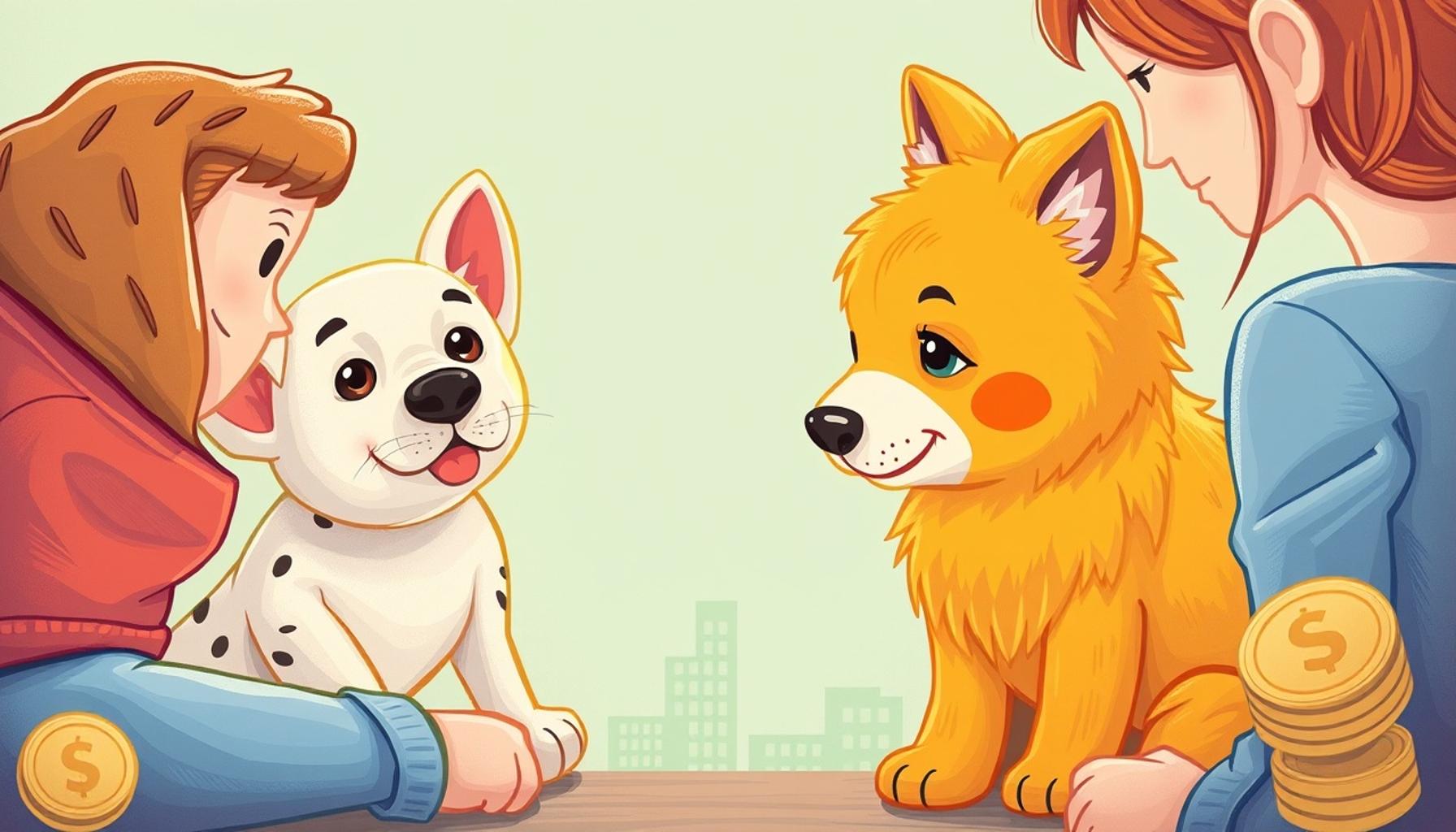
- Controlled Socialization: Organize playdates with friendly animals that are well-socialized themselves. Ensure that these meetings are supervised to encourage positive interactions.
- Community Events: Attend pet-friendly events or outdoor markets where your pet can meet other animals and people in a bustling environment. Keep a close eye on their body language to gauge their comfort level.
Positive Reinforcement Training
Incorporating positive reinforcement training into your pet’s socialization routine can dramatically enhance their learning experience. Use treats, praise, or toys as rewards when your pet displays calm behavior in the presence of other animals or unfamiliar environments. This approach helps them form positive associations with situations that may initially cause anxiety. Here’s how to effectively implement this technique:
- Teach Basic Commands: Commands like “sit,” “stay,” and “leave it” can help manage your pet during encounters with other animals, making interactions smoother.
- Reward Calm Behavior: If your pet remains calm and relaxed while meeting another dog or encountering a new situation, offer immediate rewards to reinforce this behavior.
- Gradual Desensitization: Gradually introduce your pet to potential stressors, rewarding them for maintaining composure. This process reduces the likelihood of fear responses in the future.
Employing these socialization techniques can significantly transform your pet’s interactions with other animals, fostering a more harmonious and enjoyable relationship with their surroundings. Remember, patience and consistency are key for successful socialization, ensuring your pet emerges as a confident and sociable companion.
Socialization is not just an essential aspect of raising a well-adjusted pet; it also fosters a peaceful coexistence between animals in social settings. Engaging your pet correctly can help reduce fear and aggression, leading to smoother interactions with other animals. The philosophy behind these Socialization Techniques is to gradually expose your pet to diverse experiences, helping them develop confidence and manageable behavior.
Begin with controlled environments, such as supervised visits to a friend’s home or small animal gatherings, ensuring that both the pets and the humans are relaxed. This gradual introduction allows your pet to process new sights and sounds without becoming overwhelmed. Pairing experiences with rewards—like treats or praise—creates positive associations, making future interactions more favorable.
Consider utilizing positive reinforcement as the core of your training regimen. This technique involves rewarding your pet for displaying desirable behaviors during social interactions, thus encouraging them to repeat these behaviors in the future. Additionally, group training classes can provide structured social settings, where pets learn to interact with others positively under expert guidance.
It’s also important to understand your pet’s body language. Knowing when your pet is feeling anxious or uncomfortable can help you redirect the interaction or create distance before a reaction occurs. Utilizing training tools like clickers or specific command words can also enhance clarity in communication during socialization training.
The ultimate goal is for your pet to react positively and comfortably around other animals. Through consistent practice using these techniques, your pet will not only become more sociable but also enjoy harmonious interactions in various environments.
| Category 1 | Category 2 |
|---|---|
| Positive Reinforcement | Encourages desired behaviors during interactions through rewards. |
| Body Language Awareness | Allows pet owners to assess their pet’s comfort level and adjust interactions accordingly. |
LEARN MORE: Click here to discover how to create a pet-friendly home
Utilizing Group Classes for Socialization
Group training classes can serve as an excellent platform for socializing your pet with both other animals and people. These classes, often hosted by professional trainers, provide a structured setting where pets can learn and interact under expert guidance. This interaction allows for both socialization and training, reinforcing good behavior around unfamiliar beings. Here are some noteworthy aspects of engaging in group classes:
- Supervised Interaction: Group classes ensure that your pet interacts with other animals in a controlled environment. Trainers often teach pets to respect personal space and read the body language of their peers, fostering healthy communication skills.
- Learning from Others: Pets can often learn from one another. By observing how other well-socialized animals behave, your pet may pick up positive interactions and become more comfortable with various social situations.
- Expert Guidance: Professional trainers can offer invaluable insights to help you navigate the socialization process. They may provide tailored advice for your pet’s specific needs and even demonstrate desirable behaviors to inspire adaptation.
Creating Positive Experiences through Play
Play is integral to the socialization process, as it encourages positive interactions and builds bonds. Engaging your pet in play with other well-socialized animals allows them to practice their social skills in a fun and low-pressure setting. The following tips can enhance playtime:
- Variety of Toys: Introduce different toys during playdates to keep things interesting. Toys that promote interaction, such as tug ropes or fetch toys, can be particularly effective in facilitating bonding among animals.
- Observe Body Language: Keep a keen eye on your pet’s body language and that of other animals during play. Look for signs of stress, such as raised hackles or excessive barking, and intervene if play becomes too rough.
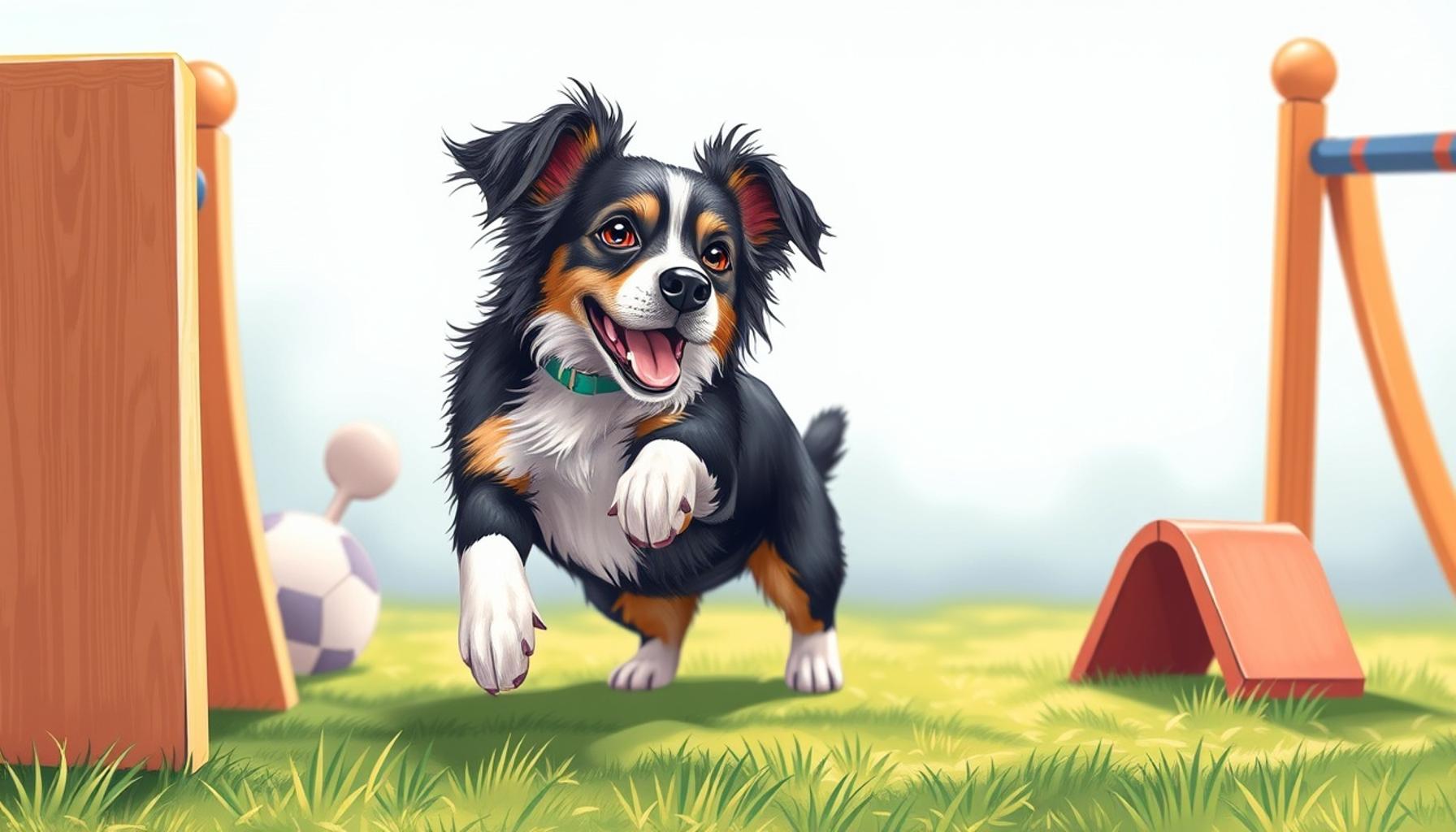
- Structured Play: Incorporate structured activities into playtime, like agility courses or scent games. These activities can help to channel energy and focus while providing an opportunity for teamwork between owner and pet.
Gradual Introduction to New Animals
As your pet becomes more confident, it’s essential to broaden their social circles further. Introducing them gradually to a variety of animals will enhance their adaptability. Here’s how to ensure smooth introductions:
- Controlled Meet-and-Greets: Initial introductions should take place in neutral territory, such as a park. Keep leashes on both pets during the first meeting, allowing them to observe each other calmly without direct confrontation.
- Short Interactions: Start with brief interactions and gradually increase the duration over time as both pets become more comfortable. This gradual approach helps to reduce anxiety and potential altercations.
- End on a Positive Note: Always conclude the interaction before either pet feels overwhelmed or overwhelmed. Ending on a positive note encourages eagerness for future encounters.
Expanding your pet’s social experience is paramount as it will not only lead to healthier behavior but will also foster a more enriched life for them. Utilizing group classes, engaging in interactive play, and ensuring gradual introductions can easily enhance your pet’s social skills. By investing time and effort into these socialization techniques, you are setting your furry friend up for successful and fulfilling interactions with their fellow companions.
DON’T MISS: Click here to learn how to prepare for your new
Conclusion
In conclusion, effectively managing your pet’s socialization is an essential part of their development and well-being. The techniques discussed, including engaging in group classes, facilitating interactive play, and introducing pets to new animals gradually, provide a comprehensive approach to enhancing your pet’s social skills. Understanding that socialization techniques are not merely about exposing your pet to different environments but also about building confidence and trust is crucial.
Moreover, observing and responding to your pet’s body language during interactions can significantly reduce anxiety and promote positive experiences. Regular and structured socialization helps to curb behavioral issues, fostering a happier and more balanced pet. In a diverse society like the United States, where pets often interact with numerous people and animals, these skills can lead to smoother coexistence and enriched lives.
As you embark on this journey, remember that every pet is unique, and patience is key. You can create a support network by connecting with trainers, pet parents, and community resources. Continuously seek information, engage with other pet owners, and adapt strategies that work best for your furry companion. By dedicating time and effort to socialization, you are undoubtedly preparing your pet for meaningful and fulfilling interactions, setting the stage for lifelong friendships and adventures.

Linda Carter
Linda Carter is a writer and pet care specialist passionate about animal health, behavior, and well-being. With extensive experience helping pet owners make informed decisions, Linda shares practical advice on nutrition, daily care, training, and creating a safe, loving environment. Her goal is to provide clear guidance, useful tips, and accessible information that help readers better understand their pets and give them happier, healthier lives.