Flowering Plants for Beginners: How to Add Color to Your Garden
Flourishing Your Garden with Color
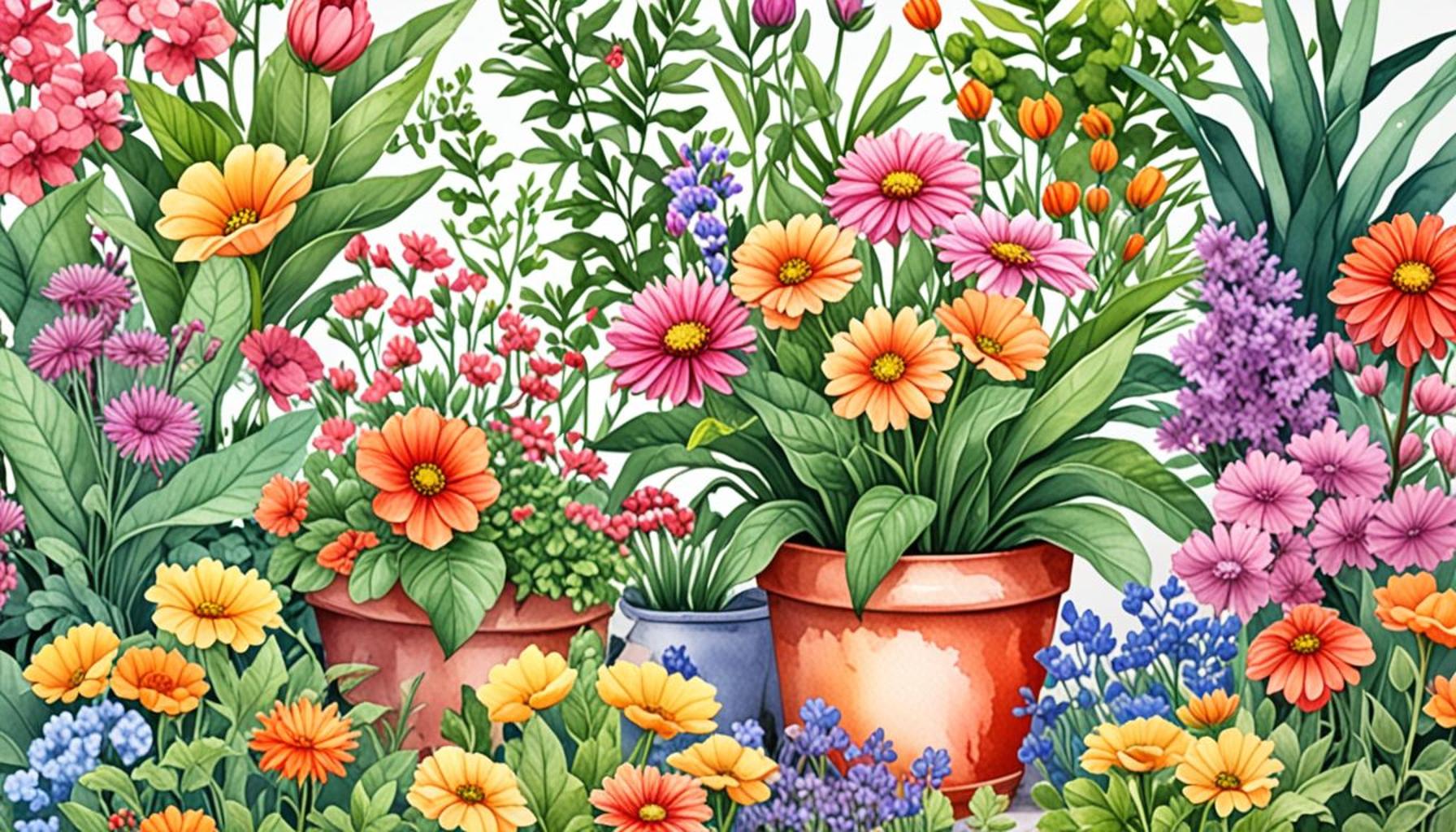
Transforming your garden into a vibrant kaleidoscope of colors can seem daunting for beginners. However, incorporating flowering plants is a rewarding and accessible way to enhance your outdoor space. With the right choices, you can create an inviting and lively environment that reflects your personal style and nurtures the ecosystem.
Why Choose Flowering Plants?
- Visual Appeal: A burst of colors can brighten any garden. Flowering plants such as roses, sunflowers, and zinnias can create focal points and add depth to the landscape.
- Variety: There’s a wide range of species to fit every preference and style. From the delicate blooms of daisies to the grand presence of hibiscus, there’s a flower for every gardener, regardless of experience level.
- Ecosystem Benefits: Flowering plants attract pollinators, essential for a healthy garden. Bees, butterflies, and hummingbirds are not only beautiful to observe but also critical for the pollination of many plants, enhancing your garden’s productivity.
As a beginner, understanding which flowering plants thrive in your area is crucial. Not only do you want to choose plants that will flourish, but you also want to ensure they meet your aesthetic goals. Here are a few ideal flowering plants to consider:
- Marigolds: Easy to grow and suitable for any garden, they bloom in hues of yellow, orange, and red. These annuals are also excellent for pest control, naturally repelling harmful insects.
- Pansies: Available in various colors, these hardy flowers thrive in cooler weather and are perfect for planting in spring and early fall. Their cheerful faces can brighten up any shady area.
- Petunias: Prolific bloomers that add a splash of color, these versatile plants can be found in nearly every color imaginable. Whether you choose trailing or upright varieties, petunias make excellent choices for hanging baskets or garden beds.
Dive into the world of flowering plants and discover how simple it can be to inject life into your garden. Create your own canvas by mixing and matching colors, heights, and textures. Consider visiting local nurseries or botanical gardens for inspiration and to gather knowledge about native plants that are suited for your region.
With creativity and a little guidance, your outdoor space can become a lush and colorful retreat. Whether you want a low-maintenance garden or a floral extravaganza requiring more care, the options are limitless. Explore local gardening clubs or online forums to connect with fellow gardening enthusiasts who can share tips and advice. Embark on this joyful journey of gardening and watch as your efforts bring a vibrant tapestry of color and life to your home.
DISCOVER MORE: Click here to learn about how weather impacts your garden’s pest control
Choosing the Right Flowering Plants for Your Space
As you embark on your gardening journey, one of the most important steps is selecting the right flowering plants for your garden. This choice can greatly influence not only the aesthetic appeal of your space but also the overall health and vibrancy of your garden ecosystem. Here are several factors to consider when choosing your flowering plants:
Know Your Zone
Understanding your USDA Plant Hardiness Zone is essential. This geographic classification indicates which plants are most likely to thrive in your local climate. For instance, if you live in USDA Zone 7, you can consider planting astilbe and coreopsis, both of which do well in that region. Local gardening centers often provide this information, ensuring that your chosen plants will flourish based on your area’s unique climate conditions.
Consider Sunlight and Soil
Every flowering plant has specific needs in terms of sunlight and soil quality. Some plants flourish in full sun, while others prefer partial shade. Begin by assessing your garden’s sunlight exposure throughout the day. For instance:
- Full Sun: Choose sun-loving flowers such as coneflowers and daylilies that thrive in bright, direct sunlight. These flowers produce abundant blooms and are generally low-maintenance.
- Partial Shade: Look for plants like bleeding heart and forgotten me-not that can handle some shade while still providing delightful color.
- Shade: Opt for hardy options such as hostas and fuchsias that deliver beauty even in lower light conditions.
Establish a Color Palette
Creating a harmonious color palette is integral to designing a visually appealing garden. When planning your garden, think about how colors work together. For a cohesive look, consider the following:
- Complementary Colors: Utilize color wheels to discover pairs of colors that enhance each other, such as orange and blue or yellow and purple.
- Monochromatic Schemes: Choose different shades of the same color, such as various metallic tones, to create a more subdued but elegant space.
- Seasonal Rotation: Consider planting early-blooming flowers like crocuses that transition into later blooms such as asters to maintain interest throughout the seasons.
Taking the time to research and plan your flowering plants will ultimately result in a thriving garden that brings joy to your environment. Whether your goal is to create a bright burst of color or a serene, tranquil escape, understanding these fundamental aspects of gardening will set you up for success. With careful consideration and thoughtful selections, your garden can become a splendid showcase of nature’s beauty that will leave you and your guests in awe.
Flowering Plants for Beginners: How to Add Color to Your Garden
Adding vibrant colors to your garden is not only visually appealing but can also bring life and energy to your outdoor space. Choosing the right flowering plants is essential for beginners. Here’s a guide to help you navigate this exciting journey.
| Flowering Plants | Benefits |
|---|---|
| Marigolds | Easy to grow, effective pest deterrent. |
| Petunias | Vibrant colors, long blooming period. |
| Zinnias | Drought-tolerant, attracts butterflies. |
| Snapdragons | Unique shapes, perfect for cutting gardens. |
When selecting flowers, consider their growing conditions, maintenance requirements, and how they can complement each other in your garden design. Opting for a mix of these flowering plants can ensure a continuous cycle of blooms throughout the growing season, providing a feast for the eyes and nourishing the spirit. By integrating a variety of colors and shapes, you can create a garden that not only enhances your home but also brings joy and tranquility.
Diving into the world of flowers can be a rewarding experience. It’s essential to learn about the specific needs of each plant, such as sunlight, watering, and soil type, to promote healthy growth. Explore local nurseries to find quality plants suited for your climate. As you grow more confident, consider experimenting with different varieties to develop your personal garden paradise.
DISCOVER MORE: Click here for a beginner’s guide to growing medicinal plants at home
Maintenance and Care for Flowering Plants
Once you have carefully selected your flowering plants and established a vibrant palette, it’s essential to understand the ongoing maintenance and care required to keep your garden flourishing. While many flowering plants are relatively low-maintenance, they do have specific needs that, if met, will result in a more colorful and healthier garden. Here are key considerations to bear in mind:
Watering Wisely
Watering is crucial for the growth of flowering plants. However, understanding when and how to water is just as important. Over-watering can lead to root rot, while under-watering can inhibit growth. Here are some guidelines:
- Consistency: Most flowering plants prosper with consistent moisture, particularly during dry spells. Aim to water early in the morning or later in the evening to reduce evaporation.
- Soil Check: Always check the top inch of the soil; if it feels dry, it’s time to water! Certain plants, like lilies, prefer soil that’s moist but not soaked.
- Drip Irrigation: Consider installing a drip irrigation system that delivers water directly to the roots, making it easier to maintain consistent moisture levels.
Fertilizing for Success
Providing your flowering plants with the right nutrients is critical for encouraging prolific blooms and vigorous growth. Different plants may have varying nutritional needs, so here’s what you need to know about fertilizing:
- Granular Fertilizer: A slow-release granular fertilizer can provide essential nutrients over time and works well for a range of flowering plants, such as petunias and geraniums.
- Liquid Fertilizer: For quicker results, liquid fertilizers can be applied every two to four weeks during the growing season. Just be sure to follow the manufacturer’s instructions for dilution ratios.
- Organic Options: Consider using organic fertilizers like compost or worm castings to enrich your soil naturally and sustainably.
Pruning and Deadheading
Regular pruning and deadheading are essential practices that enhance both the appearance and longevity of your flowering plants:
- Deadheading: This involves removing faded or dying blooms to promote new flowers. Plants such as zinnias and marigolds will benefit from regular deadheading, resulting in a continuous display of vibrant color.
- Pruning: Trim back overgrown plants at the end of their flowering season. This not only keeps your garden tidy but also encourages healthier growth for the following year.
- Seasonal Maintenance: Be aware that certain plants may require seasonal pruning or cutting back in early spring or fall. Research specific needs for every type of flowering plant in your garden.
Pest and Disease Management
Part of maintaining a thriving garden involves being vigilant about pests and diseases that can affect flowering plants. Here are steps to help manage these common challenges:
- Regular Inspections: Regularly inspect your plants for signs of pests such as aphids, spider mites, or powdery mildew. Early detection can make control much easier.
- Natural Predators: Encourage beneficial insects, such as ladybugs and lacewings, which prey on harmful pests and support a healthy ecosystem.
- Pest Control: Use organic pest control methods like neem oil or insecticidal soap for treatment, helping to protect both your plants and the surrounding environment.
By implementing thoughtful care practices for your flowering plants, you not only ensure their health and longevity but also contribute to creating a beautiful, colorful garden that will be a source of pride and enjoyment. As you become more familiar with your plants’ needs and preferences, you’ll find gardening to be not just a hobby, but a fulfilling way to enhance your living space.
DIVE DEEPER: Click here to learn more
Conclusion: Embrace the Beauty of Flowering Plants
As you embark on your gardening journey, incorporating flowering plants into your space can truly elevate the aesthetic and mood of your home. With the right selection of plants, understanding their needs, and employing proper maintenance techniques, you can create a striking garden that bursts with color throughout the seasons. Remember, the beauty of a flourishing garden lies not just in the vibrant blooms, but also in the care, patience, and dedication you invest in it.
Beginner-friendly options like petunias, marigolds, and zinnias provide accessible opportunities to explore the joys of gardening while delivering impressive results. By mastering the basics of watering, fertilizing, and pest management, you set the stage for a thriving environment that invites pollinators and enriches your outdoor experience. Take the time to research each variety’s specific preferences—this knowledge will transform your gardening efforts into a rewarding endeavor.
Furthermore, do not hesitate to experiment with different layouts and combinations as you gain confidence along the way. The process of creating your unique floral haven can be incredibly fulfilling, igniting a passion that may grow far beyond the bounds of your initial garden. So, roll up your sleeves, get your hands in the soil, and embrace the vibrant world of flowering plants. Your blooming masterpiece awaits!