Soil Preparation Methods for Raised Gardens: A Practical Guide for Beginners
Understanding the Essentials of Soil Preparation
For newcomers to gardening, the soil is often viewed merely as dirt. However, a deeper understanding reveals it to be a living ecosystem essential for healthy plant growth. Preparing the right soil for raised gardens can significantly influence crop yields and plant vitality, laying the foundation for a fruitful gardening experience.
Raised gardens are becoming increasingly popular due to their accessibility and aesthetic appeal, but mastering soil preparation methods is crucial for success. Here are some vital aspects to consider:
- Soil Composition: It is essential to achieve a balance between sand, silt, and clay. Sandy soils drain quickly but may not retain moisture well, making them inadequate for some plants. On the other hand, clay soils retain moisture but can become compacted, hindering root growth. A mixture rich in organic matter, such as compost or well-rotted manure, can create a loamy texture that is ideal for most vegetable varieties.
- Nutrients: Soil serves as a reservoir of essential elements like nitrogen, phosphorus, and potassium, often referred to as N-P-K. These elements play vital roles in plant functions, from promoting leaf growth (nitrogen) to strengthening roots (phosphorus) and enhancing overall plant health (potassium). Regular soil testing can help you understand nutrient levels and make informed decisions regarding fertilizers.
- pH Levels: The pH level of your soil is critical, as it affects nutrient availability. The ideal range for most vegetables is between 6.0 and 7.5. Soil that is too acidic or alkaline can lead to nutrient deficiencies. For instance, adding lime can raise the pH, while sulfur can help lower it.
It’s also noteworthy that in the United States, different regions have varying soil types, making it essential to tailor your soil preparation techniques. For instance, in the arid West, gardeners may need to focus on improving drainage and moisture retention to combat dryness. Conversely, in the humid South, ensuring proper aeration and avoiding soil compaction is key to fostering healthy plant growth.
This practical guide aims to walk you through various soil preparation methods tailored for beginners eager to grow thriving raised gardens. Techniques such as enriching your soil with compost, understanding the significance of mulching to regulate temperature and moisture, and the benefits of cover crops can significantly enhance your gardening endeavor.
Whether you’re looking to plant vibrant tomatoes in California or fresh herbs in a New York balcony, good soil preparation can be your essential companion in this enriching journey. So let’s dig into the details and discover the keys to successful gardening!
DISCOVER MORE: Click here for low-maintenance plant ideas!
Essential Techniques for Soil Preparation
Embarking on your raised garden journey requires not only enthusiasm but also an understanding of effective soil preparation methods. The quality and structure of your soil will largely dictate the success of your garden. To optimize your raised bed gardens, here is a compilation of essential techniques that beginners can easily adopt:
1. Choosing the Right Soil Mix
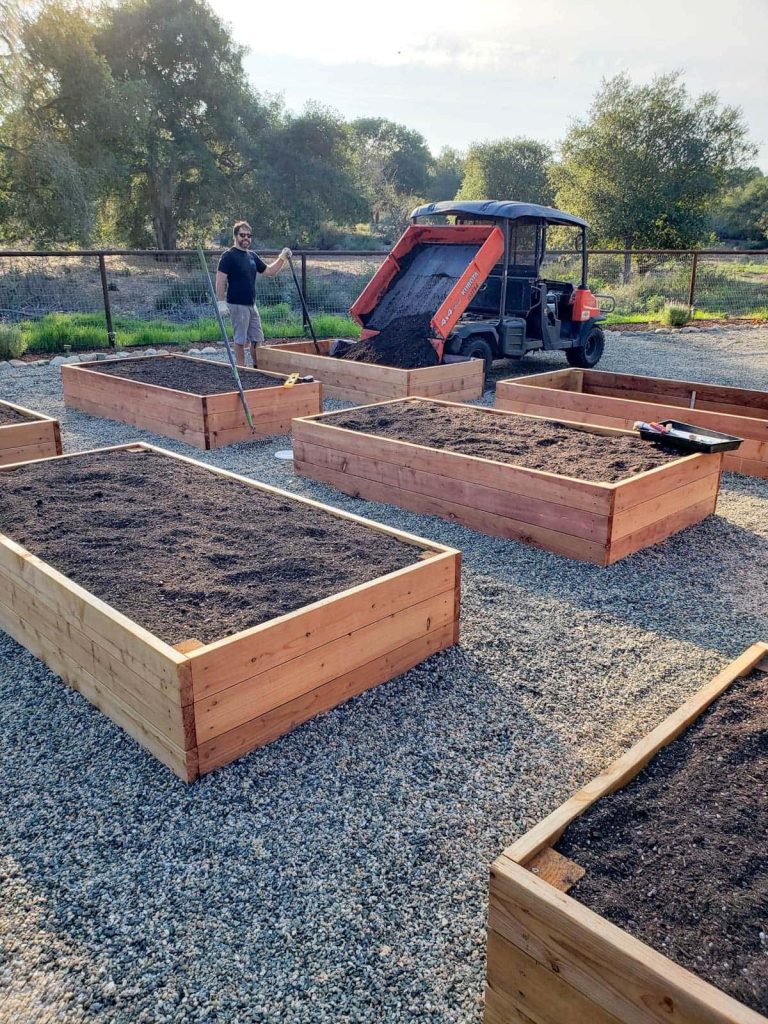
One of the primary steps in preparing soil for raised gardens is selecting the right soil mix. While pre-made garden soil blends are readily available, you may wish to create your own custom mix. A well-balanced soil mix typically consists of:
- Topsoil: Forms the base for nutrient and moisture retention.
- Compost: Adds organic matter and beneficial microorganisms, enhancing nutrient availability.
- Coconut coir or peat moss: Improves aeration and water retention, making it suitable for a wide range of plants.
- Perlite or vermiculite: Provides additional drainage and prevents soil compactness.
This combination results in a rich, loamy soil that supports optimal plant growth. It’s important to ensure that your raised beds are filled to a level that encourages healthy root development while also allowing for adequate drainage.
2. Incorporating Organic Matter
Organic matter is a game-changer when it comes to enhancing soil fertility. As it decomposes, organic matter breaks down into humus, which retains moisture and nurtures beneficial bacteria essential for plant health. Engaging in organic soil amendment practices not only enriches your soil but also guides you toward sustainable gardening practices.
To increase your soil’s organic matter content, consider adding the following:
- Well-rotted manure: Packed with nutrients and improves soil structure.
- Leaf mold: Made from decomposed leaves, it promotes soil aeration and moisture retention.
- Green manure crops: These are cover crops that can be tilled into the soil to boost nitrogen levels and organic matter content.
Regularly incorporating these organic materials prevents soil degradation and ensures nutrients are readily available for your plants throughout the growing season.
3. Soil Aeration Techniques
Soil compaction can inhibit the growth of roots and restrict water and nutrient uptake. For raised gardens, employing soil aeration techniques can significantly improve root access. Simple methods include:
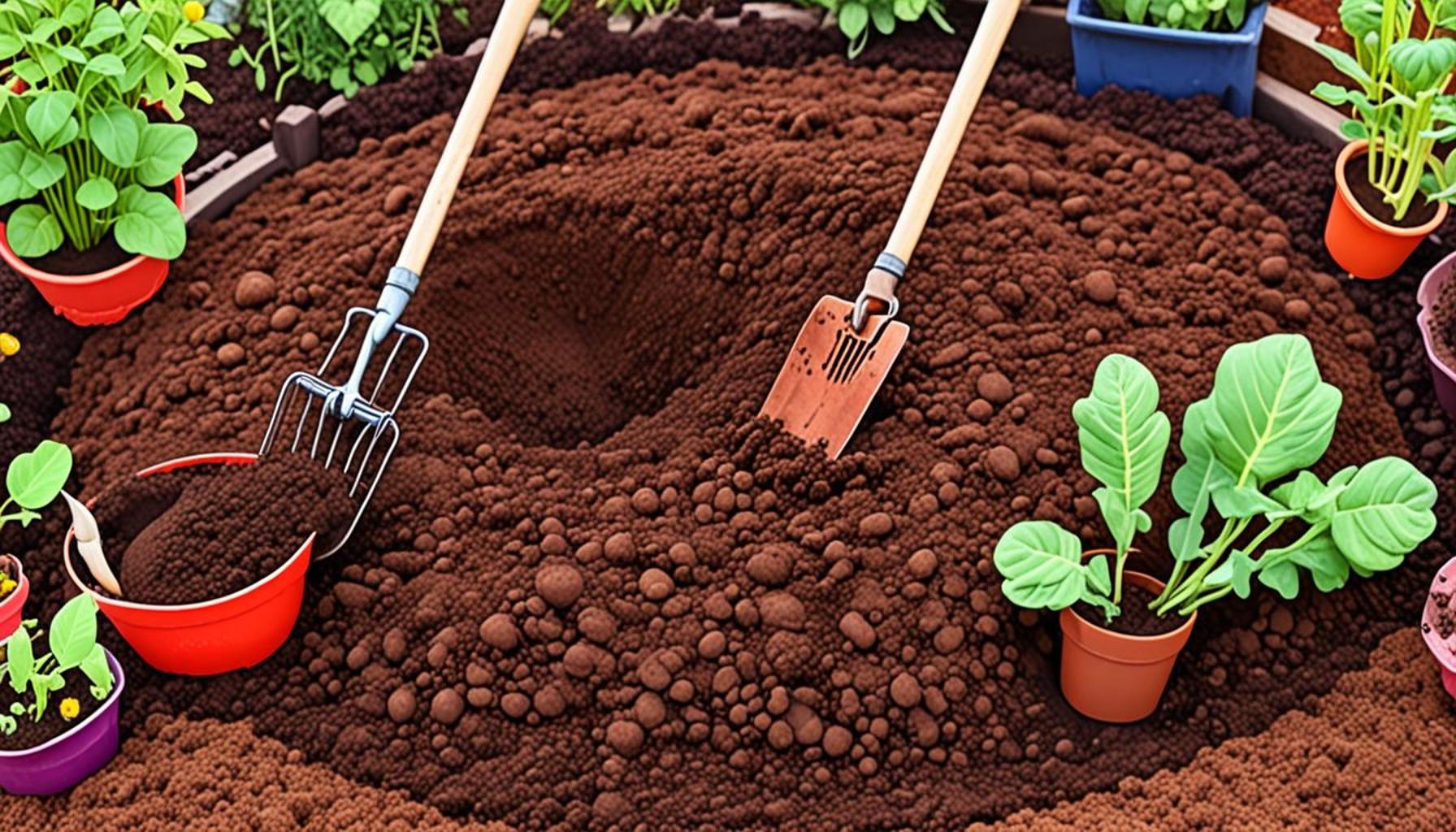
- Using a garden fork: Spiking the soil with a garden fork or broadfork aids in loosening compacted soil.
- Tilling: Lightly tilling the soil during initial preparation breaks up dense layers and facilitates better input of air and nutrients.
- Adding mulch: A layer of mulch can help retain soil moisture while preventing compaction by reducing heavy rainfall impact.
Adopting these practices establishes a welcoming environment for roots, ultimately supporting flourishing and vibrant plants. Understanding and utilizing soil preparation methods will not only set you on the right path but will also reward you with a garden bursting with life.
| Soil Type | Advantages |
|---|---|
| Sandy Soil | Excellent drainage and allows for quick warming in the spring, making it ideal for crops that can be planted early. |
| Clay Soil | Rich in nutrients but hard to manage; mixing with organic matter improves its texture for raised beds. |
| Loamy Soil | Ideal balance of sand, silt, and clay; provides excellent drainage while retaining moisture and nutrients. |
| Compost-enriched Soil | Boosts soil fertility and microbial life; essential for a thriving raised garden ecosystem. |
Understanding the types of soil you are working with is pivotal in the journey of creating a successful raised garden. Each category brings its own sets of strengths and drawbacks, which play significant roles in the growth and development of plants. By selecting the appropriate soil type or enhancing existing soil with amendments, beginners can create a thriving environment for their plants. Factor in local climate and plant choices to optimize yields and ensure a bountiful harvest. Diving deeper into soil preparation can reveal countless techniques to customize your gardens beyond mere selection: tests, amendments, and layering methods all offer unique opportunities to perfect your raised planting space.
DIVE DEEPER: Click here for expert tips on choosing the perfect indoor plants
Advanced Soil Preparation Techniques
Taking your raised garden’s soil preparation to the next level means delving into advanced techniques that will enhance the soil structure and nutrient profile even further. Knowledge of these methods will not only bolster your gardening success but will also nurture a thriving ecosystem right beneath your plants. Here are several strategies that beginners can incorporate into their practices:
4. Testing Your Soil
Before making any amendments, it’s crucial to understand the existing conditions of your soil. Conducting a soil test can provide valuable insights into nutrient levels, pH balance, and mineral content. Many local extensions or gardening centers in the United States offer affordable home testing kits or services. Testing your soil can help you identify specific deficiencies or toxicities, which allows for tailored adjustments rather than broad, imprecise amendments.
- Nutrient Analysis: A soil test typically reveals levels of nitrogen, phosphorus, potassium, calcium, and magnesium, helping you decide what organic fertilizers or amendments to add.
- pH Levels: The ideal range for vegetable gardens is between 6.0 and 7.5. If your soil is too acidic (low pH), you might want to sprinkle lime, while sulfur can be added to raise acidity in alkaline soils.
5. Utilizing Raised Bed Companion Planting
Understanding the relationships between different plants can also enhance soil health and productivity. Companion planting involves growing certain plants together to deter pests, improve growth, and enhance nutrient uptake. For example, planting basil near tomatoes is known to enhance flavor and repel harmful insects. This method not only benefits your plants but optimally uses soil nutrients and space in your raised beds.
Here are some beneficial companion planting pairings:
- Marigolds: Planting these flowers alongside vegetables can deter nematodes and other pests.
- Beans: They can naturally fix nitrogen levels in the soil, benefiting neighboring plants.
- Chives: Excellent for improving the growth and flavor of carrots and other vegetables.
6. Incorporating Cover Crops
During off-seasons, consider planting cover crops in your raised beds. These crops play a significant role in maintaining and improving soil health. Cover crops, often referred to as green manures, are grown not for harvest but to enrich the soil. They can reduce erosion, suppress weeds, and prevent nutrient leaching during rainy periods.
- Legumes: Like clover or vetch, they can fix nitrogen in the soil, enriching the nutrient content for your future crops.
- Rye or Oats: These can add organic matter, improve soil structure, and enhance moisture retention when turned into the soil.
Incorporating cover crops into your growing regimen is a sustainable practice that pays dividends in healthier soil and higher yields over time. As you become more familiar with these advanced soil preparation techniques, you’ll be well on your way to creating a flourishing environment for your raised garden.
DISCOVER MORE: Click here for expert tips on harvesting herbs
Conclusion
In summary, soil preparation methods for raised gardens are crucial for setting up a productive and healthy growing environment. By understanding the basic principles of soil composition and the importance of organic matter, beginners can create a foundation that supports strong plant growth. Techniques such as composting, using quality soil mixes, and incorporating natural amendments will lead to a nutrient-rich ecosystem that fosters resilience in your garden.
The importance of soil testing cannot be overstated; it serves as a guiding tool to help you tailor your soil amendments effectively, enhancing the overall health of your plants. Additionally, exploring advanced methods like companion planting and cover crops offers further opportunities to optimize soil health, providing both aesthetic and functional benefits to your garden. This understanding encourages a vibrant biodiversity, ensuring that your raised beds flourish.
As you embark on your gardening journey, remember that each raised bed is unique, much like the gardener behind it. Experiment with different combinations of soil preparation techniques, learn from your experiences, and adapt your practices as you grow. With patience and a hands-on approach, you’ll soon see the tangible rewards of your efforts—an abundant and thriving raised garden that not only sustains your family but also enriches your gardening knowledge. Embrace the learning process, and enjoy the fruitful adventure that gardening offers!